The Importance of Physical Space: Creating a Simple and Inspiring Living Environment
Understanding the Impact of Physical Space
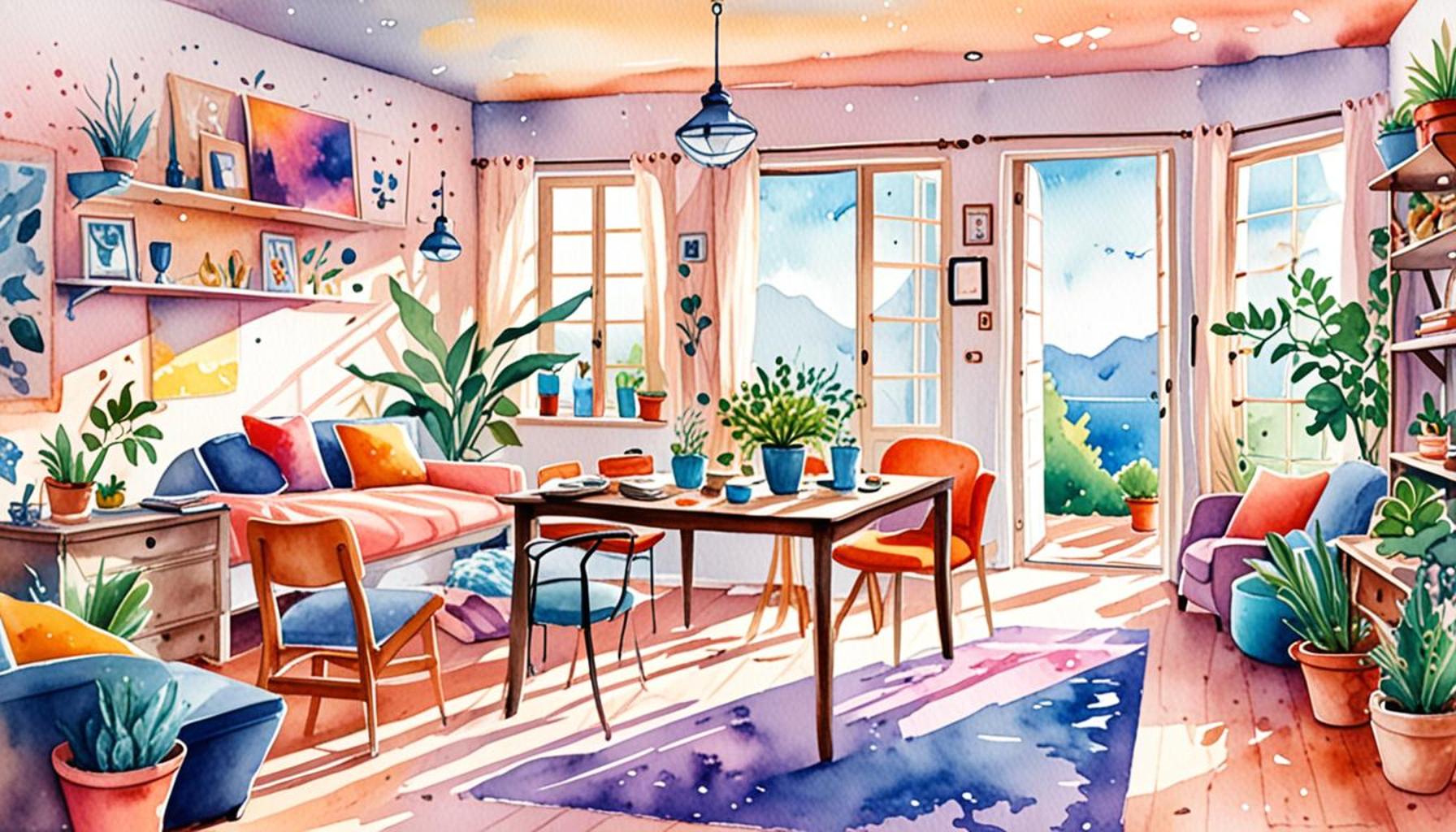
Have you ever considered how your living environment impacts your mood and productivity? Physical space plays a vital role in shaping our daily experiences. A well-organized and inspiring space can elevate your creativity, boost your energy, and promote overall well-being. With the complexities of life, especially in Nigeria’s bustling cities, understanding the nuances of your living environment is more vital than ever.
Key Aspects of a Functional Living Environment
Creating a simple and inspiring living environment involves several factors that contribute to a harmonious atmosphere. Here are some crucial elements to consider:
- Decluttering: A cluttered space often leads to a cluttered mind. By removing unnecessary items, you can clear both your physical space and mental pathways. For instance, when a small living area is meticulously organized, it transforms from a chaotic environment into a peaceful retreat that allows for better focus and concentration.
- Natural Light: Maximizing sunlight in your home is not merely about aesthetics; it directly impacts your psychological state. Studies indicate that exposure to natural light can significantly improve mood and energy levels. In urban settings like Lagos or Abuja, consider using sheer curtains to let sunlight pour in, creating a sense of openness and vitality.
- Color Schemes: Colors evoke emotions, and this is particularly relevant in your living space. Utilizing soothing colors such as blues and greens can create a serene atmosphere conducive to relaxation, while brighter colors, like yellows and oranges, can stimulate creativity. Painting a room in a calming pastel hue can make a difference in how you feel and function in that space.
In Nigeria, where urban living can often lead to cramped conditions, the importance of having a thoughtful living space is amplified. For instance, simple techniques such as utilizing multifunctional furniture or vertical storage can help maximize limited space while maintaining a sense of order. By simplifying and organizing your surroundings, you not only create a more inviting environment but also pave the way for personal growth.
The connection between your physical space and mental health is undeniable. Embracing minimalism involves more than just aesthetic choices; it is about fostering an environment that supports your lifestyle and aspirations. Crafting an inspiring atmosphere can allow individuals to thrive despite external challenges such as economic instability or urban congestion. Thus, reevaluating your living space is an essential step toward enhancing your quality of life and well-being.
RECOMMENDED: Check out this similar article
Designing Spaces for Mindfulness and Productivity
In a world where the pace of life accelerates daily, the significance of our physical environment becomes increasingly apparent. The way we choose to organize and design our living spaces can make all the difference in our mental clarity and emotional health. By embracing principles of mindfulness in our environments, we create spaces that are not only functional but also inspiring. This is particularly important in Nigeria, where urban areas are characterized by limited space and high demand for efficient living arrangements.
The Role of Personalization
Your living environment should resonate with who you are. Personal touches transform the house into a home, promoting a sense of belonging. Whether it’s displaying family photographs, creating a vision board, or incorporating local artwork, personalization allows you to feel grounded in your space. Furthermore, displaying items that tell your story serves as a daily motivation and reminder of your aspirations. Such contributions to your environment can naturally improve your mood and productivity, reinforcing the benefits of a tailored living space.
Functional Zones and Layouts
Creating defined areas within your living space can enhance functionality. By establishing distinct zones for activities such as working, relaxing, and socializing, you can minimize distractions and boost efficiency. Here are some tips to create functional zones:
- Designate Work Areas: If you work from home, a dedicated workspace can help delineate your professional and personal life. This could simply be a corner of your living room, equipped with a sturdy desk and good lighting.
- Use Multi-Purpose Furniture: In a limited space, consider furniture that serves multiple functions. For example, a sofa bed can accommodate guests without requiring additional room, while nesting tables can provide flexible surfaces without permanent footprint.
- Incorporate Nature: Bringing nature indoors through plants adds vibrancy and freshness, which can significantly uplift your mood. Additionally, plants serve as natural air purifiers, promoting respiratory health and cognitive function.
By strategically designing your living environment with functional zones and mindful personalization, you cultivate a space that encourages focus and well-being. The commitment to improving your living space not only enhances your quality of life but also reflects a broader understanding of the importance of physical space in shaping our emotional landscape. As the Nigerian proverb says, “A child who is not embraced by the village will burn it down to feel its warmth.” In the context of our homes, ensuring that we create welcoming, supportive spaces can help us all feel the warmth we seek in our lives. Experimenting with these elements can provide a pathway to discovering how your surroundings can amplify your aspirations and well-being.
| Category | Description |
|---|---|
| Natural Light | Incorporating natural light significantly enhances mood and productivity. |
| Open Spaces | Designing open spaces fosters creativity and reduces feelings of confinement. |
| Minimalism | Adopting minimalist design leads to lower stress levels and clearer thinking. |
| Biophilic Design | Incorporating biophilic elements connects occupants with nature, enhancing well-being. |
| Functional Layout | A carefully planned layout optimizes space for daily activities, making life easier. |
Exploring the concept of physical space reveals how essential it is to create an environment that fosters simplicity and inspiration. By utilizing elements such as natural light, inhabitants can experience a lift in their mood and increase their productivity levels. Intentional open spaces provide a canvas for creativity, reducing the negative impacts of confinement.Moreover, a minimalist approach facilitates a sense of calm and clarity, combating the chaos that often accompanies cluttered surroundings. Integrating biophilic design improves mental health by harnessing the positive effects of nature, which can be as simple as having indoor plants or maximizing views of the outdoors. Lastly, a functional layout streamlines everyday activities, enabling a more efficient living experience. Exploring these aspects further will provide deeper insights into crafting a life-enhancing living environment. Investing in this knowledge can radically transform your relationship with the physical spaces you inhabit, promoting well-being and inspiration.
SEE ALSO: Click here to read another article
The Impact of Color and Light on Mood
Color and light play pivotal roles in defining the atmosphere of any living environment. In Nigerian homes, where the interplay of natural light and vibrant hues is commonplace, understanding their impacts can foster a more invigorating atmosphere. Research has shown that certain colors can evoke specific emotional responses. For example, shades of blue are often associated with tranquility, making them excellent choices for bedrooms or relaxation spaces, while yellows and oranges can stimulate energy and creativity, perfect for a workspace or open living areas.
Harnessing Natural Light
Natural light is an essential component of a healthy living environment. In Nigeria, where sunlight is abundant, maximizing natural light can help create an uplifting atmosphere. Consider the following tips:
- Strategic Window Placement: Arrange furniture to take full advantage of sunlight streaming in. Positioning work desks near windows not only brightens up the space but also enhances productivity.
- Use Light Fabrics: Sheer curtains and light-colored furnishings can reflect sunlight, increasing your space’s brightness. Shades that allow filtered light can create a soft, inviting ambiance.
- Mirrors for Depth: Strategically placed mirrors can bounce light around a room, making it feel larger and more inviting. This technique is particularly beneficial in smaller homes, where space may be limited.
Creating a Harmonious Color Palette
A cohesive color palette can evoke feelings of calm and order. In essence, it’s not just about what colors are used, but how they work together. For example, the earthy tones commonly found in traditional Nigerian textiles can create a warm and inviting feel. Here are some guidelines for selecting a harmonious color scheme:
- Stick to Three Main Colors: Choose a primary color, a secondary color, and an accent color to create balance. This approach maintains visual interest without overwhelming the senses.
- Incorporate Local Culture: Including colors representative of Nigerian culture not only enlivens your space but also fosters a sense of identity and pride. Shades of green and gold can signal prosperity and vitality.
- Test Samples First: Before committing to paint, paint chips or small swatches on walls can help you see how light interacts with the color throughout the day.
When you understand the profound effects that color and light have on your mood and productivity, you can make more informed decisions about your living environment. By creating a space that welcomes natural light and uses a thoughtfully chosen color palette, you cultivate not only a visually pleasing environment but also one that nourishes your mental health and emotional well-being. In cities like Lagos and Abuja, where hustle and bustle may dominate daily life, ensuring that your home resonates with positivity and inspiration can act as a sanctuary amidst the chaos. It reminds us that our physical space is not merely a backdrop to our lives; it actively shapes our experiences and engagements with the world.
YOU MAY ALSO LIKE: Read read another article
Conclusion: Embracing the Power of Physical Space
In conclusion, the significance of creating a simple and inspiring living environment cannot be overstated. Our physical spaces serve as the foundation for our daily experiences, influencing everything from our mood to our productivity. By thoughtfully considering elements such as color, light, and layout, we can transform our homes into havens of tranquility and inspiration.
The importance of embracing natural light is particularly pronounced in Nigeria, where the vibrant sunlight can elevate our living spaces and enhance our well-being. Leveraging this natural resource, while carefully selecting a harmonious color palette that reflects local culture and personal aesthetics, can create environments that resonate deeply with both identity and peace.
Moreover, in a fast-paced world characterized by noise and chaos, ensuring that our homes are simple, organized, and filled with purposeful design can cultivate mental clarity and emotional resilience. As we refine our physical space, we can nurture not just our surroundings, but also our inner selves.
As you embark on the journey of redefining your living environment, remember that it is not merely about aesthetics but about creating a sanctuary that embodies comfort and inspiration. Let your space tell a story that elevates your spirit and aligns with your values, making each day a vibrant opportunity for growth and joy.
Ultimately, the choices we make in our physical spaces reflect our priorities and aspirations. They enable us to carve out a personal retreat that fuels our creativity, supports our mental well-being, and becomes a testament to who we are. So, take the time to reflect, redesign, and rejuvenate your living environment, for it is the backdrop against which your life unfolds.

Linda Carter
Linda Carter is a writer and organization expert specializing in minimalism and personal organization. With extensive experience helping individuals create clutter-free, functional spaces and adopt mindful habits, Linda shares her knowledge on our platform. Her goal is to empower readers with practical advice and strategies to simplify their lives, stay organized, and achieve a sense of calm and balance in their daily routines.