The Role of Economic Policies in the Stability of the American Labor Market
The Role of Economic Policies in Shaping the Labor Market
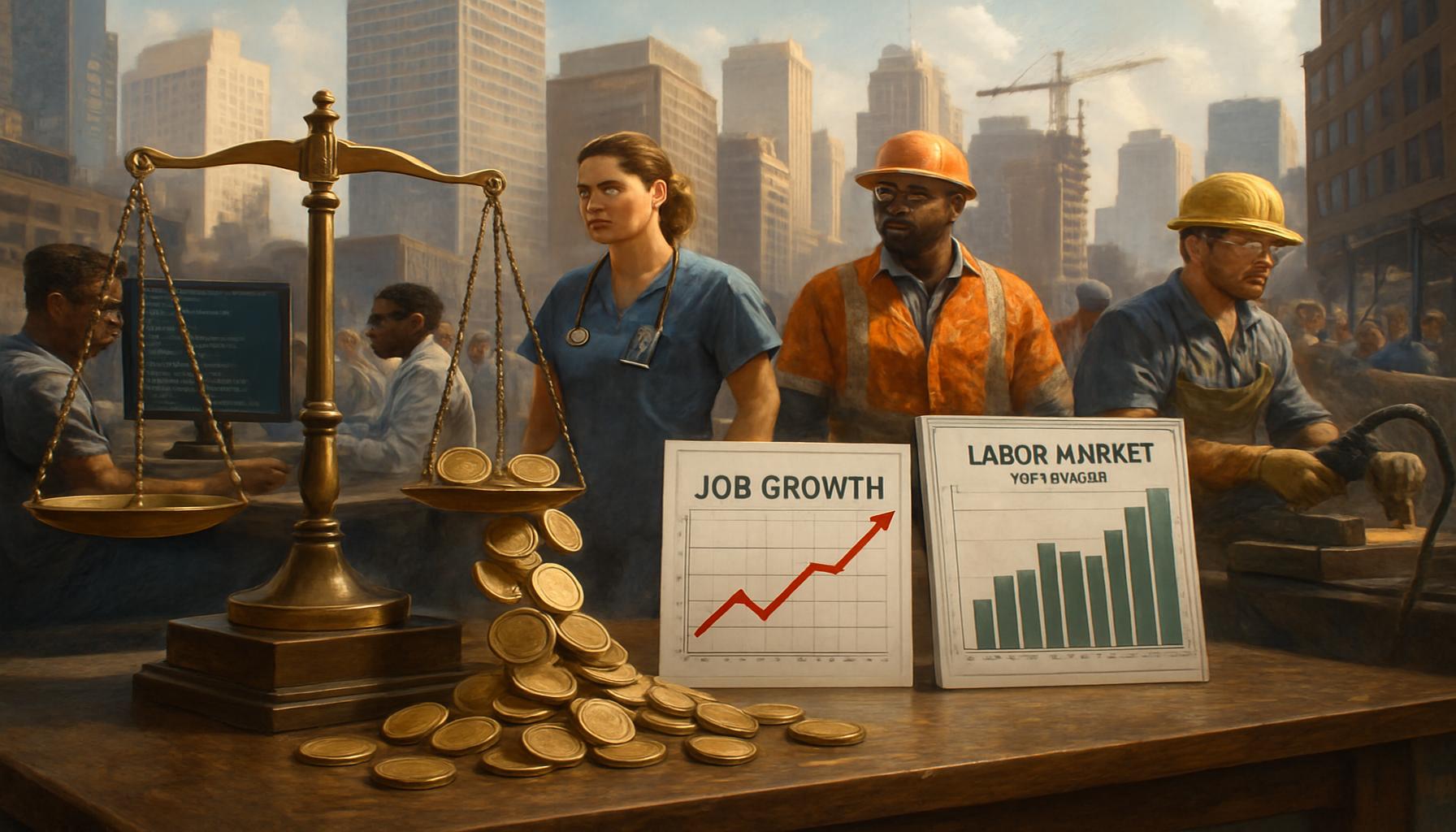
Economic policies serve as the backbone of the labor market, influencing not only the quantity of jobs available but also the quality and stability of those jobs. The interplay between various economic strategies can lead to significant outcomes for American workers and the overall economy. To truly appreciate the implications of these policies, it’s essential to delve deeper into how each one functions and its practical effects on everyday life.
Monetary Policy
Monetary policy is primarily managed by the Federal Reserve, which adjusts interest rates to control inflation and stabilize the economy. When interest rates are lowered, it becomes cheaper for businesses to borrow money. For instance, a small business may take out a loan to expand its operations or hire additional staff because the cost of borrowing is more manageable. As a result, lower interest rates can lead to increased employment opportunities. Conversely, raising interest rates can slow down borrowing, potentially leading to layoffs or hiring freezes as businesses tighten their budgets.
Fiscal Policy
Fiscal policy encompasses government spending and taxation, both of which have immediate and far-reaching effects on the economy. For example, during an economic downturn, increased government spending on infrastructure projects can create numerous jobs. The 2009 American Recovery and Reinvestment Act is a prime example, which aimed to stimulate the economy by providing funding for construction and public services, leading to job creation in various sectors. Additionally, tax cuts for middle and lower-income families can boost consumer spending, further stimulating job growth in retail and hospitality sectors.
Labor Laws
The establishment of labor laws plays a critical role in protecting workers’ rights and ensuring fair wages. Regulations like the federal minimum wage and overtime pay regulations help safeguard employees from exploitation. For example, an increase in the minimum wage can uplift many families above the poverty line, directly impacting their purchasing power and overall quality of life. However, it’s also important to recognize that some businesses argue that drastic increases in minimum wage could lead to higher unemployment rates, as they may be unable to afford additional labor costs.
Trade Policies
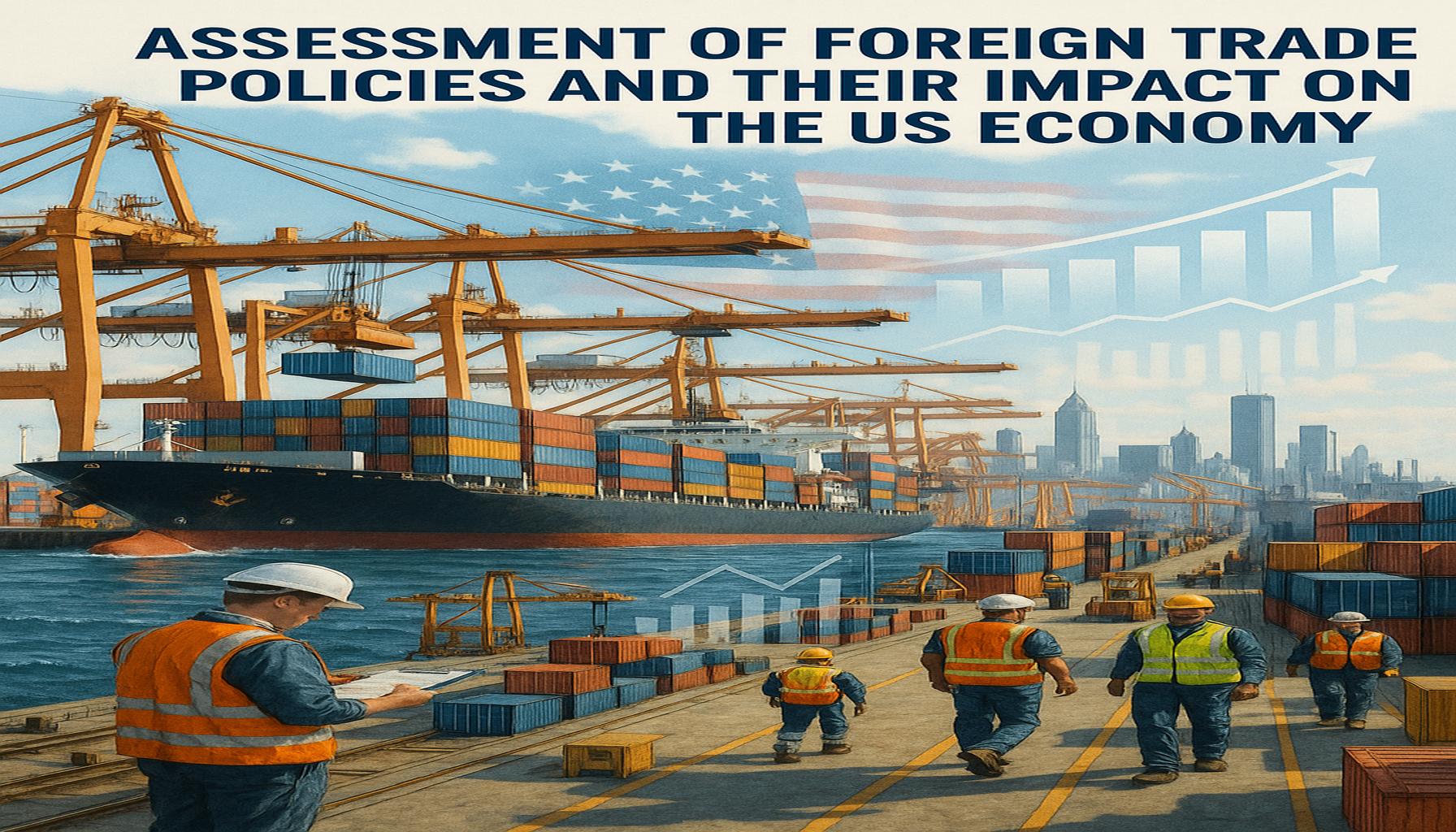
Trade policies, including tariffs and trade agreements, can significantly impact the labor market. When trade agreements are favorable, they can open new markets for American goods, which might lead to job creation in export-driven industries. However, unfavorable trade agreements or excessive tariffs can lead to job losses in sectors reliant on imports, as companies may offset costs by outsourcing jobs to lower-wage countries. The tension between protecting local jobs and encouraging international trade remains a crucial debate in economic policy-making.
In summary, the relationship between these economic policies creates a multifaceted environment for both employers and employees. By comprehensively understanding how monetary policy, fiscal policy, labor laws, and trade policies interact, individuals and policymakers can make well-informed decisions that promote a robust and thriving labor market. This understanding ultimately leads to a more resilient economy, benefitting all segments of society.
DISCOVER MORE: Click here to find out how to apply
Key Economic Policies Impacting Labor Market Stability
Understanding the stability of the American labor market requires a closer examination of the key economic policies at play. Each policy not only addresses specific economic challenges but also interacts with other strategies, affecting employment opportunities, job security, and overall worker wellbeing. Below, we explore the effects of various economic policies that are crucial in shaping a resilient labor market.
Regulatory Policies
Regulatory policies are essential in ensuring fair practices in the labor market. They encompass various regulations that enforce safe working conditions, protect workers’ rights, and require fair treatment and compensation. For instance, the Occupational Safety and Health Administration (OSHA) sets regulations that ensure workplaces are safe, which not only protects workers but also reduces absenteeism and increases productivity.
Additionally, regulations surrounding the gig economy arise from the need to protect increasingly vulnerable workers. As more individuals engage in freelancing or contract work, addressing their rights and benefits becomes crucial. When policies adapt to these changes, they contribute significantly to job stability and security.
Worker Training and Education Programs
Another pivotal area is the investment in worker training and education programs. Economic policies that support vocational training and higher education can produce a well-equipped workforce that meets the needs of evolving industries. For example:
- Apprenticeships provide hands-on experience in specific trades, enabling workers to gain relevant skills that are in demand.
- Community colleges often offer targeted programs that align with local job market needs, facilitating smoother transitions into stable employment.
- Government grants can help lower-income individuals access training and education that empower them to achieve economic mobility.
These investments not only enhance individual job prospects but also attract businesses seeking skilled labor, thereby stabilizing the job market overall.
Support for Small Businesses
Support for small businesses is another vital aspect of economic policies that directly influences labor market stability. Small businesses are significant employment generators in the U.S., often accounting for more than half of all private-sector jobs. Policies that ease the financial burden on small enterprises, such as tax incentives or reduced regulatory requirements, enable them to grow and hire more staff. For example, programs that offer low-interest loans or grants for small businesses during times of economic uncertainty can sustain employment levels and foster economic recovery.
In conclusion, by examining the impact of regulatory policies, worker training programs, and the support extended to small businesses, we can understand their roles in stabilizing the American labor market. These components work in concert to create a vibrant job landscape that not only aims for immediate employment gains but also addresses long-term worker security and economic health.
LEARN MORE: Click here
Government Intervention and Economic Support Programs
In addition to regulatory frameworks and workforce development initiatives, the concept of government intervention through economic support programs plays a crucial role in maintaining labor market stability. These programs are designed to buffer the impact of economic downturns and provide safety nets for workers, thereby enhancing job security and promoting recovery during challenging times.
Unemployment Insurance
Unemployment insurance (UI) is a vital aspect of the safety net that protects workers who find themselves laid off due to no fault of their own. This program provides temporary financial support that allows individuals to meet their basic needs while they search for new jobs. The design of UI programs varies from state to state, but a robust unemployment insurance system helps to stabilize local economies by maintaining consumer spending during periods of unemployment. For instance, states that enhance their UI benefits during economic crises can facilitate quicker recovery, as individuals have the means to remain afloat while seeking new employment opportunities.
Stimulus Packages
Another example of effective government intervention is the deployment of stimulus packages during economic shocks. These packages often include direct payments to citizens, expanded unemployment benefits, and funding for various sectors that stimulate job creation. The COVID-19 pandemic highlighted the importance of quick-response fiscal policies, as various stimulus measures were instrumental in providing aid to both individuals and businesses suffering from severe disruptions. For example, the Paycheck Protection Program (PPP) was crucial in preventing mass layoffs by offering forgivable loans to small businesses that kept employees on their payrolls, thereby sustaining jobs during the crisis.
Investment in Infrastructure
Moreover, public investment in infrastructure can significantly impact the labor market by promoting job creation in construction and related fields. Government-funded projects stimulate employment opportunities and uplift the economy by providing workers with essential skills and experience. When policymakers focus on infrastructure development, such as highways, bridges, and public transit systems, they create jobs not just for construction workers but also for engineers, architects, and numerous support roles in supply chains. For example, the American Recovery and Reinvestment Act of 2009 allocated funds for infrastructure improvement, generating thousands of jobs and fostering economic growth during the Great Recession.
Social Safety Nets
Beyond direct economic support, the implementation of strong social safety nets also contributes to labor market stability. Programs that offer healthcare, childcare, and housing assistance can alleviate the burdens that workers face, allowing them to focus on their jobs without the distraction of potential crises in their personal lives. When workers have access to healthcare benefits, for example, they are less likely to miss work due to health issues, thus promoting a more stable workforce. Furthermore, childcare support enables parents to remain employed, knowing their children are safe and cared for, which leads to higher levels of job retention and satisfaction.
By examining the impact of government intervention, including unemployment insurance, stimulus packages, investments in infrastructure, and the provision of social safety nets, it is evident that these economic policies are integral in fostering a stable American labor market. These measures not only provide immediate relief during periods of crisis but also contribute to the long-term resilience of the workforce, ensuring that workers can thrive even amid economic fluctuations.
DIVE DEEPER: Click here to learn how to apply
Conclusion
In summary, the relationship between economic policies and the stability of the American labor market is both significant and multifaceted. Through a combination of effective government intervention, including unemployment insurance, stimulus packages, and infrastructure investments, policymakers can create a labor environment that not only minimizes the adverse effects of economic downturns but also promotes sustained growth and resilience. These strategies serve to protect workers and stimulate consumer spending, which is vital for recovery and economic health.
Moreover, the establishment of social safety nets plays a crucial role in ensuring that workers are not only able to cope during economic hardships but also remain productive members of the workforce. By addressing fundamental issues such as health care and childcare, these policies empower individuals to focus on their careers without the overwhelming worry of personal crises.
Going forward, it is essential for policymakers to continue refining and adapting these economic policies to meet the evolving challenges of the labor market. As we have witnessed, the capacity of such interventions to stabilize and enhance employment levels can lead to a more robust economy overall. The lessons learned, especially in response to recent crises, underscore the importance of a proactive approach in crafting policies that are responsive to both immediate needs and long-term goals. Ultimately, a strong labor market is foundational to not just individual prosperity but also national economic strength, making it imperative that we maintain a dedicated focus on effective economic policy implementation.

Linda Carter
Linda Carter is a writer and expert known for producing clear, engaging, and easy-to-understand content. With solid experience guiding people in achieving their goals, she shares valuable insights and practical guidance. Her mission is to support readers in making informed choices and achieving significant progress.