The Impact of Economic Policies on Post-Pandemic Recovery in the USA
Understanding Key Economic Policies in the Wake of COVID-19
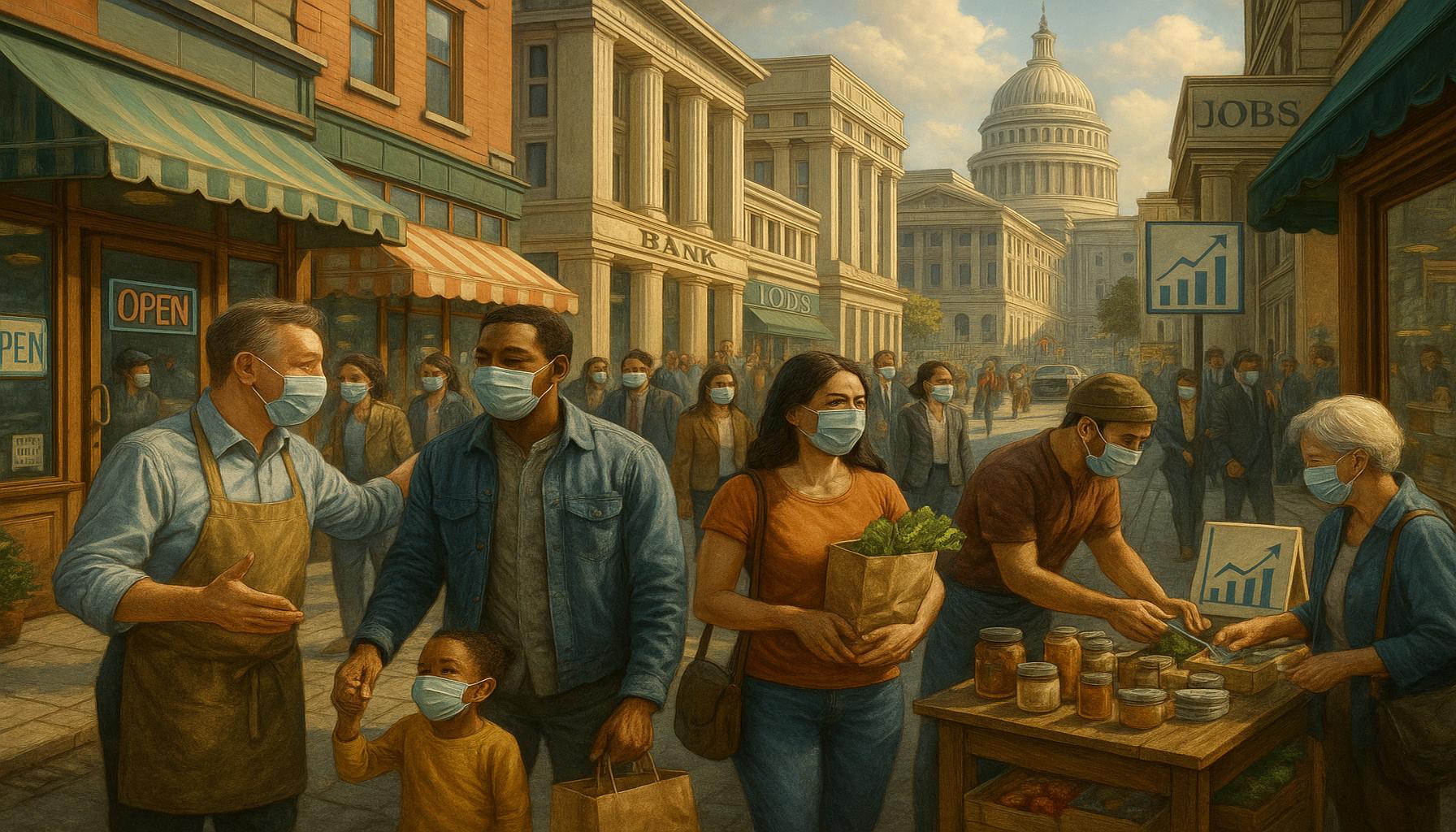
The COVID-19 pandemic unleashed a wave of disruptions that profoundly affected the global economy, with the United States particularly hard hit. In response to this unprecedented crisis, policymakers have rolled out a series of economic policies aimed at revitalizing the economy and facilitating recovery. A comprehensive understanding of these measures is vital for recognizing how the nation can rebound and thrive in the aftermath of the pandemic.
Among the most significant policies enacted to stimulate recovery are:
- Fiscal Stimulus: The government introduced direct payments to American citizens, often referred to as “stimulus checks,” which provided individuals and families with much-needed financial support. For example, many families received $1,200 checks in 2020, and this was followed by subsequent payments in early 2021. Additionally, enhanced unemployment benefits were provided to support those who lost jobs due to pandemic-related shutdowns. The Child Tax Credit was also expanded, allowing families to receive up to $3,600 per child, effectively putting more money in the pockets of parents and stimulating consumer spending.
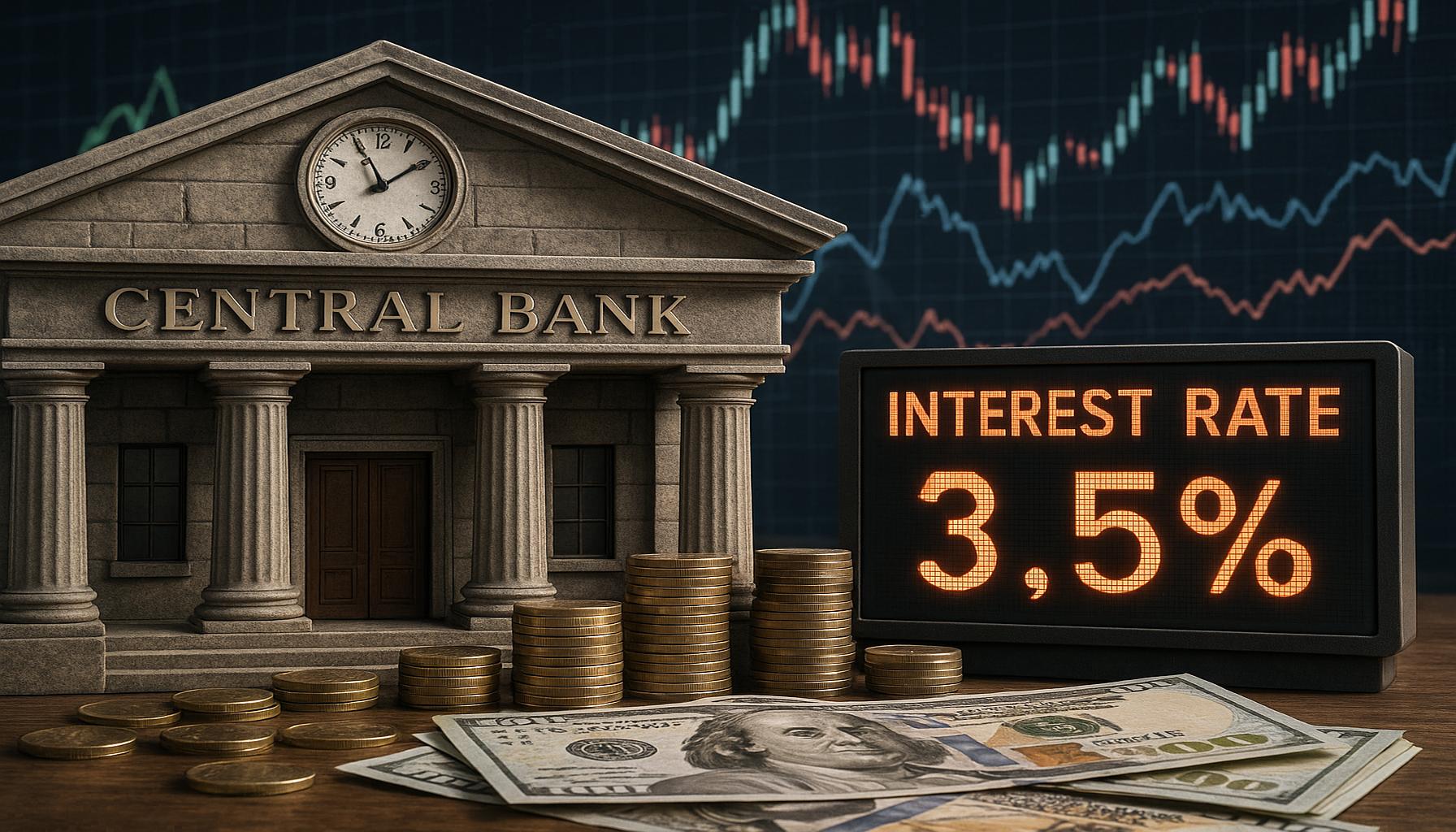
- Monetary Policy: The Federal Reserve took decisive action to stabilize the economy by lowering interest rates to near zero and initiating large-scale asset purchases. These measures made borrowing cheaper for consumers and businesses, subsequently encouraging spending and investment. For instance, home mortgage rates fell significantly, which spurred a surge in home buying and refinancing, contributing to a recovery in the housing market.
- Infrastructure Investment: Recognizing the need for long-term economic growth, the federal government has launched initiatives to invest in infrastructure projects across the country. This includes critical improvements to transportation networks, bridges, and expanding broadband access, particularly in rural areas. Such investments are designed not only to create immediate jobs—boosting industries like construction and technology—but also to enhance competitiveness and quality of life for future generations.
These strategies are vital in addressing not only the immediate recovery but also addressing long-standing issues like income inequality and access to healthcare. For instance, the gap between low-income and high-income households has widened, and these policies strive to create a more level playing field.
As the country moves forward, it is crucial to consider how these policies will affect different sectors and demographics. Small businesses, urban and rural communities, and marginalized groups each face unique challenges and opportunities in the recovery process.
The ongoing challenge is to ensure that recovery is equitable and sustainable. Policymakers must strike a balance between swift economic recovery and long-term strategic planning, all while being responsive to the needs of all Americans. Only through careful evaluation and inclusive practices can the nation hope to emerge from this crisis stronger and more resilient.
DIVE DEEPER: Click here to learn how to apply
Evaluating the Effects of Fiscal Stimulus
One of the most immediate and impactful economic policies implemented during the pandemic was the fiscal stimulus. This approach involved direct cash payments and enhanced unemployment benefits, crucially designed to alleviate the financial struggles faced by millions of Americans. By injecting liquidity directly into households, the government aimed to maintain consumer spending—a vital component of the U.S. economy.
For instance, the initial round of stimulus checks, which provided $1,200 to eligible individuals, was a direct response to the economic paralysis caused by widespread lockdowns. These checks, along with expanded unemployment benefits, significantly uplifted disposable incomes at a time when many faced job loss or reduced work hours. The resulting increase in consumer spending helped to stimulate demand for goods and services, which in turn supported businesses at risk of closing due to the downturn.
However, it is essential to consider how different demographics experienced this assistance. The low-income population, who often have less financial security, benefited the most from these payouts since they typically spend a higher proportion of their income on essentials. A study showed that many recipients used their stimulus checks for necessary bills rather than luxury purchases, demonstrating a focus on survival rather than discretionary spending. That said, others with more secure financial situations chose to save or invest their stimulus funds, which contributed to the recovery in areas like the stock market.
The Role of Monetary Policy
In tandem with fiscal stimulus, the Federal Reserve’s monetary policy also played a critical role in fostering an environment conducive to recovery. By slashing interest rates to near zero, the Fed aimed to encourage borrowing and investing, which is key to economic growth. Lower interest rates make it cheaper to take out loans, benefiting consumers looking to buy homes or businesses seeking to invest in expansion efforts.
One practical illustration of this includes the dramatic fall in mortgage rates during this period. The average interest rate for a 30-year fixed mortgage dropped significantly, prompting an uptick in home buying and refinancing activities. Many Americans took advantage of these favorable rates, which fueled not only the housing market but also surrounding sectors such as construction and home improvement.
- Increased home sales and price appreciation: As demand surged, home prices climbed, contributing to an improved economic outlook for homeowners who benefited from rising equity.
- Sustained business lending: Access to affordable credit allowed many small businesses to weather the storm, keeping jobs intact and facilitating growth opportunities once the economy began to rebound.
The emphasis on making capital more accessible through monetary policy underscores the importance of creating a conducive environment for investment, ultimately leading to job creation and enhanced economic activity. Consequently, as we evaluate the overall recovery process, it is essential to analyze how these fiscal and monetary strategies across different demographics and sectors will shape a sustainable economic future for the nation.
DISCOVER MORE: Click here for detailed application tips
The Importance of Targeted Economic Assistance
While broad fiscal stimulus measures were crucial during the immediate impacts of the pandemic, the long-term recovery involves targeted economic assistance to boost specific sectors and demographics that were disproportionately affected. This includes sectors such as travel, hospitality, and retail, which faced unprecedented challenges due to social distancing measures and shifting consumer preferences.
A prime example of such assistance is the provision of funds through the Paycheck Protection Program (PPP), designed to help small businesses retain employees and remain operational. This program enabled many businesses to receive federally guaranteed loans that were forgivable if they maintained employee payrolls. By supporting small enterprises, which account for a significant percentage of employment in the U.S., the PPP played a vital role in preserving jobs during a period of extreme uncertainty.
- Preserving essential industries: Many restaurants and local shops benefited from these funds, allowing them to pivot their business models, implement COVID-19 safety measures, and adapt to the surge in online sales. By keeping these businesses afloat, the program helped stabilize the local economies reliant on them.
- Simultaneous community support: As a result of these programs, communities witnessed not only the continuation of essential services but also efforts to create new jobs as businesses adapted to a new normal, showing resilience in the face of adversity.
Furthermore, beyond small businesses, the provision of targeted assistance to vulnerable populations is essential for equitable recovery. Programs aimed at providing aid to low-income families, food assistance, or housing assistance help address the disparities exacerbated by the pandemic. For instance, the expansion of programs like the Supplemental Nutrition Assistance Program (SNAP) ensured that food insecurity remained a manageable issue for millions during tough economic times.
This assistance has not only been crucial in addressing immediate needs but also in fostering long-term economic stability. Prioritizing access to essential services, healthcare, and educational support helps break the cycle of poverty, paving the way for upward mobility for the most disadvantaged households. In doing so, these targeted economic policies aim to create a more balanced and inclusive recovery.
Infrastructure Investment as a Catalyst for Growth
In addition to fiscal and targeted economic measures, discussions surrounding comprehensive infrastructure investment are pivotal for sustained recovery. The Biden administration’s ambitious infrastructure plan aims to modernize roads, bridges, broadband, and public transit systems. Investing in infrastructure not only provides immediate job opportunities in construction and related sectors but also enhances overall economic efficiency in the long run.
- Job creation: Infrastructure projects typically yield a multiplier effect, meaning that for every job created in construction, additional jobs can be generated in various sectors such as manufacturing, transport, and services.
- Improved efficiency: Modernized infrastructure can enhance productivity, facilitating the movement of goods and people, which will help to drive economic growth and maintain competitive advantages internationally.
Moreover, infrastructure investment has the potential to address climate change, as projects aimed at sustainability—like green energy facilities or improved public transport—are incorporated into these plans. This dual focus provides a future-oriented approach that aligns economic growth with environmental responsibility.
By targeting assistance, investing in infrastructure, and maintaining an inclusive economic framework, the policies implemented during the post-pandemic recovery are not merely about returning to pre-pandemic norms. Instead, they are about building a better and more resilient economy for all Americans moving forward.
DISCOVER MORE: Click here to unlock exclusive insights
Conclusion
The road to recovery from the COVID-19 pandemic is paved with the careful implementation of economic policies that prioritize both immediate relief and long-term growth. As we have seen, targeted assistance programs are pivotal in addressing the unique challenges faced by vulnerable populations and essential industries. By offering support, such as the Paycheck Protection Program, we not only protect jobs but also empower small businesses to innovate and adapt, which is critical in rebuilding the fabric of our local economies.
Moreover, investing in infrastructure serves as a catalyst for economic rejuvenation, creating jobs and fostering a more efficient economy while also tackling pressing issues like climate change. The potential of infrastructure improvements to generate a multiplier effect cannot be understated; the jobs created through these investments extend well beyond construction to encompass a broad range of industries. Such a comprehensive approach is essential to ensure that recovery efforts are not just reactive but offer sustainable growth opportunities for all Americans.
Ultimately, the impact of economic policies during this recovery phase is not solely measured by immediate economic indicators but by the resilience they instill in communities and industries for the future. By fostering inclusivity, sustainability, and targeted support, we can build an economy that not only rebounds but thrives—providing better opportunities for all citizens and reducing disparities that were exacerbated during the pandemic. The vision we hold for economic recovery today can shape a prosperous tomorrow if we remain committed to these principles.

Linda Carter
Linda Carter is a writer and expert known for producing clear, engaging, and easy-to-understand content. With solid experience guiding people in achieving their goals, she shares valuable insights and practical guidance. Her mission is to support readers in making informed choices and achieving significant progress.