Analysis of Consumption Trends and Their Influences on Market Dynamics
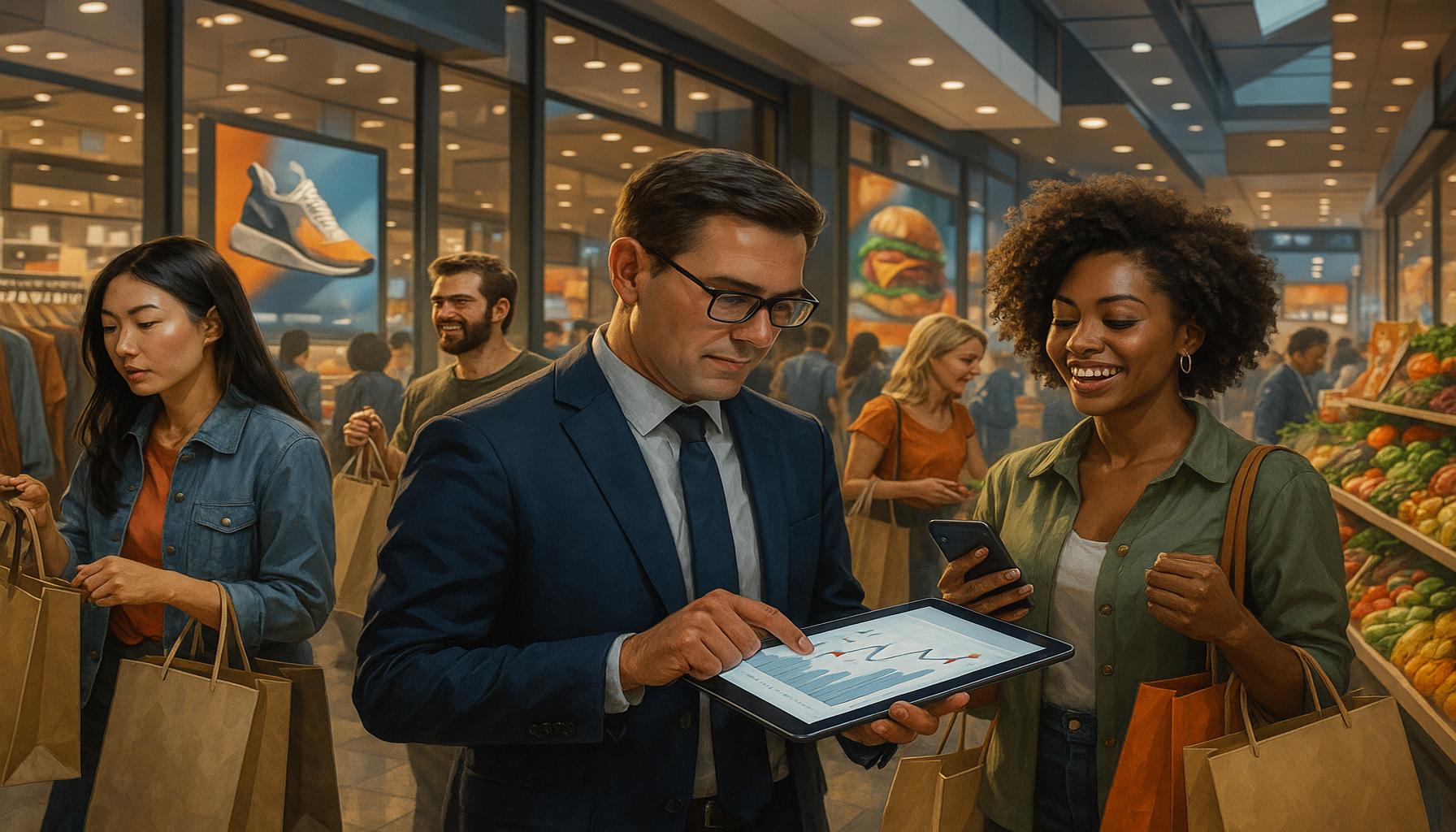
Understanding Key Factors Influencing Consumption Trends
Understanding consumption trends is essential for grasping how markets function. These trends reflect the behaviors and preferences of consumers, which can significantly influence economic dynamics. Many elements contribute to reshaping consumption patterns, with notable impacts observed in the last decade.
Technological advancements have played a fundamental role in altering the shopping landscape. For example, the rise of e-commerce platforms like Amazon or eBay has made shopping more convenient than ever. Consumers can browse millions of products just a few clicks away. Additionally, mobile applications and shopping carts enable purchases directly from smartphones, granting users the flexibility to shop anytime, anywhere. This transformation exemplifies how technology not only enhances convenience but also broadens access to diverse products and services.
Moreover, social influences are increasingly pivotal in driving consumer behavior. Social media platforms like Instagram and TikTok can create viral trends, leading consumers to seek out popular items, from fashion apparel to the latest tech gadgets. For instance, when an influencer showcases a product, it often leads to a spike in sales as followers strive to emulate their style. This phenomenon of social proof highlights how interconnected our purchasing decisions have become in the digital age.
Economic conditions also play a critical role in consumption patterns. As income levels fluctuate, consumer spending habits adapt accordingly. During economic booms, consumers are more likely to spend on luxury items, vacations, and high-end services. Conversely, during recessions, spending on essentials increases, while luxuries take a backseat. The COVID-19 pandemic served as a prime example of this, as many consumers tightened their budgets, leading to increased demand for home essentials and cost-effective alternatives.
Furthermore, the pandemic has notably resulted in the following changes:
- An increase in online shopping: With physical stores closed or limited in capacity, countless consumers turned to online shopping, discovering the convenience of home delivery services for everything from groceries to electronics.
- Health-conscious choices: There was a significant surge in demand for organic, locally-sourced, and wellness products, as health became a priority for many during this uncertain time.
By examining these trends, we gain valuable insights not only into consumer behavior but also into the broader market dynamics at play. Understanding these developments helps businesses refine their strategies, ensuring they remain relevant and appealing to their target audiences during challenges and shifts in the market. This knowledge is crucial for businesses looking to adapt and thrive in a continuously evolving environment, emphasizing the importance of staying attuned to the ever-changing landscape of consumer preferences.
DISCOVER MORE: Click here for details
Shifts in Consumer Preferences as Key Indicators
One of the most striking aspects of consumption trends is the constant evolution of consumer preferences. As society changes, so too do the tastes and choices of consumers. An example of this transformation can be observed in the growing preference for sustainable and eco-friendly products. Many consumers are increasingly aware of their environmental impact, leading to a surge in the demand for products that promote sustainability, such as biodegradable packaging or ethically sourced materials. Businesses are responding to this shift by adapting their supply chains and marketing strategies to align with consumer values.
Demographic changes also contribute to shifting consumption trends. For instance, Millennials and Generation Z are known for placing a higher value on experiences rather than material possessions. This trend is evident in the rising popularity of travel, dining, and entertainment services over traditional luxury goods. Companies are taking note and investing in experiential marketing to cater to these generations, creating memorable moments that resonate with their lifestyle choices.
Additionally, cultural factors and societal trends play significant roles in shaping consumption patterns. The increasing acceptance and demand for diversity and inclusivity have influenced brands to reflect these values in their product offerings and advertising. For example, beauty brands are expanding their ranges to cater to a wider array of skin tones, while technology companies are focusing on accessibility features to ensure that their products are usable by everyone, including people with disabilities.
To better understand these shifts, it is useful to consider several key areas where consumer preferences are evolving:
- Health and Wellness: Among consumers, there is a growing priority on health, with more opting for products that promote well-being. This includes not only organic food but also mental fitness apps and fitness equipment.
- Convenience: Busy lifestyles are catalyzing a demand for convenience-driven products and services. This can be seen in the rise of meal kit services and delivery platforms, which allow consumers to save time while maintaining a commitment to health and variety in their diets.
- Personalization: Consumers increasingly expect tailored experiences. As a result, brands that leverage data to offer personalized recommendations or products are seeing higher engagement levels and customer loyalty.
Each of these areas illustrates how evolving consumer preferences shape market landscapes. Businesses must remain agile and responsive to these changes, engaging with their consumers to foster loyalty and meet their needs effectively. Understanding these dynamics helps companies leverage opportunities in the market while navigating potential challenges stemming from changing consumer behavior. The ability to adapt to these consumption trends is essential in ensuring long-term success and relevance in a competitive marketplace.
DISCOVER MORE: Click here for details on applying
The Role of Technology in Shaping Consumption Trends
As we delve deeper into the analysis of consumption trends, it becomes evident that technology is a significant driving force behind many of these shifts. The rapid advancement of technology has not only altered how consumers interact with brands but has also transformed the shopping experience itself. E-commerce platforms have gained unprecedented popularity, allowing consumers to purchase goods and services from the comfort of their homes, supported by a seamless user experience and quick delivery options.
Additionally, the rise of mobile apps is making shopping more accessible than ever. Consumers now carry marketplaces in their pockets, leading to impulsive purchasing behaviors and the expectation of instant gratification. For instance, social media platforms like Instagram and TikTok have evolved into powerful retail channels, where influencers showcase products directly to their followers. This has created new avenues for brands to connect with younger audiences, effectively merging content creation with commerce.
Data Analytics and Consumer Insights
The application of data analytics in understanding consumer behavior cannot be overstated. Businesses today have access to an abundance of data that, when analyzed, can reveal invaluable insights into purchasing patterns and preferences. For example, subscription-based services often leverage consumer data to tailor recommendations to individual users, thereby enhancing customer satisfaction and retention. Retailers, utilizing customer relationship management (CRM) systems, can forecast demands with greater precision, allowing them to optimize inventory levels and maximize sales opportunities.
Moreover, personalized marketing strategies have emerged as a critical component in engaging and retaining customers. For instance, companies like Netflix and Spotify use data-driven algorithms to curate content suggestions based on user preferences, creating a personalized experience that keeps subscribers coming back. This growing expectation for personalization emphasizes the need for brands to adopt technology thoughtfully to meet and cater to consumer desires.
Impact of Social Responsibility on Purchase Decisions
Another notable influence on consumption trends is a surge in consumer interest in social responsibility. Today’s shoppers are inclined to support brands that align with their values, especially those that demonstrate a commitment to social causes and ethical practices. For example, many consumers are more likely to purchase clothing from brands that prioritize fair labor conditions and environmental sustainability. Companies such as Patagonia have successfully built a loyal customer base by championing social responsibility in their business practices.
Furthermore, the influx of information accessible through the internet enables consumers to make informed choices about the brands they support. The power of social media allows voices advocating for change to reach a broader audience, compelling companies to reassess their corporate social responsibility strategies. For instance, the recent push for racial equality has prompted businesses to examine their practices regarding diversity, equity, and inclusion, ensuring they resonate with consumer sentiment.
Future Trends and Market Dynamics
Looking ahead, it is clear that the interplay between technology, consumer preferences, and social consciousness will continue to shape market dynamics. As brands adapt to these consumption trends, they will also need to remain vigilant in recognizing emerging behaviors and preferences that could disrupt current practices. Understanding these ongoing shifts will be essential for businesses seeking to thrive in an ever-changing landscape, ensuring they are not only meeting current demands but also anticipating future needs in a progressive marketplace.
LEARN MORE: Click here to dive deeper into monetary policies and inflation
Conclusion
In summary, the analysis of consumption trends provides essential insights into the intricate relationship between consumer behavior and market dynamics. As we’ve explored, the rapid evolution of technology significantly influences how consumers interact with brands, making the shopping experience more convenient and personalized. Understanding the impact of data analytics allows businesses to harness consumer insights effectively, facilitating tailored marketing strategies that resonate on an individual level.
Moreover, the growing emphasis on social responsibility illustrates that consumers are not just looking for quality products but also supporting brands that align with their values and ethical considerations. This shift is reshaping corporate strategies, pushing companies to adopt sustainable practices and prioritize transparency in their operations.
As we look to the future, it is crucial for businesses to remain agile and responsive to the changing landscape of consumer preferences. The combination of technological advancements, increased personalization, and a demand for social accountability will continue to redefine market dynamics. Companies that proactively adapt to these trends will not only secure a competitive advantage but also foster trust and loyalty among their customer base.
Ultimately, understanding and embracing these trends is fundamental for any business aiming to thrive in an ever-evolving marketplace. By staying attuned to consumer desires and values, brands can build meaningful connections that last, paving the way for sustained success.

Linda Carter
Linda Carter is a writer and expert known for producing clear, engaging, and easy-to-understand content. With solid experience guiding people in achieving their goals, she shares valuable insights and practical guidance. Her mission is to support readers in making informed choices and achieving significant progress.