Impact of Interest Rates on Financial Market Dynamics
The Importance of Understanding Interest Rates
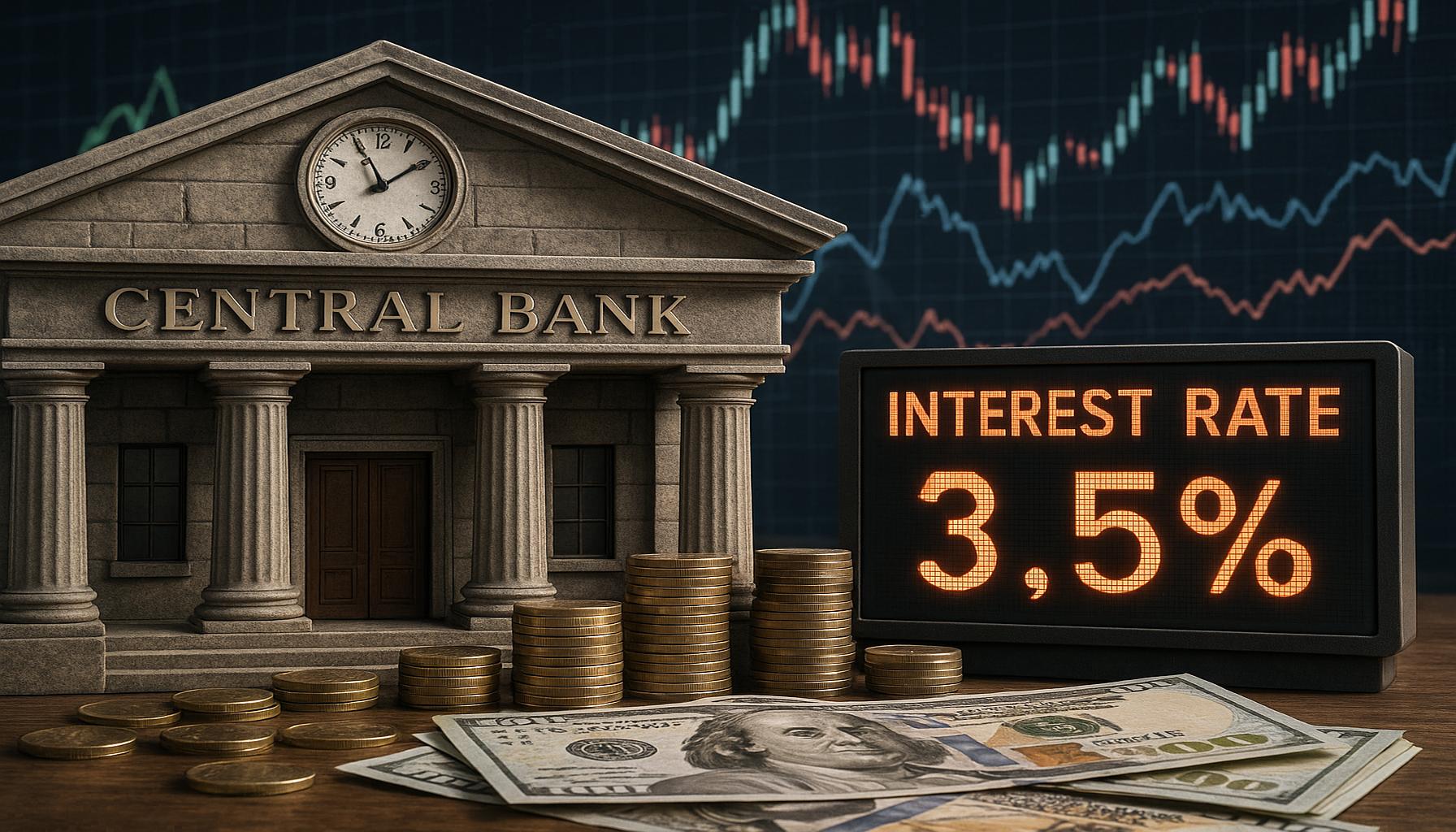
Interest rates are fundamental to the functioning of the economy, influencing everything from consumer behavior to the overall economic climate. They represent the cost of borrowing money and are expressed as a percentage of the total loan amount. For individuals and businesses alike, a clear grasp of how interest rates operate can lead to informed financial decisions.
One of the most significant ways interest rates impact the economy is through borrowing costs. When interest rates increase, the expense associated with acquiring loans rises. For example, a higher interest rate on a mortgage means that homebuyers will face larger monthly payments, which can deter many from purchasing homes or upgrading to larger properties. Conversely, when interest rates are low, borrowing becomes more attractive, which can stimulate spending on big-ticket items like cars and appliances.
Investment decisions are also greatly influenced by interest rates. Companies often rely on loans to fund expansion, hire new employees, or develop new projects. For instance, a tech startup considering a new product launch might delay its plans if interest rates spiked, choosing instead to wait until borrowing costs stabilize. On the other hand, low rates can lead to increased investment in infrastructure and technology, which can enhance productivity and drive economic growth.
Moreover, consumer behavior shifts in response to changing interest rates. When rates rise, consumers may reassess their budgets and opt to save rather than spend, particularly for discretionary items. Retailers and service providers can feel the effects of this tightening immediately; for example, if a nation faces rising interest rates, restaurants might see fewer diners, and retailers could report slower sales. Understanding these patterns can help businesses plan their operations and marketing strategies accordingly.
Stock market performance is not immune to the influences of interest rates either. A rise in rates often leads to volatility as investors recalibrate the value of their investments. Higher rates can decrease the future profitability of companies, causing stock prices to drop. Alternatively, during periods of lower interest rates, stock prices may rise as the potential for higher corporate profits increases. For example, when the Federal Reserve announces an increase in rates, stock analysts feverishly assess the implications for various sectors, leading to immediate changes in stock valuations.
In summary, appreciating the role of interest rates is imperative for financial literacy. It not only empowers individuals and businesses to make better financial decisions but also helps them to adapt to changing economic conditions. By understanding these dynamics, you can better navigate your financial future, whether that involves deciding when to invest, taking out a loan, or adjusting your spending habits.
DISCOVER MORE: Click here to learn how to apply for your Discover It Cash Back
Key Mechanisms of Interest Rate Influence
The interplay between interest rates and financial market dynamics is multi-faceted and far-reaching. To fully appreciate how these rates shape the financial landscape, it is essential to understand the various mechanisms at play. Here, we will explore three primary areas impacted by interest rates: bond markets, foreign exchange markets, and real estate markets, providing a clear picture of the interconnected financial ecosystem.
Bond Markets
Bonds are essentially loans made by investors to borrowers such as corporations or governments. The interest rate determines the coupon payments that bondholders receive. When interest rates increase, new bonds come to the market with higher coupon rates, making existing bonds with lower rates less attractive. Consequently, the prices of existing bonds fall as investors seek better yields from new issues. For example, if you own a bond that pays 3% interest and new bonds are issued with a 4% return, the market value of your bond may decline significantly, reflecting the difference in yield.
This relationship between interest rates and bond prices is known as inverse correlation, and it plays a crucial role in the overall financial health of an investor’s portfolio. As rates fluctuate, bond investors must consistently evaluate market conditions and may even reconsider their strategies to mitigate risks associated with rising rates.
Foreign Exchange Markets
The foreign exchange market (Forex) is highly sensitive to changes in interest rates as well. When a country raises its interest rates, its currency typically strengthens relative to others. This is primarily because higher rates offer better returns on investments denominated in that currency. For instance, if the U.S. Federal Reserve raises interest rates, it can lead to an influx of foreign capital seeking higher returns, thus increasing demand for the U.S. dollar.
On the flip side, if interest rates are decreased, it may weaken the currency. Investors might look for better opportunities elsewhere, leading to capital outflows. This dynamic can create volatility in currency exchanges, impacting international businesses and trade. Understanding these shifts is essential for businesses engaged in import-export and for individuals planning travel or investments abroad.
Real Estate Markets
The real estate sector is directly influenced by interest rates, particularly through mortgage rates. A rise in interest rates typically results in higher mortgage expenses, which can cool down the housing market. When buyers face higher borrowing costs, the demand for homes may wane, leading to slower sales and lower property price growth.
To put this into perspective, consider a scenario where interest rates increase by just 1%. This change can translate to hundreds of dollars in extra monthly payments for homebuyers, potentially pushing them to reconsider their purchasing timelines or even opt out of buying altogether. A dampened real estate market can have cascading effects on related sectors such as construction, home improvement, and furniture sales.
To summarize, understanding the impact of interest rates on the bonds, foreign exchange, and real estate markets is pivotal for making informed financial decisions. By recognizing how these fluctuations influence the broader financial landscape, individuals and businesses can better strategize their investments and spending behaviors, ultimately leading to improved economic outcomes.
DISCOVER MORE: Click here to learn how to apply
Broader Economic Implications of Interest Rate Changes
Beyond direct influences on specific markets, shifts in interest rates can ripple through the broader economy, impacting consumer behavior, business investment, and overall economic growth. Recognizing these implications enhances our understanding of how intertwined interest rates are with financial stability and market dynamics.
Consumer Spending and Confidence
Interest rates significantly affect consumer spending, which is a key driver of economic growth. When rates are low, borrowing becomes more affordable. Families and individuals are more likely to finance big-ticket items like cars and appliances or to take out personal loans for other needs. For example, if the Federal Reserve lowers interest rates to stimulate the economy, consumers are encouraged to borrow and spend, resulting in increased sales for retail businesses.
Conversely, when interest rates rise, the cost of credit becomes higher, which can dampen consumer confidence and lead to reduced spending. People may choose to delay their purchases or cut back on discretionary spending as their existing debt becomes more expensive to service. This behavioral shift can lead to slower economic growth as businesses experience decreased demand, potentially impacting their investment decisions.
Business Investment Decisions
Interest rates also play a crucial role in shaping business investment strategies. Lower interest rates can encourage companies to borrow for expansion, purchase new equipment, or invest in research and development. For instance, a startup might find it more feasible to secure a low-interest loan to expand its operations, hire additional staff, or enhance its product offerings. These activities not only boost the company’s growth prospects but also contribute to job creation and economic vitality.
In contrast, as interest rates rise, businesses may find themselves facing higher costs of capital, which can lead to a reassessment of growth plans. Companies might postpone or scale back investment projects, potentially delaying the launch of new initiatives, which stunts innovation and economic advancement. Such caution can create a domino effect across different sectors, ultimately affecting employment rates and market performance.
Stock Market Reactions
The stock market also reacts to changes in interest rates, which can influence investment strategies. Typically, when interest rates rise, investors may prefer fixed-income investments like bonds over stocks, prompting capital to shift away from equities. For example, if the Federal Reserve hikes rates in an attempt to curb inflation, investors might view equities as riskier, leading to a market sell-off. This is particularly visible in sectors like technology, which often rely on future growth and borrowing.
Moreover, rising interest rates can compress profit margins for companies that rely heavily on debt financing. As their borrowing costs increase, their profitability may suffer, leading to lower stock prices. Conversely, in an environment of declining rates, stock markets often flourish as companies experience improved profitability and investors become more optimistic about growth potential. Understanding this interplay underscores the need for investors to remain vigilant about interest rate trends and their potential impact on equity markets.
In conclusion, the effects of interest rates extend beyond individual financial markets, influencing consumer behavior, business investment decisions, and overall economic well-being. By assessing these broader dynamics, individuals and businesses can better navigate the complexities of financial markets and make informed decisions in response to changing interest rates.
DISCOVER: Click here to learn how to apply
Conclusion
In summary, the impact of interest rates on financial market dynamics is profound and far-reaching. As we have explored, changes in interest rates can influence consumer spending, shaping not only individual financial decisions but also the broader economic landscape. Low rates tend to stimulate borrowing and spending, fostering growth, while higher rates can lead to cautious consumer behavior, affecting overall economic activity.
Moreover, interest rates play a pivotal role in business investment decisions. Companies often weigh their investment strategies against the cost of capital dictated by interest rates. When borrowing costs are low, firms are more likely to invest in expansion and innovation, which, in turn, fuels job creation and economic vitality. In contrast, rising rates can prompt companies to reassess and potentially postpone important projects, leading to a slowdown in growth and innovation.
Additionally, the relationship between interest rates and the stock market showcases investor sentiment and market performance. As investors adjust their portfolios in response to rate changes, we see significant shifts that can impact market stability and overall economic confidence.
Understanding these interconnected dynamics equips individuals and businesses to make more informed decisions in a constantly evolving financial environment. Awareness of how interest rates shape market behaviors is essential for navigating investment strategies, enhancing financial stability, and ultimately, contributing to sustained economic growth.

Linda Carter
Linda Carter is a writer and expert known for producing clear, engaging, and easy-to-understand content. With solid experience guiding people in achieving their goals, she shares valuable insights and practical guidance. Her mission is to support readers in making informed choices and achieving significant progress.