The Role of Free Trade Agreements in the Expansion of International Trade
The Role of Free Trade Agreements in Global Trade
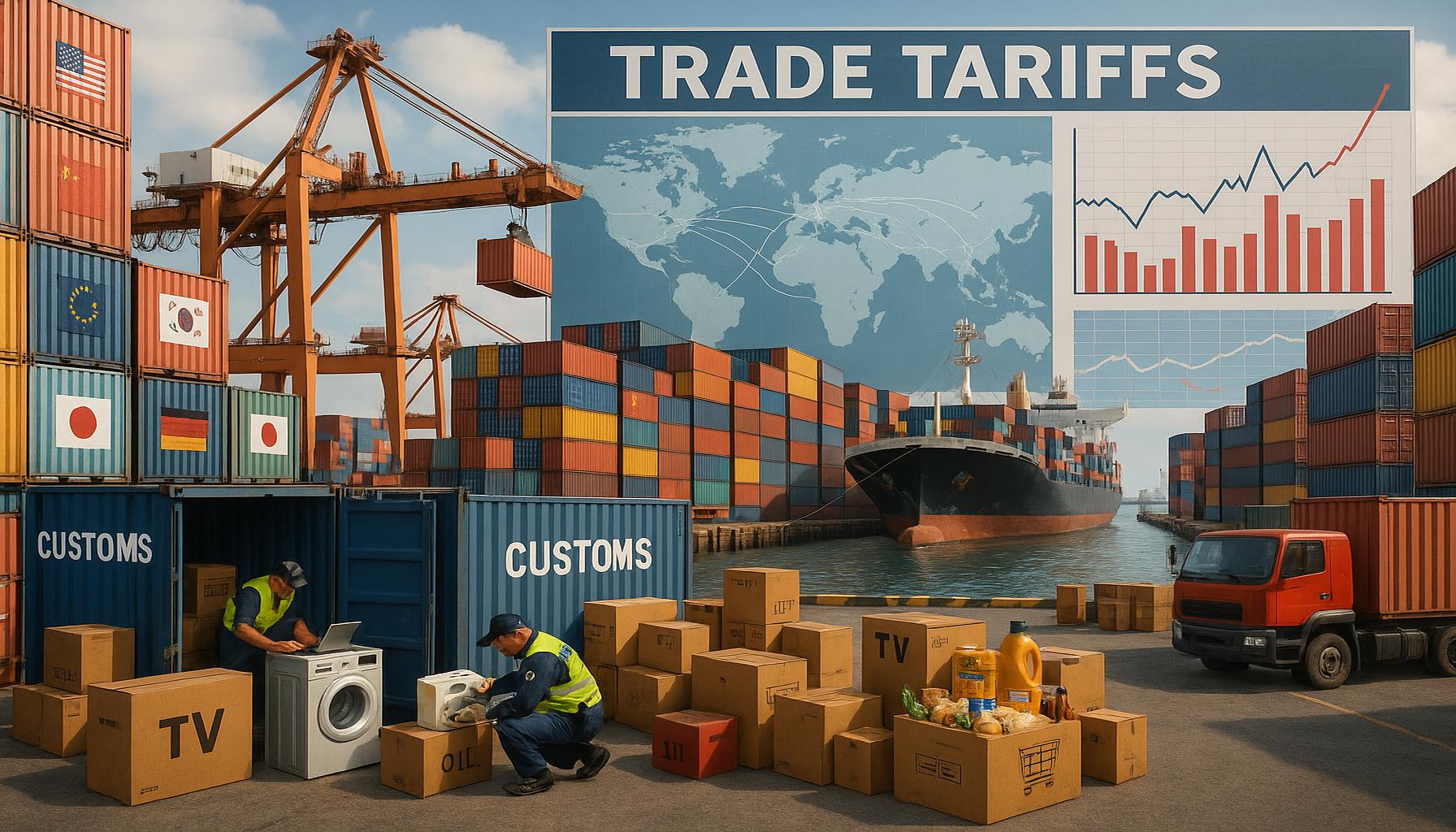
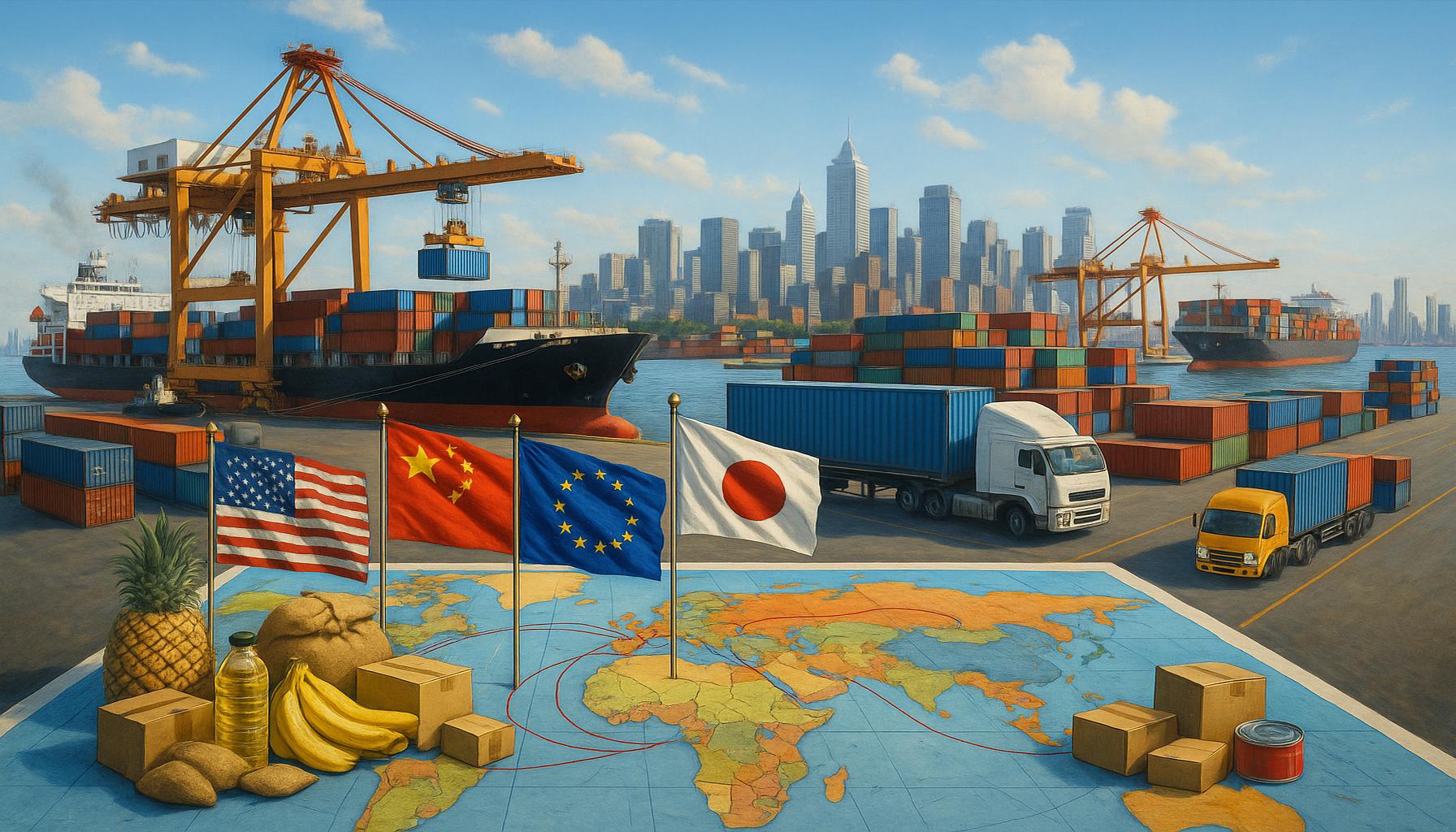
Trade is a cornerstone of global economies, significantly influencing growth, employment, and consumer choices. Free trade agreements (FTAs) are pivotal in this landscape, as they facilitate the exchange of goods and services across borders by eliminating tariffs and other trade barriers. This not only amplifies the flow of international trade but also opens up a world of options for consumers and businesses alike.
Understanding the Benefits of FTAs
To appreciate the significance of FTAs, it’s essential to grasp their myriad benefits. Below are some of the key advantages:
- Lower costs: One of the most immediate effects of FTAs is the reduction of tariffs, which are taxes imposed on imported goods. When tariffs decrease, consumers pay less for products, and businesses can reduce their costs as well. For example, when the US and Mexico struck a trade deal, American consumers saw lower prices on Mexican produce, such as tomatoes and avocados.
- Market access: FTAs create opportunities for companies to enter new markets without the burdensome costs of tariffs. Take the case of American farmers who can now sell their products in countries like Japan or Vietnam at competitive prices, thereby expanding their customer base significantly and increasing their sales.
- Increased competition: With FTAs in place, businesses face more competitors in the market. This heightened competition encourages innovation, as companies strive to improve their products and services to attract consumers. For instance, in technology, global deals have led firms to innovate faster in order to maintain market share.
Real-World Examples of FTAs
The North American Free Trade Agreement (NAFTA), now succeeded by the United States-Mexico-Canada Agreement (USMCA), serves as a prominent example of how FTAs facilitate trade among neighboring countries. Under NAFTA, trade between the U.S., Canada, and Mexico quadrupled in the 25 years since it was implemented, demonstrating the powerful effects of reducing trade barriers.
Similarly, modern agreements like the Trans-Pacific Partnership (TPP), although not officially enacted due to varying political landscapes, were designed to strengthen trade ties across the Pacific, showcasing efforts to create extensive trade networks that can adapt to changing global conditions.
Conclusion
As we delve deeper into the role of FTAs, it’s clear they are vital instruments in promoting international trade and economic collaboration. They not only help create a positive economic environment but also contribute to a diverse selection of consumer goods, ultimately enhancing living standards worldwide. By examining specific case studies and success stories, we can see firsthand how FTAs have transformed economies, proving their effectiveness in boosting global commerce.
DIVE DEEPER: Click here to learn effective strategies for managing your credit card debt
The Advantages of Free Trade Agreements
Free trade agreements are designed to bolster not just the volume of trade between countries, but also to enhance economic ties and promote overall growth. The advantages offered by FTAs extend beyond mere financial savings; they lay the groundwork for broader economic cooperation and prosperity. Here are some significant benefits that typically arise from these agreements:
- Economic Growth: FTAs often lead to increased economic growth in participating countries. By simplifying trade rules and reducing trade barriers, these agreements create a more conducive environment for businesses to operate. For instance, countries involved in FTAs typically experience boosts in their GDP. Over the years, countries like Canada have seen substantial economic advancements attributed to trade agreements with their neighbors.
- Job Creation: As businesses expand their operations and explore new markets, FTAs can lead to job creation. Smaller companies benefit from the ability to export their products without excessive costs. For example, U.S. tech companies can enter international markets more efficiently, thereby generating new job opportunities domestically.
- Simplified Regulations: FTAs often include provisions that address regulatory barriers, making it easier for businesses to comply with trade requirements. This simplification eliminates confusion and inefficiency. A case in point is the U.S.-Korea Free Trade Agreement, which streamlined many import and export processes, benefiting firms engaged in commerce between the two nations.
- Investment Opportunities: FTAs can increase foreign direct investment (FDI) by providing a more stable economic environment. When countries present a unified front with consistent trade regulations, investors are more likely to commit capital. For example, Japan’s investment in U.S. manufacturing has increased due to favorable trade terms that encourage such ventures.
Enhancing Global Supply Chains
Another critical role played by FTAs is their enhancement of global supply chains. When tariffs and trade barriers are minimized, manufacturers can source materials and components from multiple countries more efficiently. This interconnectedness allows companies to reduce production costs and increase competitiveness in the global market. A practical example can be seen in the automotive industry, where manufacturers like Ford and GM rely on parts produced across North America. The USMCA, for instance, promotes this interconnected supply chain, ensuring that parts can move freely across borders, ultimately leading to lower car prices for consumers.
Furthermore, these agreements enable countries to specialize in areas where they hold a comparative advantage. This means that resources can be allocated more efficiently, with countries producing what they can create most effectively. For instance, countries with abundant agricultural resources can focus on food production while countries with advanced technology can lead in innovation, creating a harmonious balance that benefits all parties involved.
Conclusion
In summary, Free Trade Agreements are instrumental in shaping the dynamics of international trade. They offer a variety of benefits, ranging from economic growth to job creation, which can significantly impact the prosperity of nations. By providing frameworks that promote cooperation and efficiency, FTAs not only enhance trade flows but also foster a more connected global economy. As we explore further, we can analyze specific FTAs and their long-term impacts on countries engaged in these vital trade relationships.
DIVE DEEPER: Click here to discover how to apply
The Strategic Importance of Free Trade Agreements
Free Trade Agreements (FTAs) are not only essential for enhancing trade volume; they also serve as strategic tools in the global economy. These agreements can influence geopolitical dynamics, improve bargaining power, and provide a framework for resolving disputes, which can be crucial in today’s interconnected world. Let’s delve deeper into these strategic benefits:
Geopolitical Leverage
FTAs can enhance a country’s geopolitical standing and strengthen its alliances. By entering into trade agreements, nations can bolster their influence over others, fostering political and economic ties that extend beyond mere commerce. For instance, the North American Free Trade Agreement (NAFTA), now succeeded by the United States-Mexico-Canada Agreement (USMCA), was not only about trade but also about creating a strong economic bloc in North America that could compete more effectively on the global stage.
Moreover, FTAs often serve as a counterbalance to regions where economic competition may be more favorable to other nations. For example, the Comprehensive and Progressive Agreement for Trans-Pacific Partnership (CPTPP) allows member countries in the Asia-Pacific to strengthen their economic relationship while also countering the influence of China in the region. This strategic maneuvering can reinforce alliances and prepare nations for future economic challenges.
Strengthening Supply Chain Resilience
In today’s globalized economy, supply chains are intricate and can be vulnerable to disruptions. FTAs play a significant role in building more resilient supply chains by establishing clear guidelines that enhance predictability and reliability. When uncertainties, such as tariffs or export restrictions, are minimized, companies can operate with more confidence. An excellent example of this is seen during the COVID-19 pandemic when many nations faced supply chain disruptions. Countries with strong FTAs were better equipped to navigate these challenges due to established trade mechanisms that facilitated quicker adjustments.
- Crisis Management: FTAs can include provisions that allow for quick response measures during crises, enabling countries to act jointly in the face of challenges, thereby protecting their economies and populations.
- Diversification of Sources: Participating countries can source products from multiple partners, allowing for flexibility and reducing reliance on a single country. For instance, an American electronics manufacturer could source components from Mexico, Canada, and Malaysia under various FTAs, mitigating risks associated with geopolitical tensions.
Fostering Innovation and Knowledge Transfer
Another crucial aspect is the encouragement of innovation through knowledge exchange facilitated by FTAs. These agreements often include provisions for intellectual property rights, fostering an environment conducive to research and development. For example, under the USMCA, advancements in technology sectors are protected and promoted, which incentivizes companies to invest in new technologies and innovations.
Moreover, FTAs can create educational exchanges where companies and institutions collaborate, leading to shared best practices and cutting-edge technologies that benefit all parties involved. This cross-pollination of ideas stimulates innovation across member countries, enhancing their global competitiveness. Countries such as the United States have continuously benefited from engaging with innovative partners through such agreements, allowing them to maintain their technological edge.
By recognizing and leveraging these strategic dimensions of FTAs, countries can navigate the complex world of international trade more effectively, ensuring that they are not only participants but also leaders in shaping global trade dynamics.
DISCOVER MORE: Click here to learn about monetary policies and global trade
Conclusion
In summary, Free Trade Agreements (FTAs) play a pivotal role in the expansion of international trade by facilitating smoother transactions between nations, reducing barriers, and promoting economic integration. By eliminating tariffs and trade quotas, FTAs can make imported goods more affordable for consumers and businesses alike. For instance, the North American Free Trade Agreement (NAFTA) allowed for the elimination of tariffs on numerous goods traded between the United States, Canada, and Mexico, which significantly increased trade volumes among these countries. This agreement has proven influential in sectors such as agriculture and automotive manufacturing, showcasing how FTAs can enhance market access and drive economic growth.
Through FTAs, countries not only enhance their trade volumes but also gain strategic advantages that bolster their geopolitical influence and strengthen alliances. Take the European Union (EU) as an example; through its various trade agreements, the EU not only promotes economic cooperation but also enhances political relationships among member states. Furthermore, these agreements can lead to enhanced supply chain resilience, enabling nations to swiftly respond to crises like natural disasters or global pandemics. For instance, during the COVID-19 pandemic, countries with robust FTAs were better positioned to adapt their supply chains to ensure critical goods, such as medical supplies, reached where they were needed most.
Moreover, FTAs foster innovation and facilitate knowledge transfer, creating an environment where ideas and technologies can flourish. When countries engage in collaborative trade agreements, businesses are more likely to share best practices and technological advancements, benefiting not just the companies involved but also their respective economies. For example, the Trans-Pacific Partnership (TPP) aimed to enhance cooperation on environmental issues and labor rights, showcasing how FTAs can promote progressive standards that elevate economic and social conditions across borders.
As international trade continues to evolve, the importance of FTAs cannot be overstated; they serve as essential instruments for countries to navigate the complexities of the global marketplace. Ultimately, the future of international trade will depend heavily on how nations approach and renegotiate these agreements. Countries like the United States are focusing on revitalizing their trade policies to boost competitiveness. As they strive to maintain strong ties with allies, embracing the strategic role of FTAs will remain a crucial factor in achieving sustainable economic growth and prosperity on the world stage.

Linda Carter
Linda Carter is a writer and expert known for producing clear, engaging, and easy-to-understand content. With solid experience guiding people in achieving their goals, she shares valuable insights and practical guidance. Her mission is to support readers in making informed choices and achieving significant progress.