The Impact of Trade Tariffs on the Global Economy
The Role of Trade Tariffs in Global Economics
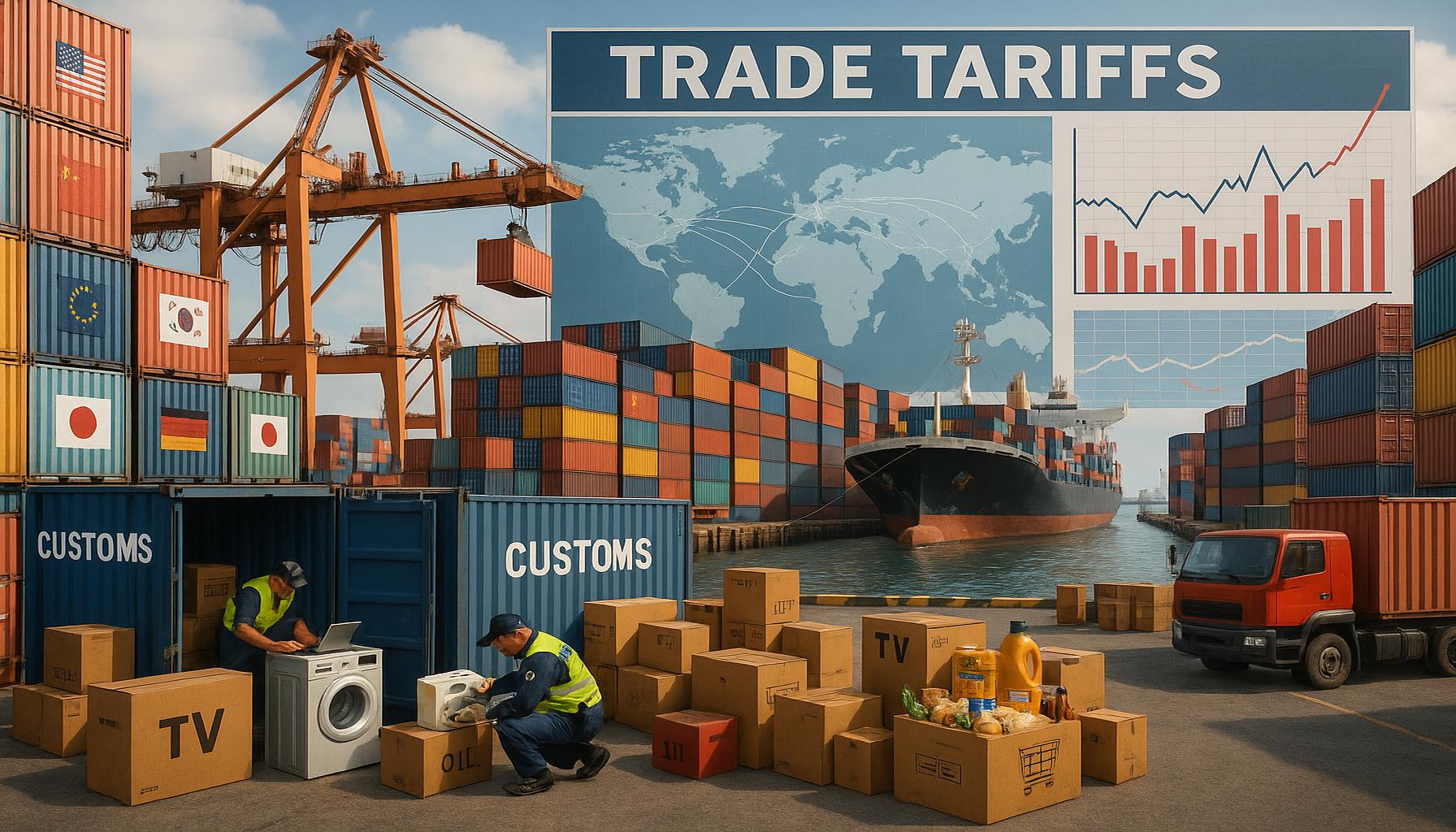
The world of trade is complex, with many layers influencing how nations interact economically. Trade tariffs are one such layer, acting as taxes imposed on imported goods. These tariffs can reshape global trade dynamics significantly.
Why Understanding Trade Tariffs Is Important
Understanding trade tariffs is essential: They serve as a mechanism for governments to regulate trade between countries. By placing a tax on imported goods, tariffs effectively increase the cost of foreign products, making them less competitive in the domestic market. This change can lead to a variety of economic impacts, some beneficial and some detrimental.
- They raise the cost of foreign products. For instance, if the U.S. imposes a tariff on imported electronics from another country, consumers will see higher prices on these items. This can influence purchasing decisions, leading more people to buy domestically-produced electronics.
- They aim to protect domestic industries. When tariffs are applied, they provide a safeguard for local manufacturers who might struggle to compete with cheaper imports. An example can be seen in the American steel industry where tariffs were introduced to support domestic steel producers facing intense competition from overseas, particularly from countries like China.
- They can lead to retaliatory measures from other countries. If one country imposes tariffs, affected countries may retaliate with their tariffs. This tit-for-tat scenario can escalate into trade wars, adversely affecting international relations and the global economy.
Impact of Tariffs on Various Sectors in the U.S.
The United States has seen firsthand how tariffs can impact various sectors. For example, tariffs on steel and aluminum have not only influenced the construction industry but also automotive manufacturing. Companies like Ford and General Motors might face increased costs for raw materials, which can ultimately be passed on to consumers in the form of higher prices for vehicles.
Considering the Broader Implications
As we delve into this topic, it’s important to consider:
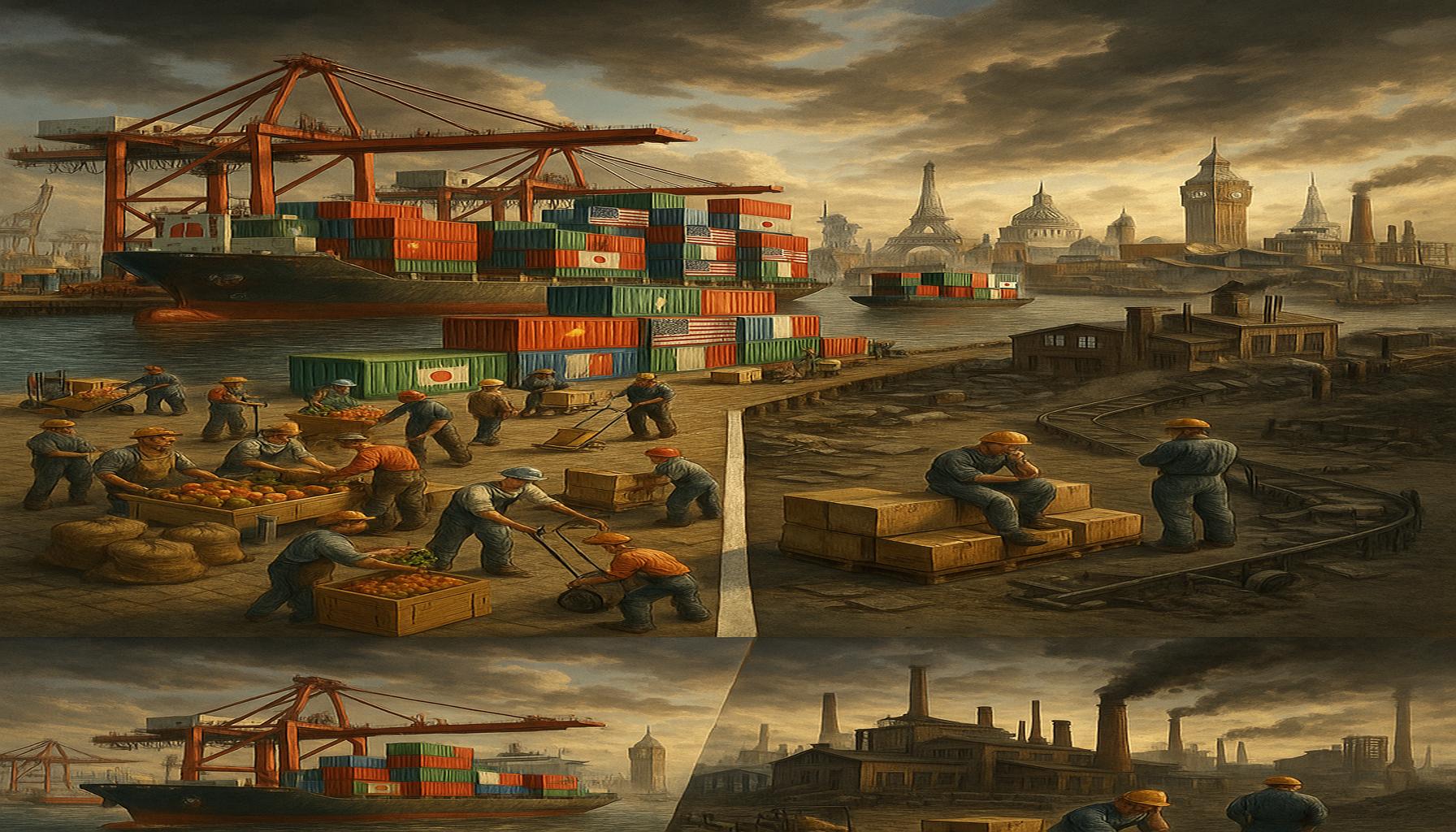
- The short-term benefits to local businesses. While tariffs may temporarily support domestic industries by providing them with a shield against foreign competition, this protection can lead to complacency, reducing incentives for innovation and efficiency in the long term.
- The long-term implications for consumer prices. Tariffs can create a ripple effect throughout the economy, leading to higher prices for consumers on a wide variety of goods—from groceries to household products. This can strain household budgets and alter the purchasing power of American families.
- The overall effect on international relationships. Trade tariffs can create rifts between nations, which may lead to long-lasting impacts on diplomatic relations. A country that feels wronged by tariffs may take actions that affect broader geopolitical strategies.
By exploring these aspects, we can better understand how trade tariffs not only influence domestic markets but also highlight the interconnectedness of the global economy. As consumers and citizens in the U.S., being aware of these dynamics can empower us to make informed decisions about the products we purchase and the policies we support.
DISCOVER MORE: Click here to dive deeper
Understanding the Economic Ripple Effects of Trade Tariffs
Trade tariffs not only affect the immediate markets but also have profound implications for the broader economy. When tariffs are introduced, they can create a chain reaction that influences various stakeholders across different sectors. Let’s explore some of these broader economic effects.
The Effects on Employment and Wages
One important consideration is how trade tariffs can affect employment and wages. Protective tariffs can lead to job creation in specific industries by boosting domestic production. For example, if the government imposes tariffs on imported textiles, domestic clothing manufacturers may increase production to meet local demand. This shift could lead to new hiring opportunities in the textile sector.
However, the overall impact on employment can be mixed. While certain industries may gain, others, especially those that rely on imported goods for manufacturing, may suffer. For instance, if tariffs raise the cost of raw materials for American manufacturers, this burden can translate into job cuts or stalled wages in sectors dependent on those materials. The following are key points to consider regarding employment impacts:
- Job Growth in Protected Industries: Tariffs can lead to increased hiring in industries that receive protection from foreign competition.
- Job Losses in Export-Oriented Sectors: Industries that thrive on exports may face challenges; higher production costs can make American goods less competitive abroad.
- Wage Stagnation: Increases in costs due to tariffs can lead companies to keep wages below desired levels, affecting overall wage growth.
Effect on Consumer Goods and Inflation
Another critical aspect of tariffs is their potential to drive inflation. When the cost of imported goods rises due to tariffs, it is often passed on to consumers in the form of higher prices. This inflationary pressure can be particularly pronounced in daily goods such as food and household products, impacting families across the economic spectrum. For example, if tariffs are placed on imported agricultural products, grocery prices may surge as domestic producers raise their prices to capitalize on less competition.
In addition, consumers may find themselves faced with fewer choices as tariffs can lead to a decline in the variety of goods available on the market. Local producers may replace imports, but the selection may be limited. This can hinder consumer choice and access to more affordable options.
The Global Trade Landscape
Lastly, understanding the impact of tariffs on the global trade landscape is crucial. As countries impose tariffs and engage in protectionist policies, the interconnected web of global trade faces strain. Businesses that rely on international supply chains must navigate these challenges, potentially leading to increased production costs and disrupted operations. Tariffs can lead to a significant reshaping of established trade relationships, as countries have to reevaluate their partnerships based on newfound barriers to trade.
In conclusion, while trade tariffs are often seen as tools for protecting domestic industries, their implications ripple through the economy in complex ways. From employment and wages to consumer prices and global trade dynamics, the multifaceted effects of tariffs highlight the intricate relationships that define the global economy today. Understanding these impacts is essential for consumers and policymakers alike, as they navigate the complex waters of international trade and economic policy.
DISCOVER MORE: Click here to learn how to apply
The Consequences of Tariffs on Investment and Innovation
Trade tariffs also significantly influence investment and innovation within an economy. When businesses anticipate tax increases on imported goods, they may adjust their strategic decisions regarding where to invest and how much to innovate. Companies, particularly those in sectors heavily reliant on international supply chains, often face uncertainty in such environments, which can harm their long-term growth prospects.
Investment Decisions in a Tariff Environment
Higher tariffs can deter foreign direct investment (FDI) as foreign companies may reconsider their plans to invest in a country perceiving it as a less hospitable business environment. For example, if a foreign automaker plans to establish a production facility in the U.S. but faces significant tariffs on imported parts, it may choose to invest elsewhere, where the cost of doing business is lower. This can lead to missed opportunities for job creation and technological advancement in the domestic economy.
Moreover, existing companies might redirect their investments, opting to allocate resources to countries that offer lower tariffs or more favorable trade policies. Such shifts can result in economic stagnation in the affected countries, and over time, this may also lead to a decrease in their competitive edge in the global marketplace.
Innovation Stagnation Due to Tariffs
Innovation thrives in competitive environments where companies are motivated to improve their products and practices. However, tariffs can contradict this dynamic by shielding domestic companies from foreign competition, reducing their incentive to innovate. When companies feel comfortable in a protected market, they may prioritize short-term profits over long-term investments in research and development (R&D).
Take the technology sector as an example. If wireless telecommunications equipment faces tariffs, companies may choose to focus on immediate cost recovery rather than investing in the next generation of technology solutions. Over time, this could stifle advancements in key areas such as high-speed internet access and IoT (Internet of Things) applications, ultimately impacting the competitiveness of an entire industry.
Supply Chain Disruption and Resilience
The introduction of trade tariffs also forces companies to reassess their supply chain strategies. Businesses that relied heavily on imported inputs must now navigate increased costs and potential delays. This situation may encourage firms to seek alternative sources or develop domestic production capabilities, but such transitions often come with challenges, including the necessity for substantial investments and changes in logistics.
For instance, a U.S. manufacturer of electronic goods might have sourced components from various countries. With tariffs in place, the company may explore local suppliers. However, this change could lead to increased production times and, initially, higher costs as the adjustment is made. The overall resilience of businesses can improve in the long term if they diversify their supply chains, but the immediate operational adjustments can be daunting.
In addition to these challenges, soaring costs associated with tariffs could fuel corporate consolidation as companies look for ways to improve efficiencies and cut overhead expenses. This could lead to fewer players in the market and may inhibit competition, further stalling innovation in the process.
Overall, the impact of trade tariffs on investment and innovation highlights the importance of carefully weighing the short-term benefits of protectionist policies against the broader, long-term consequences for growth, competitiveness, and consumer choice. A holistic understanding of these factors can help inform better policy decisions that resonate across the global economy.
DIVE DEEPER: Click here for more details
Conclusion
In summary, trade tariffs wield significant influence over the global economy, affecting various facets such as investment, innovation, supply chains, and competition. By imposing tariffs, governments aim to protect domestic industries, but these measures can inadvertently create a ripple effect that hinders growth and technological advancement. As seen in sectors like automotive and tech, tariffs may dissuade foreign direct investment, leading companies to rethink their strategies and seek more favorable environments elsewhere. This not only curbours domestic job creation but can also stifle progress in innovation, as businesses insulated from foreign competition might lack the drive to enhance their products.
Moreover, tariffs disrupt established supply chains, forcing companies to adapt swiftly—often at a substantial cost. While some businesses may ultimately benefit from diversifying their suppliers and enhancing resilience, the transitional period is typically fraught with challenges. A possible consequence is market consolidation, where reduced competition can limit choices for consumers and further slow innovation.
Ultimately, the negative repercussions of trade tariffs underscore the necessity for a balanced approach to trade policy. Policymakers must carefully consider the long-term implications of protectionist measures, seeking to foster a competitive landscape that stimulates growth, innovation, and consumer choice. As we navigate an increasingly interconnected world, a nuanced understanding of the impacts of tariffs on global economic dynamics is essential for making well-informed decisions that benefit all stakeholders involved.

Linda Carter
Linda Carter is a writer and expert known for producing clear, engaging, and easy-to-understand content. With solid experience guiding people in achieving their goals, she shares valuable insights and practical guidance. Her mission is to support readers in making informed choices and achieving significant progress.