

Challenges of International Trade in Times of Economic Crises
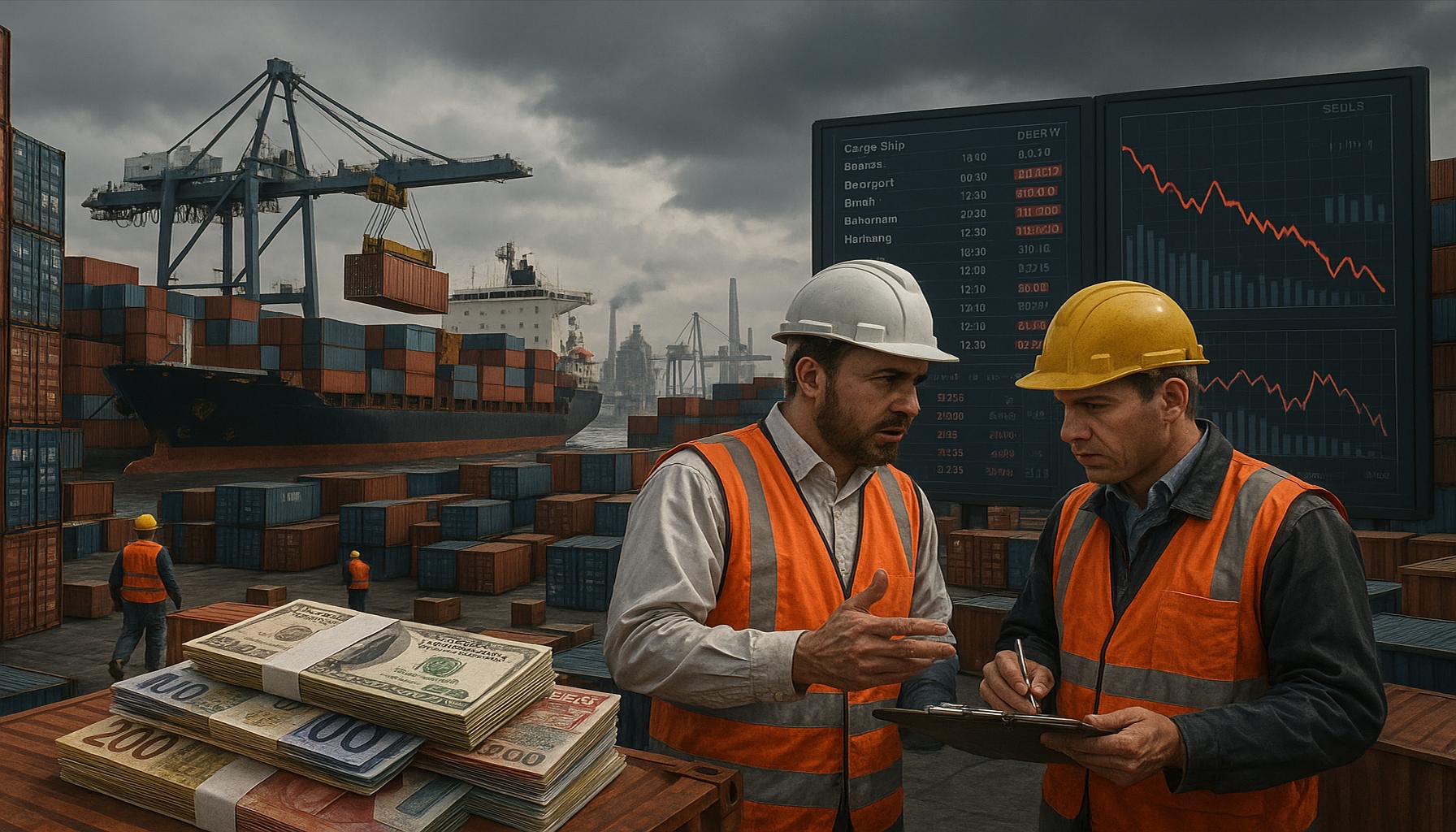
Impact of Economic Crises on International Trade
In our global marketplace, the exchange of goods and services across borders is essential for economic vitality. However, during times of economic crises, this critical trade faces numerous obstacles. Understanding these disruptions is important for businesses, policymakers, and consumers alike, as they can significantly influence economic stability and growth.
Supply Chain Disruptions
Supply chain disruptions are often the most immediate and visible consequence of an economic downturn. When factories shut down due to financial challenges or public health crises, the entire supply chain is affected. For instance, during the COVID-19 pandemic, many factories across Asia suspended operations, which led to shortages of goods like electronics and clothing in markets around the world, including the United States.
Transportation also becomes a bottleneck during crises. Ports may be overwhelmed or plagued by labor shortages, delaying shipments and causing an increase in delivery times. These delays can impact businesses that rely on just-in-time inventory systems. For example, an automobile manufacturer may find that essential parts are delayed, halting production and leading to significant financial losses.
Currency Fluctuations
Currency fluctuations pose another significant threat. In times of economic uncertainty, currencies can experience volatility. This unpredictability makes it difficult for businesses to set prices and manage costs effectively. For example, if a U.S. company imports steel from Europe and the Euro suddenly strengthens against the dollar, the cost of that steel increases, squeezing profit margins. Businesses must then find ways to absorb these costs or pass them on to consumers, which can hinder competitiveness.
Regulatory Changes
Additionally, regulatory changes can complicate international trade during economic crises. Governments may impose new tariffs or quotas to protect domestic industries facing downturns, which can increase the cost of imported goods or limit their availability in the market. For instance, a sudden tariff on Chinese electronics could make them more expensive for U.S. consumers and businesses, forcing companies to rethink their sourcing strategies.
Ripple Effects on Local Economies
These challenges create a ripple effect that can further exacerbate economic conditions. A decline in exports not only impacts businesses directly but can also lead to job losses in critical sectors, such as manufacturing and agriculture. For example, if American farmers can no longer export their produce due to tariffs, they may have to reduce their workforce, affecting local economies and communities dependent on those jobs.
In conclusion, navigating the complexities of international trade during economic crises is essential for maintaining economic health. Businesses that understand these challenges can adapt more readily, ensuring that they weather the storm and emerge stronger post-crisis. Policymakers must also consider these dynamics when crafting trade regulations to support economic resilience and growth.
DISCOVER MORE: Click here for insights on digital currencies in trade
Obstacles in Accessing Capital
Another major challenge during economic crises is the difficulty in accessing capital. Businesses engaged in international trade often rely on loans and credit to finance their operations, including purchasing inventory and managing day-to-day expenses. During an economic downturn, financial institutions may tighten lending standards, making it harder for companies to secure the funds they need. This can lead to a snowball effect, as insufficient capital hampers businesses’ ability to import goods or reinvest in their operations.
For example, small and medium-sized enterprises (SMEs) may find it particularly difficult to navigate these financial challenges. If an SME produces specialty foods and relies on imported ingredients, an inability to access loans could mean they cannot purchase vital supplies, resulting in production delays or stoppages. As a consequence, these companies might face layoffs or even permanent closure, which further destabilizes local economies.
Increased Competition from Domestic Markets
During times of economic strife, increased competition from domestic markets can also create challenges for international trade. As consumers become more cautious about their spending, they may prefer locally produced goods to support their national economy. This shift can lead to a decline in demand for imported products, affecting foreign companies trying to maintain their market share in the United States.
- Brand loyalty: Local companies may benefit from established brand loyalty, making it harder for foreign products to compete.
- Perceived quality: Consumers may perceive local products as fresher or more reliable compared to imports, further dampening international trade.
- Government support: Domestic industries may receive government support through subsidies, giving them a competitive edge over foreign competitors.
As a result, foreign manufacturers might need to adapt their marketing strategies or even reevaluate their pricing structures to remain appealing in a changing marketplace. For instance, a European car manufacturer operating in the U.S. may decide to emphasize the superior engineering behind their vehicles or offer attractive financing options to entice buyers who are increasingly inclined toward local options.
Geopolitical Factors
Geopolitical factors also play a significant role in shaping the landscape of international trade during economic crises. Rising tensions between countries can lead to changes in trade policies that further complicate cross-border commerce. For example, if diplomatic relations sour, tariffs might be introduced or trade agreements restructured, leading to confusion and unpredictability for businesses relying on international trade.
Furthermore, global alliances can shift, affecting long-standing trade relationships. Companies that might have previously benefited from stable imports may find themselves scrambling to establish new partnerships or sourcing strategies to navigate the changing political climate.
In summary, as the complexities of accessing capital, competitive pressures from domestic markets, and geopolitical influences illustrate, the challenges of international trade during economic crises are multifaceted and far-reaching. By understanding these dynamics, businesses can better position themselves to adapt and thrive in such uncertain times.
DIVE DEEPER: Click here to discover more
Supply Chain Disruptions
During economic crises, supply chain disruptions pose significant challenges to international trade. Economic downturns often lead to reduced production capacities, labor shortages, and logistical challenges that can affect the movement of goods across borders. For instance, when a factory in a foreign country faces financial difficulties, it may reduce output or temporarily shut down, impacting the flow of goods to companies relying on those imports.
Consider a scenario where a U.S. retailer depends on products from a manufacturer in a struggling economy. If that manufacturer cannot produce enough goods due to workforce layoffs or limited access to raw materials, the retailer might experience empty shelves and lost sales opportunities. In this increasingly interconnected world, such disruptions do not just affect individual companies; they resonate throughout the entire supply chain, leading to longer lead times and increased costs.
Currency Fluctuations
Currency fluctuations are another critical factor affecting international trade amid economic crises. When an economic downturn occurs, it can lead to increased volatility in exchange rates. This unpredictability can present challenges for companies involved in international trade, as it affects pricing and profit margins.
For example, if the U.S. dollar strengthens against other currencies due to an economic recovery, American exporters might find their goods becoming more expensive for foreign buyers. Conversely, a weaker dollar can cause increased costs for American companies importing goods from abroad. Companies must constantly monitor exchange rates and potentially employ hedging strategies to stabilize their costs and avoid adverse financial impacts.
Regulatory Barriers
Heightened regulatory barriers are also common during economic crises. Governments may implement new trade restrictions or revise existing regulations to protect domestic industries. Such actions can complicate the international trading landscape, as importers and exporters navigate these changing legal frameworks.
For example, an increase in tariffs on imported goods can create additional costs for businesses, leading them to reconsider their supply chain partners. This can be particularly challenging for companies that have longstanding relationships with foreign suppliers. They may need to find alternative sources or adjust their product offerings to comply with new regulations, potentially leading to delays and increased operational complexity.
Consumer Behavior Changes
Finally, shifts in consumer behavior during economic crises can significantly influence international trade dynamics. Economic uncertainty often leads consumers to prioritize essential goods over luxury items or discretionary purchases. As a consequence, businesses involved in trading non-essential products may find themselves facing decreased demand.
To illustrate, consider a U.S. company that imports high-end electronics. During an economic downturn, consumers may opt for more affordable alternatives, leading to a decline in sales for that business. Companies must adapt their product lines and marketing strategies to align with evolving consumer preferences, potentially shifting towards necessities or budget-friendly options to maintain sales.
In conclusion, managing supply chain disruptions, grappling with currency fluctuations, navigating regulatory barriers, and adapting to changing consumer behavior are pressing challenges businesses face in international trade during economic crises. Understanding these hurdles enables companies to develop more resilient strategies that can withstand the complexities of global commerce in turbulent times.
DISCOVER MORE: Click here for details on applying
Conclusion
In times of economic crises, the fabric of international trade is severely tested, revealing numerous challenges that businesses must address to navigate these turbulent waters. The issues of supply chain disruptions, currency fluctuations, regulatory barriers, and shifts in consumer behavior play significant roles in shaping the global trading environment. Each of these factors not only affects individual companies but also reverberates throughout the interconnected global economy.
To develop robust strategies, businesses need to adopt a proactive approach to risk management. For instance, diversifying supply sources can help mitigate the impact of unexpected shutdowns while closely monitoring currency rates can assist in maintaining competitive pricing. Additionally, fostering strong relationships with regulatory bodies can ease the navigation through shifting legal landscapes.
Furthermore, adapting to consumer preferences becomes imperative, encouraging companies to innovate their product lines to ensure alignment with market needs during challenging times. Businesses that demonstrate flexibility, resilience, and an understanding of these complex dynamics are better positioned to thrive amid economic challenges.
Ultimately, the ability to effectively manage these hurdles not only leads to survival during crises but can also provide a foundation for growth in the recovery phase. By recognizing and addressing the challenges associated with international trade during economic downturns, companies can emerge stronger and more competitive in the global market.

Linda Carter
Linda Carter is a writer and expert known for producing clear, engaging, and easy-to-understand content. With solid experience guiding people in achieving their goals, she shares valuable insights and practical guidance. Her mission is to support readers in making informed choices and achieving significant progress.
