The Influence of Government Policies on Commodity Market Dynamics
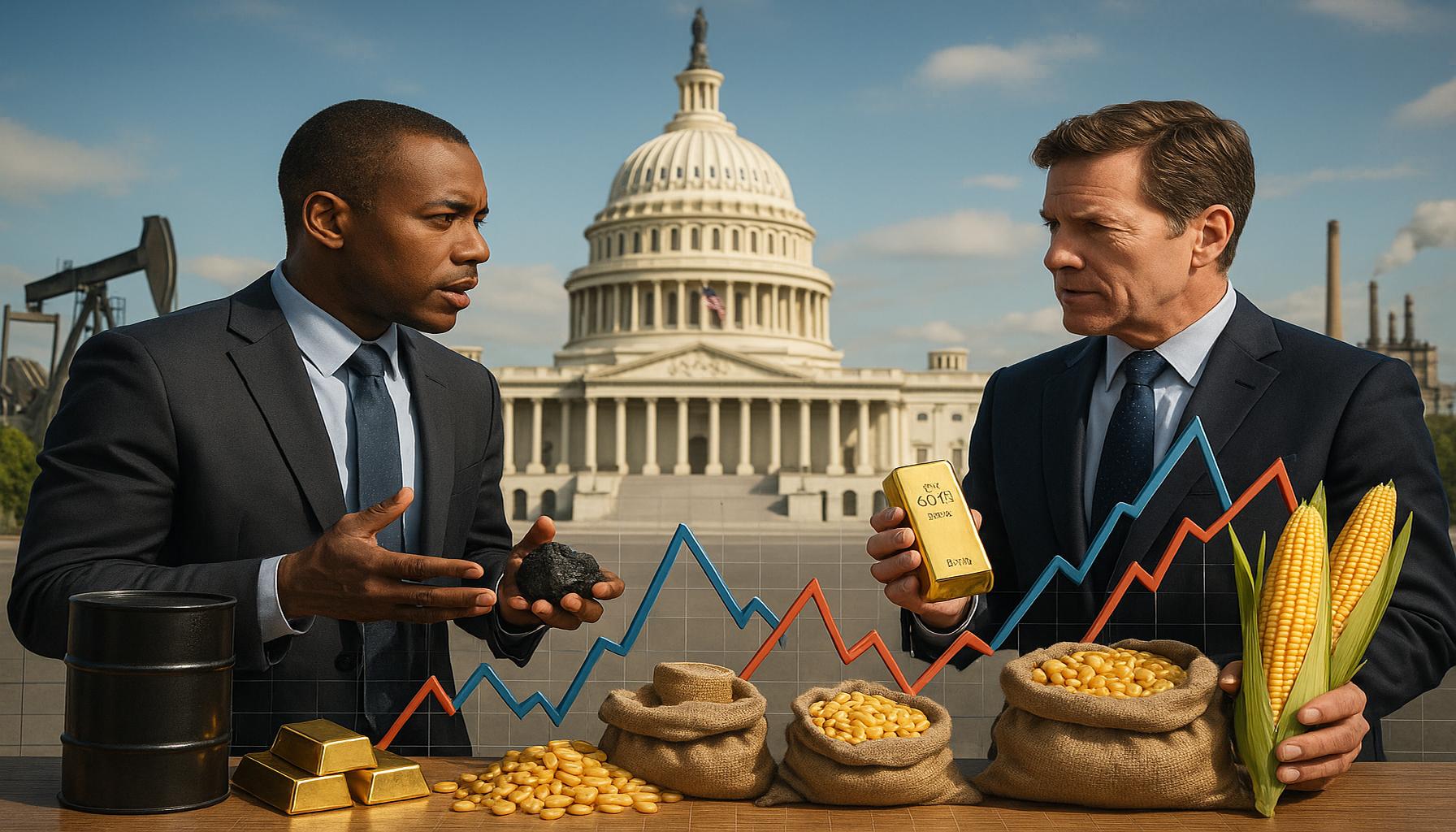
Understanding Government Policies in Commodity Markets
Government policies play a crucial role in shaping the dynamics of commodity markets. These policies influence both supply and demand, ultimately affecting prices and market stability. The interaction between policy and market behavior is intricate, and it is essential for traders, investors, and consumers to understand these connections. By examining various government actions, we can better appreciate their impact on commodity prices and market trends.
Some of the key government actions that significantly impact commodity markets include:
- Regulations: Laws governing production, safety, and environmental impact can greatly alter supply chains. For instance, stricter environmental regulations on oil extraction may necessitate additional costs for energy companies, potentially leading to higher oil prices as these companies pass on costs to consumers.
- Subsidies: Financial support for farmers or producers can enhance production. For example, in the United States, the government offers subsidies to corn farmers. This financial assistance can lead to an increase in corn production, eventually contributing to lower prices for corn products, including ethanol, which is used for fuel and food products.
- Trade Policies: Tariffs and international trade agreements directly impact commodity prices by altering supply chains. An example is the tariffs imposed during the trade tensions between the United States and China, which affected the prices of soybeans. U.S. farmers found themselves facing reduced demand from China due to higher tariffs, prompting a decline in soybean prices and forcing farmers to explore new markets.
Additionally, monetary policy from entities such as the Federal Reserve can indirectly affect commodity markets. Fluctuations in interest rates and inflation levels influence the cost of capital, which impacts investment in commodity production. For example, when interest rates are low, borrowing costs decrease, encouraging producers to invest in expanding production capabilities, which can lead to increased supply in the market and subsequently lower commodity prices.
By exploring these various policies, we can gain valuable insight into how they mold the landscape of commodity markets. Understanding this relationship is vital for making informed decisions as market participants. For instance, consumers should consider how policies might affect their grocery bills, while investors might look for ways to hedge against potential price fluctuations driven by changing government policies.
In summary, the complexities of government policies and their implications for commodity markets are significant. By staying informed, traders, investors, and consumers alike can navigate the evolving dynamics of the market more effectively.
DIVE DEEPER: Click here to learn more
The Impact of Regulations on Supply Chains
One of the most significant ways government policies influence commodity markets is through regulations. These regulations can encompass a wide range of issues, including production practices, environmental standards, and safety protocols. When governments establish stricter guidelines, they often lead to increased operational costs for producers, which can transform supply dynamics in the market.
For instance, consider the agricultural sector. In recent years, regulations aimed at reducing the use of harmful pesticides and herbicides have become more common. While these regulations are essential for promoting public health and environmental protection, they can result in lower crop yields for farmers who are unable to use certain chemicals. Consequently, if farmers produce less of a staple commodity, such as wheat or corn, the reduced supply can elevate prices for consumers.
Another example can be seen in the energy sector. The push for cleaner energy sources has led to stringent regulations on fossil fuel extraction. These regulations often require companies to invest heavily in new technologies to minimize their environmental footprint. As companies pass these costs onto consumers, prices for oil and natural gas can increase, which directly impacts energy bills and overall economic stability.
The Role of Subsidies in Increasing Production
Government subsidies represent a powerful tool for influencing commodity markets. By providing financial assistance to specific sectors, governments can encourage increased production, which in turn affects market prices. For example, in the United States, the government offers subsidies to farmers growing corn and soybeans. Such financial support helps farmers cover production costs and allows them to allocate resources to expand their operations.
When subsidies enable farmers to produce more crops, the increased supply can lead to lower prices for those commodities. For instance, as the production of corn rises due to favorable subsidies, prices for corn-based products, including corn syrup and ethanol, may decrease. This reduction can benefit consumers by lowering prices at the grocery store and even impacting fuel prices, given corn’s significant role in ethanol production.
- Impact on Food Prices: Subsidies can lead to cheaper food prices as supply increases, influencing consumer spending and overall economic behavior.
- Effects on International Trade: U.S. subsidies may affect global commodity markets by making American crops more competitive in the international market, potentially impacting farmers in other countries.
- Environmental Considerations: While subsidies can enhance production, they may also lead to overproduction, raising concerns about sustainable agricultural practices and the long-term impact on the environment.
In summary, the influence of government regulations and subsidies on commodity markets cannot be overstated. By shaping both the supply and cost structure of essential goods, these policies play a fundamental role in determining market dynamics. Understanding these influences is crucial for anyone participating in the commodity markets, whether they are producers, consumers, or investors.
DIVE DEEPER: Click here to discover how to apply
The Effects of Trade Policies on Market Accessibility
Trade policies are another critical aspect of governmental influence on commodity markets. These policies dictate the terms of international trade, including tariffs, quotas, and trade agreements, which can significantly impact commodity prices and availability. When governments adjust trade policies, they can either facilitate or hinder market access, affecting both producers and consumers.
For instance, consider the tariffs imposed on imported steel in the United States. When the government decided to impose higher tariffs on imported steel to protect domestic manufacturers, it inadvertently led to increased prices for all steel products in the country. Domestic producers were shielded from foreign competition, allowing them to raise prices without worrying about losing customers to overseas suppliers. Consequently, industries relying on steel, such as construction and automotive manufacturers, faced higher costs that they often passed on to consumers, driving up prices for finished goods.
The Importance of Export Subsidies
Export subsidies are another tool that governments use to influence commodity markets. By providing financial incentives to domestic producers for exporting their goods, governments can enhance the competitiveness of their agricultural and industrial sectors. For example, a government might provide financial assistance for farmers to sell wheat abroad, making it more profitable for them to export than to sell domestically.
This shift can have profound effects on global commodity prices. If a country significantly increases its wheat exports due to government encouragement, it may reduce the available supply for domestic markets, leading to price increases for consumers at home. These dynamics underscore how export subsidies can inadvertently create volatility not just within one country but across international commodity markets as well.
- Impact on Global Supply Chains: Changes in export subsidies can disrupt supply chains, requiring countries and businesses to adjust to sudden shifts in available products, which can lead to short-term fluctuations in prices and availability.
- Effects on Developing Nations: When wealthier nations implement export subsidies, it can disadvantage farmers in developing countries who struggle to compete on price. This can cause economic stagnation and distress in agriculture-based economies.
- Market Dependence: Countries heavily reliant on certain exports may find their economic stability increasingly linked to government policies, making them vulnerable to policy changes that can affect their commodity markets.
Moreover, government policies aimed at promoting international trade can take the form of trade agreements, which can reduce or eliminate tariffs and quotas between partner nations. For example, agreements such as the United States-Mexico-Canada Agreement (USMCA) foster trade by allowing easier access for U.S. goods to Canadian and Mexican markets. This can enhance market dynamics for American farmers and manufacturers by increasing demand, ultimately leading to more competitive pricing for consumers.
In summary, government trade policies play a pivotal role in shaping commodity market dynamics. By influencing both domestic and international trade, these policies affect supply, demand, and pricing. For anyone involved in commodity markets, understanding the nuances of trade policy and its potential ripple effects is vital for navigating the complexities of market dynamics.
DISCOVER MORE: Click here to learn how technology is reshaping global commerce
Conclusion
In conclusion, government policies significantly shape the dynamics of commodity markets, serving as a vital mechanism through which nations manage their economies. Trade policies, such as tariffs and export subsidies, serve to influence the accessibility and pricing of commodities, impacting both producers and consumers alike. For example, while tariffs can protect domestic industries, they may lead to increased costs for consumers and additional strain on related sectors. Similarly, export subsidies can enhance competitiveness abroad but can also create resource scarcity domestically, leading to price hikes for local consumers.
Moreover, these policies not only affect local markets but also resonate across global supply chains, illustrating the interconnectedness of today’s commodity landscape. For instance, when major exporting nations adjust their export strategies due to governmental incentives, it often disrupts supply chains and can lead to unexpected price volatility in other countries.
As we navigate these complexities, it remains crucial for stakeholders, from policymakers to business leaders, to understand the potential implications of government interventions. In an ever-evolving trade environment, the ability to anticipate and adapt to policy changes is imperative for success. Ultimately, recognizing the profound influence of government policies offers valuable insights into commodity market dynamics, enabling stakeholders to make informed decisions in a globally interlinked economy.

Linda Carter
Linda Carter is a writer and expert known for producing clear, engaging, and easy-to-understand content. With solid experience guiding people in achieving their goals, she shares valuable insights and practical guidance. Her mission is to support readers in making informed choices and achieving significant progress.