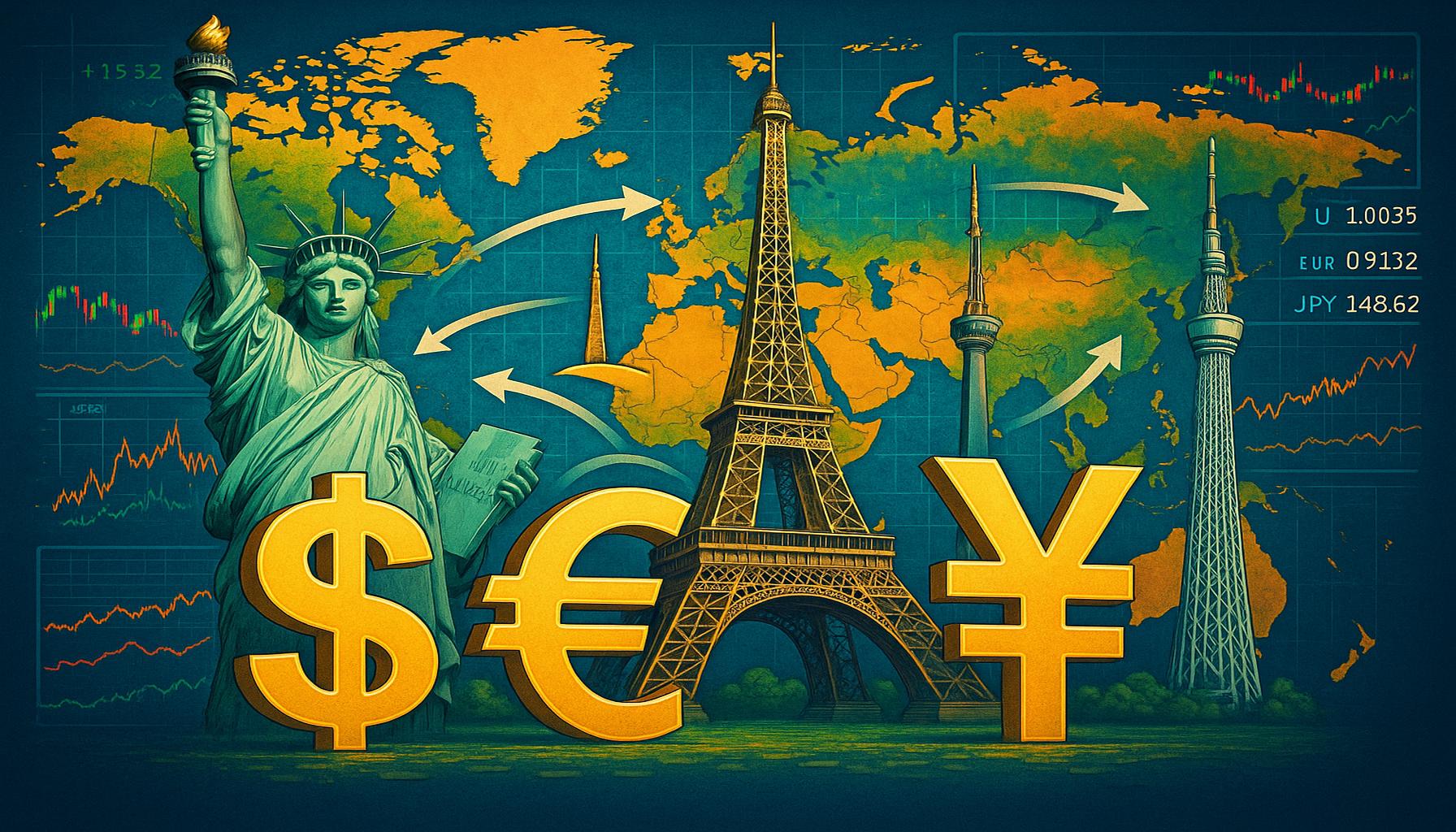
The Evolution of International Trade and Its Impact on Exchange Rates
The Evolution of International Trade
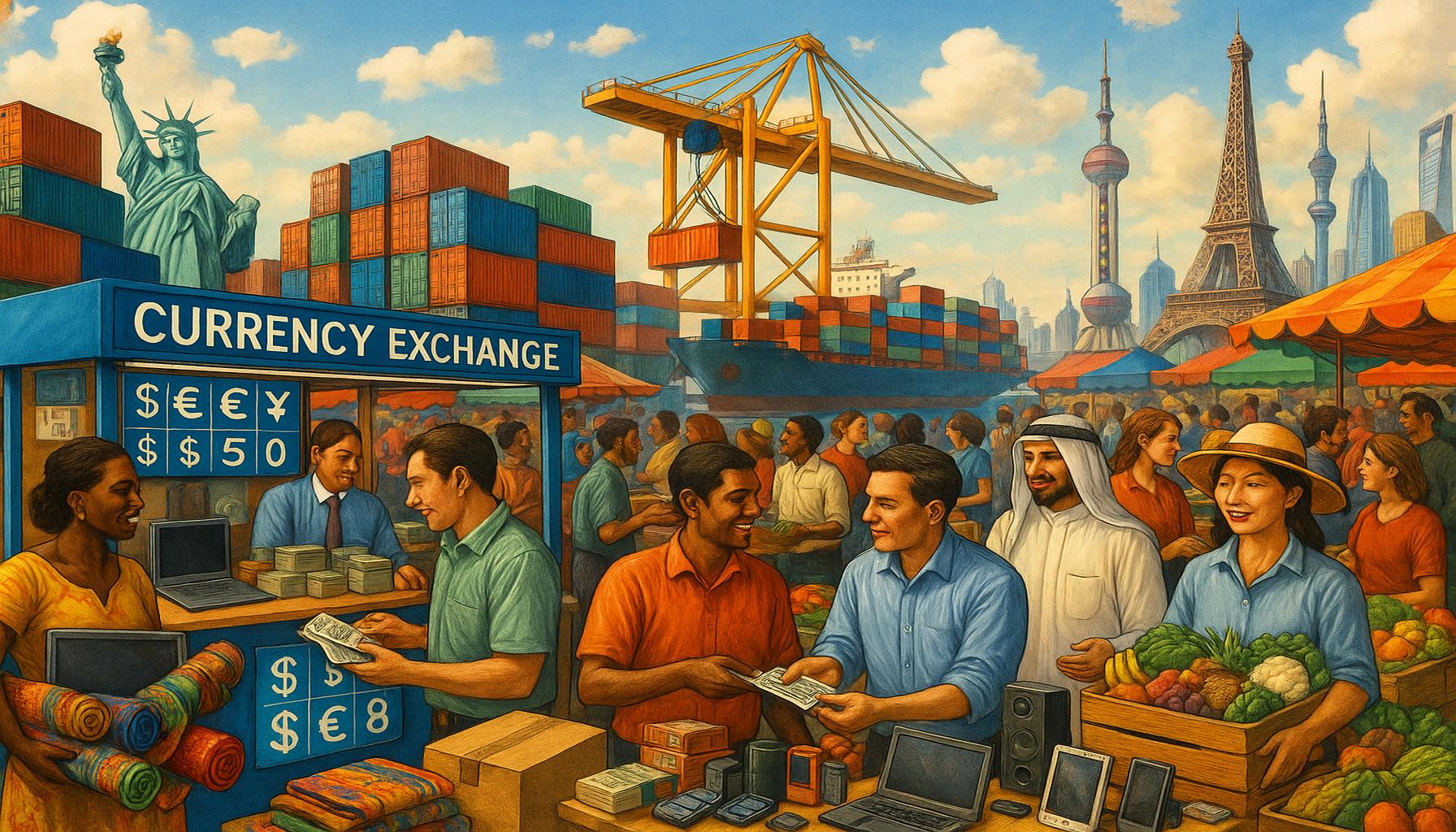
International trade has a rich history that reflects the changing dynamics of global economies. In its earliest forms, trade was primarily local, with communities exchanging goods such as grains, textiles, and crafted items. Over centuries, this gradually evolved into a complex web of international exchanges, influenced by numerous factors that shaped modern economies.
Technological advancements have played a pivotal role in this transformation. One significant innovation is container shipping, which revolutionized how goods are transported across borders. Before containerization, loading and unloading cargo was a time-consuming process, often requiring specialized labor. The introduction of standardized shipping containers has streamlined this process, allowing for faster turnaround times in ports and reducing shipping costs significantly. For example, the time it takes to load a cargo ship has decreased dramatically, enabling businesses to respond more swiftly to market demands.
Another critical factor in the expansion of international trade is the establishment of trade agreements. Agreements like the North American Free Trade Agreement (NAFTA), now replaced by the United States-Mexico-Canada Agreement (USMCA), have played an essential role in eliminating tariffs and trade barriers between countries. Between the U.S., Canada, and Mexico, these agreements have facilitated a smoother flow of goods and services across borders, strengthening economic ties and fostering growth. Such collaborations not only benefit businesses but also consumers, who can access a broader range of products at competitive prices.
Globalization is perhaps the most overarching trend shaping modern trade. The interconnectedness of economies means that actions in one part of the world can have rapid consequences elsewhere. For instance, when there is a surge in demand for electronic goods in the U.S., it can lead to increased exports from manufacturing hubs in Asia. Conversely, geopolitical tensions or changes in trade policies can lead to disruptions in these complex supply chains.
The relationship between international trade and exchange rates is intricate yet vital. A country that exports more than it imports typically sees its currency strengthen. For example, if the U.S. exports a substantial amount of soybeans, resulting in high demand for the dollar, this can lead to an appreciation of the currency relative to others. This currency strength impacts everything from the price of imports to investment decisions, making it crucial for businesses and consumers to stay informed.
Understanding these dynamics equips individuals and organizations with the tools to navigate the complexities of international markets effectively. Armed with this knowledge, they can make informed decisions, whether they are exporting goods or making strategic financial investments.
DISCOVER MORE: Click here to learn about the latest transformations in finance
Key Drivers of International Trade
To fully understand the evolution of international trade, it is essential to explore the key drivers that have influenced its growth over time. These drivers not only shaped the patterns of trade we see today but also have significant ramifications for exchange rates across the globe.
One of the primary drivers of international trade is the concept of comparative advantage. This economic principle posits that countries can benefit from trade by specializing in producing goods and services that they can produce more efficiently than others, while importing goods that require more resources or expertise to produce. For example, the U.S. has a comparative advantage in technology and agricultural products, leading to a robust export market in these areas. By focusing on these sectors, the U.S. is able to trade for other goods, such as electronics from Japan or clothing from Bangladesh, thus increasing overall economic efficiency.
Alongside comparative advantage, consumer demand plays a vital role in shaping international trade. As economies grow, consumers typically seek a wider variety of products, often from foreign markets. Current trends show an increasing appetite for organic and specialty products, leading to a surge in imports from countries that produce them. For instance, American consumers have developed a taste for avocados, resulting in significant imports from Mexico, which has spurred the growth of this industry and affected both currencies involved.
Impact of Policy and Regulation
Trade policies and regulations also significantly affect international trade dynamics. Governments impose tariffs, quotas, and subsidies to protect their domestic industries. These regulations can distort market prices and impact currency values. For example, if the U.S. imposes heavy tariffs on steel imports to protect its domestic producers, it may lead to higher costs for American manufacturers who rely on steel. In response, these manufacturers might reduce orders, ultimately impacting the dollar’s value against other currencies due to decreased exports.
Global supply chains have emerged as another key component of modern international trade. Many businesses operate across borders, sourcing materials and goods from various countries to create their products. This interconnectedness allows for greater efficiency and cost savings but also increases vulnerability to international events. For instance, the COVID-19 pandemic highlighted how disruptions in one country could have cascading effects globally, impacting everything from production schedules to shipping costs.
Factors that influence international trade include:
- Comparative Advantage: Focusing on efficient production capabilities.
- Consumer Demand: Growing preferences for diverse products.
- Trade Policies: Tariffs and regulations impacting trade flows.
- Global Supply Chains: The interconnectedness of production worldwide.
As we continue to explore the evolution of international trade, it is crucial to consider these drivers and their collective impact on exchange rates. The interplay between trade activities and currency values creates a landscape where businesses and consumers must remain vigilant, adapting to the changing tides of global commerce.
DISCOVER MORE: Click here to learn how to apply
The Influence of Technology on Trade Dynamics
Another crucial factor in the evolution of international trade is the impact of technology. Advancements in technology have revolutionized how goods and services are produced, traded, and consumed across borders. The rise of the internet and e-commerce platforms has paved the way for small businesses to participate in global trade, which was once dominated by large corporations. For instance, U.S.-based companies can now sell their products directly to consumers in other countries through websites and online marketplaces. This remarkable shift not only broadens market access but also significantly influences currency exchange rates as demand fluctuates based on international purchasing behaviors.
Moreover, technological innovations such as blockchain and artificial intelligence have streamlined supply chain management, enhancing transparency and reducing costs. Companies in the U.S. are now using these technologies to track products from production to delivery, thereby minimizing delays and errors. This efficiency leads to a more stable trade flow, which in turn can stabilize or strengthen the value of the dollar against other currencies, as consistent exports foster positive trade balances.
The Role of Economic Factors
Economic conditions within and outside a country play an integral role in shaping international trade. Factors such as inflation rates, interest rates, and overall economic growth significantly affect trade balances and currency values. For example, if the U.S. experiences higher inflation compared to its trading partners, U.S. goods become more expensive for foreign buyers. As a result, exports may decline, which could lead to a depreciation of the dollar against other currencies.
The business cycle also affects trade dynamics. During economic expansions, countries typically see an increase in demand for imports, while export activities might surge as other economies grow. Conversely, during recessions, consumers and businesses tend to reduce spending, leading to decreased imports and potential surpluses in exports. This cyclical behavior can cause significant fluctuations in exchange rates, as currency demand is influenced by the shifting trade flows.
The Effects of Geopolitical Events
Geopolitical events, such as conflicts, trade agreements, or changes in diplomatic relationships, significantly shape the landscape of international trade. For instance, the recent trade tensions between the U.S. and China have led to the imposition of tariffs and other barriers that inherently affect the exchange rates between the two countries’ currencies. As companies deal with rising costs due to tariffs, they may adjust their supply chains or shift their trade practices, which can lead to shifts in currency strength.
Similarly, trade agreements like the United States-Mexico-Canada Agreement (USMCA) have been crafted to enhance trade dynamics and encourage economic cooperation within the region. Such agreements can bolster trade flows and provide a stable environment for investors, thereby supporting the value of participating currencies. In essence, the agreements foster a sense of predictability and stability in trade relationships, which is fundamental for maintaining robust exchange rates.
As we delve deeper into the international trade landscape, it is evident that technology, economic factors, and geopolitical considerations are critical in influencing trade behaviors and exchange rate stability. Each element contributes intricately to the complex web of international commerce and financial relations, necessitating ongoing analysis and adaptation by businesses and policymakers alike.
DISCOVER MORE: Click here to learn how to apply!
Conclusion
In summary, the evolution of international trade presents a compelling narrative that intertwines technology, economic factors, and geopolitical events, all of which play vital roles in shaping exchange rates. The advancement in technology has democratized access to global markets, allowing smaller businesses to compete effectively alongside large corporations. This shift not only enhances trade opportunities but also directly influences currency values as purchasing patterns change on a global scale.
Furthermore, the economic landscape—including inflation rates, interest rates, and the business cycle—dictates the flow of trade and the strength of currencies. As nations experience different economic conditions, the impact on exchange rates becomes evident, reflecting fluctuations in demand for imports and exports. This cyclical nature highlights the intrinsic connection between trade performance and currency stability.
Moreover, geopolitical events undeniably shape the international trading environment. Elements such as trade agreements and tensions can introduce significant volatility to exchange rates, underlining the necessity for businesses and policymakers to remain vigilant and adaptable to changes in trade dynamics.
As we navigate the complexities of international trade, a holistic understanding of these interconnected factors is essential. It calls for continuous examination and strategic management to foster a stable trading environment, ultimately strengthening our economy and ensuring the resilience of our currency in the global arena.

Linda Carter
Linda Carter is a writer and expert known for producing clear, engaging, and easy-to-understand content. With solid experience guiding people in achieving their goals, she shares valuable insights and practical guidance. Her mission is to support readers in making informed choices and achieving significant progress.