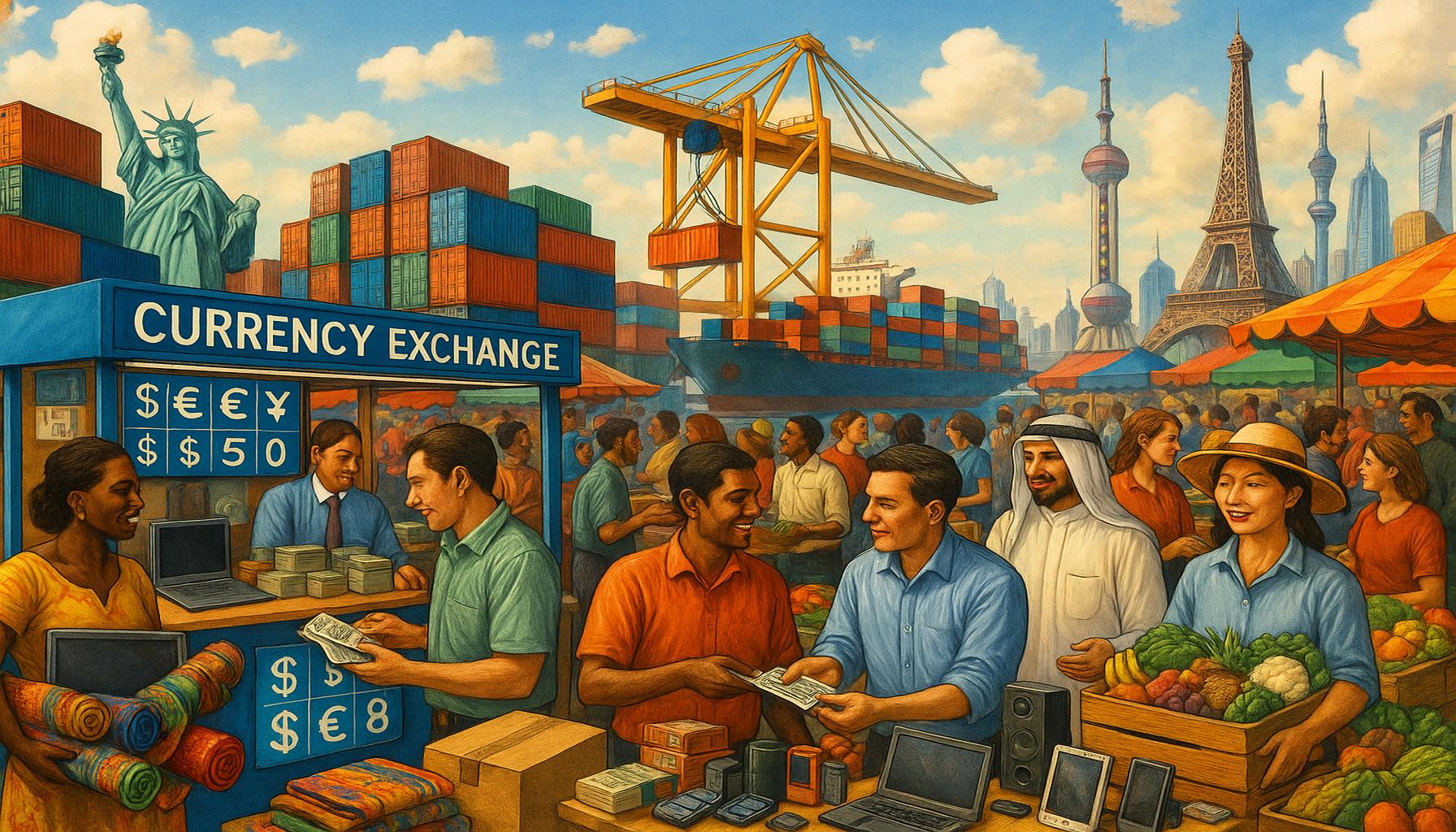
The Influence of Globalization on the Monetary Policies of Major Economies

The Influence of Globalization on Monetary Policy
In recent years, the phenomenon of globalization has dramatically reshaped the landscape of monetary policy, making it more complex and interconnected than ever before. Central banks, which are responsible for determining interest rates, controlling inflation, and maintaining financial stability, now have to account for international factors when crafting their strategies. This change is particularly evident in economies such as the United States, the European Union, and China, where external pressures can influence domestic economic decisions.
International Trade
International trade is one of the primary channels through which globalization affects monetary policies. When countries lower trade barriers and promote the exchange of goods and services, they create an environment where local markets must compete with international ones. For example, when American manufacturers face competition from cheaper imports, this can lead to lower prices domestically, directly impacting inflation—a major factor that the Federal Reserve monitors. If inflation rates drop due to increased imports, the Federal Reserve might choose to maintain lower interest rates to stimulate economic growth.
Capital Mobility
Capital mobility refers to the ease with which financial capital can move in and out of a country. In a globalized economy, investors frequently seek opportunities beyond their borders, leading to significant implications for domestic monetary policies. For instance, if investors perceive better growth opportunities in an emerging market, they may withdraw funds from the U.S., leading to a depreciation of the dollar. A weaker dollar can increase import prices and stoke inflation, prompting the Federal Reserve to consider tightening monetary policy to counter inflationary pressures.
Economic Policy Coordination
As countries become more interconnected, the need for economic policy coordination increases. Economic shocks in one country can easily ripple through the global economy. For example, during the 2008 financial crisis, the U.S. housing market collapse affected financial institutions worldwide, prompting central banks to coordinate responses such as lowering interest rates and providing liquidity. By working together, these economic powers aimed to stabilize their economies and restore confidence in the financial system, highlighting how globalization necessitates cooperative monetary strategies.
In summary, the effects of globalization on monetary policy are profound and multifaceted. As central banks navigate the complexities of an interconnected world, they must consider a variety of external economic factors and their potential impact on domestic stability and growth. Understanding these dynamics is crucial for comprehending the current monetary landscape and anticipating future policy decisions. The next sections will explore these aspects in greater detail, examining specific examples and their implications for economies around the globe.
DIVE DEEPER: Click here to discover more
Globalization’s Role in Shaping Monetary Policy Decisions
To fully grasp the influence of globalization on monetary policy, it is essential to understand how various global dynamics interact with domestic economies. The interplay of forces such as exchange rates, inflation expectations, and labor markets complicates the decision-making process of central banks. These institutions must not only address local economic conditions but also respond to international economic developments that can significantly influence their effectiveness.
Exchange Rates and the Global Economy
Exchange rates are a critical component of economic policy that can be directly affected by globalization. Changes in currency values can impact the competitiveness of a country’s exports and imports. For example, if the U.S. dollar appreciates significantly against other currencies, American goods may become more expensive for foreign buyers, potentially reducing export sales. This change can cause economic slowdowns, prompting the Federal Reserve to consider adjustments to interest rates to encourage economic activity.
Additionally, fluctuations in exchange rates can alter inflation dynamics. A stronger dollar might lower import prices, helping keep inflation in check. On the contrary, if the dollar weakens, imported goods become more expensive, which can contribute to rising inflation. Therefore, the Federal Reserve must closely monitor these trends and adjust their monetary policy accordingly to maintain their dual mandate of price stability and maximum employment.
Inflation Expectations in a Globalized Market
In a globalized economy, inflation expectations are heavily influenced by international market conditions. With the rise of global supply chains, domestic prices can be affected by production costs in other countries. For instance, if a major supplier of raw materials experiences disruptions due to political unrest or natural disasters, prices may surge. Such price increases can lead to heightened inflation expectations even before the effects are felt in the U.S. economy.
To address these expectations, the Federal Reserve may adjust interest rates preemptively, aiming to anchor long-term inflation expectations and maintain consumer confidence. This responsiveness is crucial, as unanticipated inflation can distort investment decisions and savings strategies. The challenge lies in the Fed’s ability to accurately gauge the inflationary pressure from global sources while balancing domestic economic needs.
The Impact on Labor Markets
Globalization also affects labor markets, which in turn, can influence monetary policy. The availability of cheaper labor overseas often encourages companies to outsource jobs, potentially leading to job losses in higher-cost economies like the U.S. This shift can create domestic economic pressures, as unemployed workers may reduce overall consumption, slowing down economic growth. Central banks may respond by adopting an accommodative monetary policy to stimulate job creation and economic recovery.
In summary, the global nature of today’s economy presents both challenges and opportunities for central banks as they formulate their monetary policies. Understanding how exchange rates, inflation expectations, and labor markets are influenced by globalization is crucial for effectively navigating economic resilience. The subsequent sections will delve deeper into specific case studies showcasing these influences and their implications for major economies worldwide.
DIVE DEEPER: Click here to discover more
Globalization and Central Bank Strategies
As globalization continues to evolve, central banks must develop innovative strategies to manage monetary policies effectively. One prominent method is the adoption of forward guidance, where central banks commit to providing clearer communication regarding future monetary policy directions. This strategy is particularly vital in a globalized economy, as shifts in international markets rapidly influence local financial conditions, leading to a need for more transparent policymaking.
Forward Guidance and Its Relevance
Forward guidance helps set expectations for interest rates and can influence economic decisions by shaping how businesses and consumers perceive future economic conditions. For instance, during economic downturns, the Federal Reserve may signal its intention to maintain low interest rates for an extended period. This reassurance can encourage borrowing and investment, stimulating overall economic activity. Conversely, in times of growth, the Fed might suggest potential rate hikes to prevent overheating in the economy.
In a global context, the effectiveness of forward guidance can be impacted by international economic conditions. For example, if other major economies are experiencing growth, capital may flow toward those markets if the Fed signals a tightening cycle. Therefore, the Federal Reserve must consider how its communication will resonate not just domestically but globally, ensuring that its policies remain effective in the interconnected financial landscape.
The Role of Capital Flows
Another important aspect of globalization influencing monetary policy is the movement of capital flows. Rapid movements of foreign investments can dramatically affect domestic economic stability and influence central bank decision-making. For instance, if a country’s financial markets offer higher yields due to lower interest rates, foreign investors may flock to those markets, driving up the value of the local currency. This can create challenges for central banks, as they may need to counteract inflationary pressures resulting from a stronger currency.
Moreover, countries experiencing sudden outflows of capital, often prompted by geopolitical tensions or economic instability, may face currency depreciation. This scenario further complicates the central bank’s role, as they must balance the need for stable currency values while fostering economic growth. In practice, capital flows compel central banks to remain agile and responsive to external economic shifts, refining their monetary policy frameworks accordingly.
The Influence of Global Trade Agreements
Global trade agreements also play a vital role in shaping monetary policy. These agreements can affect the balance of trade and, by extension, the current account. For example, if the United States engages in a trade agreement that fosters competitive trade relations, it may lead to increased exports. This surge can impact the trade balance positively, leading to a stronger dollar and additional pressure on inflation.
In response, the Federal Reserve may adopt a more hawkish monetary stance to manage potential inflationary pressures triggered by surging demand. Alternatively, adverse trade conditions, such as tariff increases disrupting established global supply chains, can lead to economic slowdowns, prompting a shift to looser monetary policies to safeguard economic performance.
Continual adjustments to trade policies underscore the importance of central banks being well-informed about agreements and international trade dynamics. Effectively interpreting these developments can help central banks predict potential economic shifts and modify their monetary policies to enhance national economic stability.
In conclusion, the intertwining of globalization with central bank strategies indicates an evolution in the way monetary authorities operate. Understanding the implications of forward guidance, capital flows, and global trade agreements equips central banks to navigate the complexities of modern monetary policy effectively.
DISCOVER MORE: Click here for details on the Choice Privileges Select Mastercard
Conclusion
The landscape of monetary policy has undeniably shifted in response to the profound effects of globalization. Central banks, particularly in major economies like the United States, now operate in a world where their decisions are influenced by a myriad of global factors, ranging from capital flows to international trade agreements. As outlined in this article, strategies such as forward guidance have become essential tools for managing public expectations and stabilizing economies in an interconnected world.
It is critical to recognize that as globalization continues to advance, the need for central banks to remain agile and adaptive is paramount. For example, a sudden influx of foreign investments can complicate domestic monetary goals. Likewise, shifts in global trade dynamics can drive inflationary pressures that require prompt and informed responses. Therefore, central banks must enhance their analytical capabilities to predict and mitigate the downstream effects of global economic changes.
In conclusion, the relationship between globalization and monetary policy is complex and multifaceted. By embracing innovative strategies and maintaining a keen awareness of international developments, central banks can navigate these complexities. A proactive approach will not only enhance domestic economic stability but also bolster confidence in the global financial system, ultimately leading to a more resilient economy. As we look ahead, fostering a deeper understanding of these interconnections will be crucial for policymakers and stakeholders alike, ensuring they remain well-equipped to face future challenges in the global marketplace.

Linda Carter
Linda Carter is a writer and expert known for producing clear, engaging, and easy-to-understand content. With solid experience guiding people in achieving their goals, she shares valuable insights and practical guidance. Her mission is to support readers in making informed choices and achieving significant progress.