Clutter Reduction in Families: Strategies to Engage Everyone in Home Organization and Simplification
Understanding Clutter and Its Impact
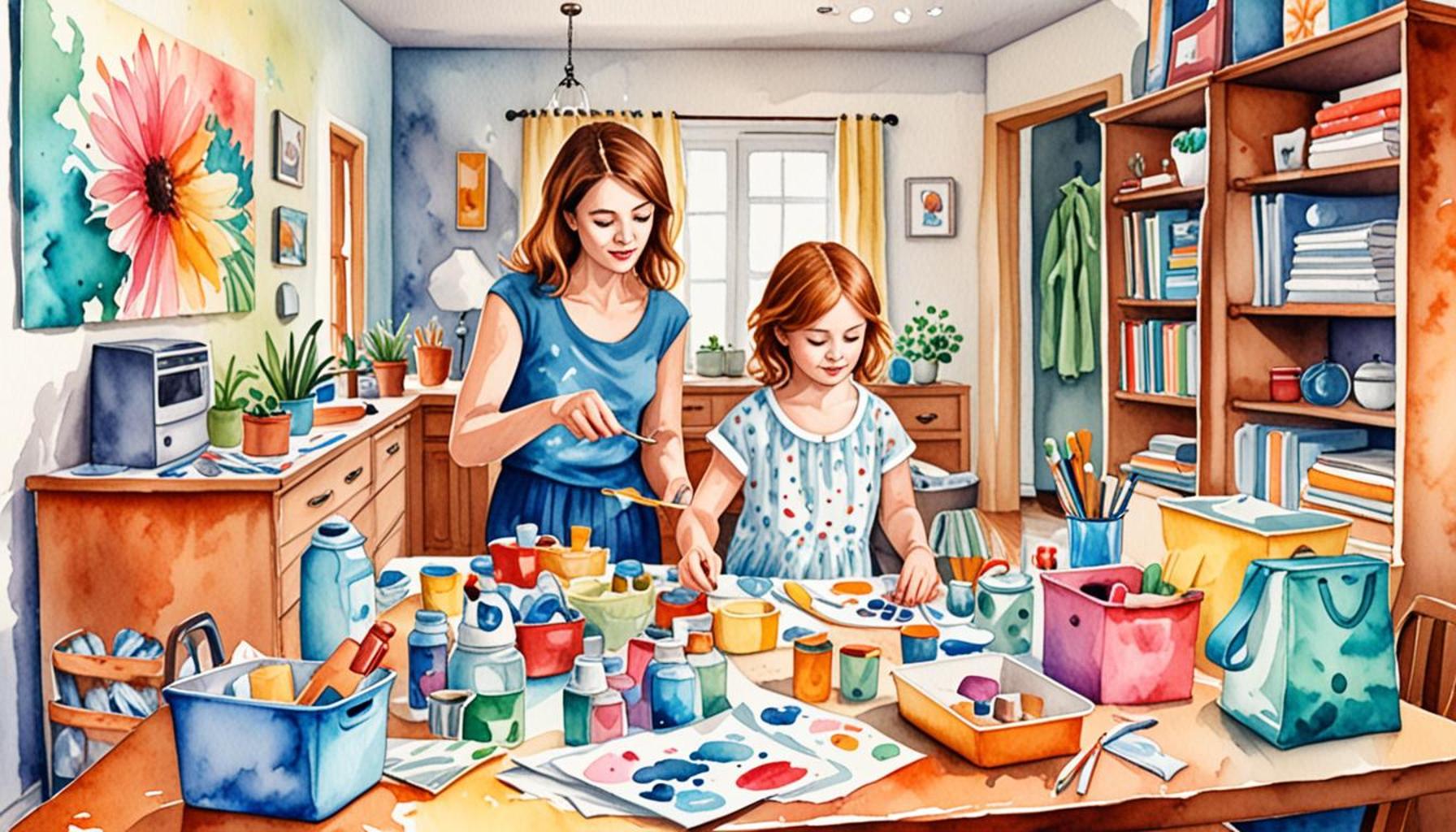
Clutter isn’t merely an external issue; it often serves as a manifestation of the busy lives we lead, filled with the constant juggle of responsibilities and expectations. Whether it’s the toys scattered across the floor in a family home or the stacks of papers piling up on the dining table, clutter can quickly become overwhelming. This creates an environment that feels chaotic and unwelcoming, impacting not just physical space but also mental well-being. Engaging all family members in home organization can work wonders—turning what was once a source of frustration into an orderly haven, thereby fostering a sense of peace and heightened productivity.
The Costs of Clutter
Recognizing the implications of clutter is essential for cultivating a healthier living environment. The negative effects extend beyond mere aesthetics and can lead to:
- Increased stress levels: A cluttered space can elevate anxiety and serve as a constant distraction, making it hard to concentrate. Studies show that individuals in cluttered environments often feel overwhelmed, which may impede decision-making and lead to chronic stress.
- Time wastage: In a busy household, the time spent searching for misplaced items can add up. On average, individuals lose about an hour each day looking for things they can’t find—equating to a staggering 15 days annually! For families in Nigeria, where time management is crucial for juggling work, school, and chores, this becomes particularly pertinent.
- Financial implications: The financial costs associated with clutter can be significant. Families may find themselves purchasing duplicate items simply because they couldn’t locate the originals, leading to wastefulness. For instance, buying a second set of kitchen utensils because the first set is lost in a chaotic kitchen can have a noticeable effect on the family budget.
Inclusive Strategies for All
Involving the entire family in efforts to declutter and simplify can significantly enhance the experience. Consider implementing the following strategies that resonate well in a Nigerian context:
- Create a family decluttering day: Dedicate a specific day where everyone pitches in to tackle the clutter together. This can become a fun family activity, perhaps accompanied by music and refreshments, transforming a chore into a bonding experience.
- Set specific goals: Take time to identify particular areas in your home needing attention—be it the storeroom or the children’s play area. Setting achievable targets can make the process less daunting and more manageable.
- Encourage ownership: Allow family members to make decisions about which items to keep or discard. This approach fosters a sense of responsibility and can make individuals more invested in maintaining an organized space moving forward.
By adopting these strategies, families in Nigeria and beyond can achieve a harmonious living space that genuinely reflects their values and lifestyles. Decluttering does not have to be a tedious task; with creativity and collaboration, it can become an engaging experience for everyone involved! Exploring further into community-based organization workshops could also enhance this experience, enabling families to share resources and tips with one another.
YOU MAY ALSO LIKE: Read read another article
Embracing a Collaborative Approach to Decluttering
In today’s fast-paced world, clutter can easily pile up, clouding not just our living spaces but also our minds. In Nigeria, where communal living and familial relationships are deeply engrained in everyday life, the importance of decluttering cannot be overstated. A collaborative approach to decluttering can transform the daunting task of organizing a home into an engaging family activity. By involving every family member, the responsibility of maintaining order is shared, fostering unity and enhancing connections. This communal effort not only alleviates the burden of disorganization but also turns what could be a tedious chore into an opportunity for bonding.
Establishing a Family Culture of Organization
To initiate this collective effort, creating a family culture that values organization is crucial. Open discussions about clutter’s impact on daily life can help family members understand its significance. For instance, engaging children in conversations about how they struggle to focus on homework due to a messy environment can hit home. Relatable scenarios, such as the stress of searching for misplaced items before school or the chaos of preparing meals in a cluttered kitchen, underscore the necessity of a tidy home.
Moreover, consider implementing the following strategies to cement organization as a family priority:
- Organized Family Meetings: Designate a day for regular family meetings focused on home organization. These gatherings can be informal and fun, allowing each member to share their thoughts and ideas on decluttering. For example, a child might express that their bedroom is getting too cluttered with toys, prompting discussions on how to sort and donate unused items. By giving everyone a voice, you create an environment where family members feel valued and invested in the decluttering process.
- Introduce a Reward System: To encourage participation, implement a reward system that recognizes effort and progress. For example, families can establish a points system where tasks, such as organizing a closet or cleaning up shared spaces, earn points toward a family outing, like visiting a local attraction or enjoying a special meal. This not only boosts motivation but also reinforces teamwork and the joy of shared successes.
- Declutter as You Go: Encourage family members to integrate decluttering into their daily routines. Establishing a ‘ten minutes a day’ habit can make a significant impact over time. For instance, setting aside just ten minutes to organize school supplies or tidy up living areas can lead to noticeable improvements. This simple approach minimizes overwhelm, making decluttering a manageable part of family life.
By fostering a collaborative mindset and implementing these strategies, families in Nigeria can cultivate a culture that appreciates the value of organization and mindfulness. In a society where community and family ties are paramount, promoting collective decluttering efforts can transform what is often seen as a mundane task into a joyous family tradition. Annual family decluttering days can become celebrations, filled with laughter, teamwork, and memories that strengthen the fabric of familial relationships. Ultimately, by embracing this approach, families can learn to navigate clutter effectively while cherishing the moments spent together, fostering harmony both in their homes and in their hearts.
Understanding the Core Strategies for Clutter Reduction
When it comes to tackling the messy realities of family life, engaging everyone in home organization is essential. Families often face challenges when trying to reduce clutter, as different members have varied attachment levels to their belongings. However, implementing effective strategies can foster collaboration and create a more harmonious living environment. One of the most impactful strategies is implementing a family decision-making process. Encourage each member to participate in discussions regarding what items should be kept, donated, or discarded. This cooperative approach not only reinforces responsibility but also empowers children and adults alike to understand the concept of valuing space and belongings. Another effective technique is setting designated spaces for each family member. This promotes a personal connection to the organization efforts while also making maintenance easier in the long run. Moreover, utilizing clear bins or labeled boxes can greatly enhance organization and transparency, making it clear where items belong. Introducing regular decluttering days as a family event can also boost engagement. This can transform what may seem like a daunting task into a fun, collaborative activity. Adding incentives, such as rewards for completed tasks, can motivate family members to participate actively.Lastly, teaching children the importance of minimalism from an early age lays the foundation for lifelong organizational skills. This education can help future generations to adopt a simplified lifestyle, reducing clutter significantly in their own families down the line.By employing these strategies, families can foster an environment of cooperation and harmony, ultimately leading to a more organized and simplified home. Engaging everyone in the process not only eases the burden of decluttering but also cultivates a sense of shared accomplishment.
| Strategy | Description |
|---|---|
| Family Decision-Making | Involves all members to discuss what to keep or discard |
| Designated Personal Spaces | Assigning areas for each member to encourage ownership |
| Decluttering Days | Designated times to tackle clutter as a family activity |
| Teaching Minimalism | Educating children on the benefits of a simplified lifestyle |
SEE ALSO: Click here to read another article
Empowering Individual Responsibilities for Collective Success
While a collaborative approach sets the stage for decluttering, empowering each family member with individual responsibilities is essential for ensuring long-term success. By assigning specific tasks to each individual, families can foster a sense of ownership over their belongings. This empowerment encourages everyone to actively participate in the organization process, reinforcing the idea that a clean and clutter-free home is a shared goal.
Designate Personal Spaces
Every family member should have a personal space that reflects their tastes and preferences, whether it’s a bedroom, a shared living room corner, or a shared workspace. Encouraging individuals to maintain these areas can help them understand the significance of both personal responsibility and collective harmony. For instance, a teenager might prefer to arrange their study area to enhance focus, while younger children may find joy in arranging their toys in a creative manner. These personalized touches boost their confidence and engagement in decluttering.
Implement the ‘One In, One Out’ Rule
To maintain an organized space and prevent future clutter, families can adopt the ‘One In, One Out’ rule. This principle states that for every new item brought into the home, an existing item must be removed. This strategy provides a tangible way for families to evaluate their belongings critically. Moreover, it encourages discussions on needs versus wants, opening up valuable lessons about financial management, sustainability, and mindful consumption. Children can be taught to appreciate their current possessions while pondering the true value of new items, fostering an underlying philosophy of minimalism.
Creating an Engaging Decluttering Challenge
Introducing a friendly competition can further enhance family participation in decluttering efforts. Families can turn the tedious task of sorting out clutter into a fun game. For instance, they can set a timer for a designated period, say one hour, and see who can declutter the most effectively, whether by sorting items to keep, donate, or discard. This not only builds teamwork but also incites excitement around clutter reduction. Rewards or recognition can be creative—maybe the winner gets to choose the family movie for movie night or a small treat, making the process enjoyable and encouraging ongoing engagement.
Adopt Digital Organization
In an era where technology dominates, transitioning to digital information management can significantly reduce physical clutter. Families can digitize documents, photos, and even children’s artwork, allowing them to maintain cherished memories without physical copies taking up valuable space. Applications designed for organization, such as inventory or family planning apps, help streamline daily tasks and keep track of belongings. Teaching children to use these tools not only aids in decluttering but also equips them with essential digital skills for their future.
These strategies create a comprehensive framework for engaging the entire family in clutter reduction. By fostering personal accountability, incorporating engaging activities, and utilizing modern technology, homes can transform into serene, harmonious spaces. The transformation of cluttered areas into organized havens promotes not just physical cleanliness, but a profound mental clarity that enhances family relationships and interactions, creating a more peaceful living environment for all.
YOU MAY ALSO LIKE: Read read another article
Conclusion: A Unified Approach to Clutter Reduction
As families navigate the journey of clutter reduction, it is essential to realize that the quest for a simplified and organized home is not just about tidiness—it is about fostering stronger relationships, enhancing mental clarity, and instilling valuable life skills. The strategies discussed, from empowering individual responsibilities to adopting engaging activities, provide a holistic approach that encourages every family member to contribute meaningfully to their shared living space.
The concept of designating personal spaces empowers individuals to take ownership of their environment, while the ‘One In, One Out’ rule cultivates critical thinking about consumption. Additionally, transforming decluttering into a friendly challenge adds an element of excitement, turning what can often be a tedious task into a bonding experience. Lastly, the embrace of digital organization not only reduces physical clutter but also prepares family members, particularly the younger generation, for a tech-driven future.
For families in Nigeria and beyond, these strategies can pave the way for cultivating a sense of community and collaboration at home. As families engage in this transformative process together, they not only create a serene space but also lay the groundwork for lifelong habits of mindfulness and organization. In embracing these principles, families can not only achieve a clutter-free home but can also enhance their overall quality of life, fostering a vibrant, functional environment that welcomes creativity and connection.

Linda Carter
Linda Carter is a writer and organization expert specializing in minimalism and personal organization. With extensive experience helping individuals create clutter-free, functional spaces and adopt mindful habits, Linda shares her knowledge on our platform. Her goal is to empower readers with practical advice and strategies to simplify their lives, stay organized, and achieve a sense of calm and balance in their daily routines.