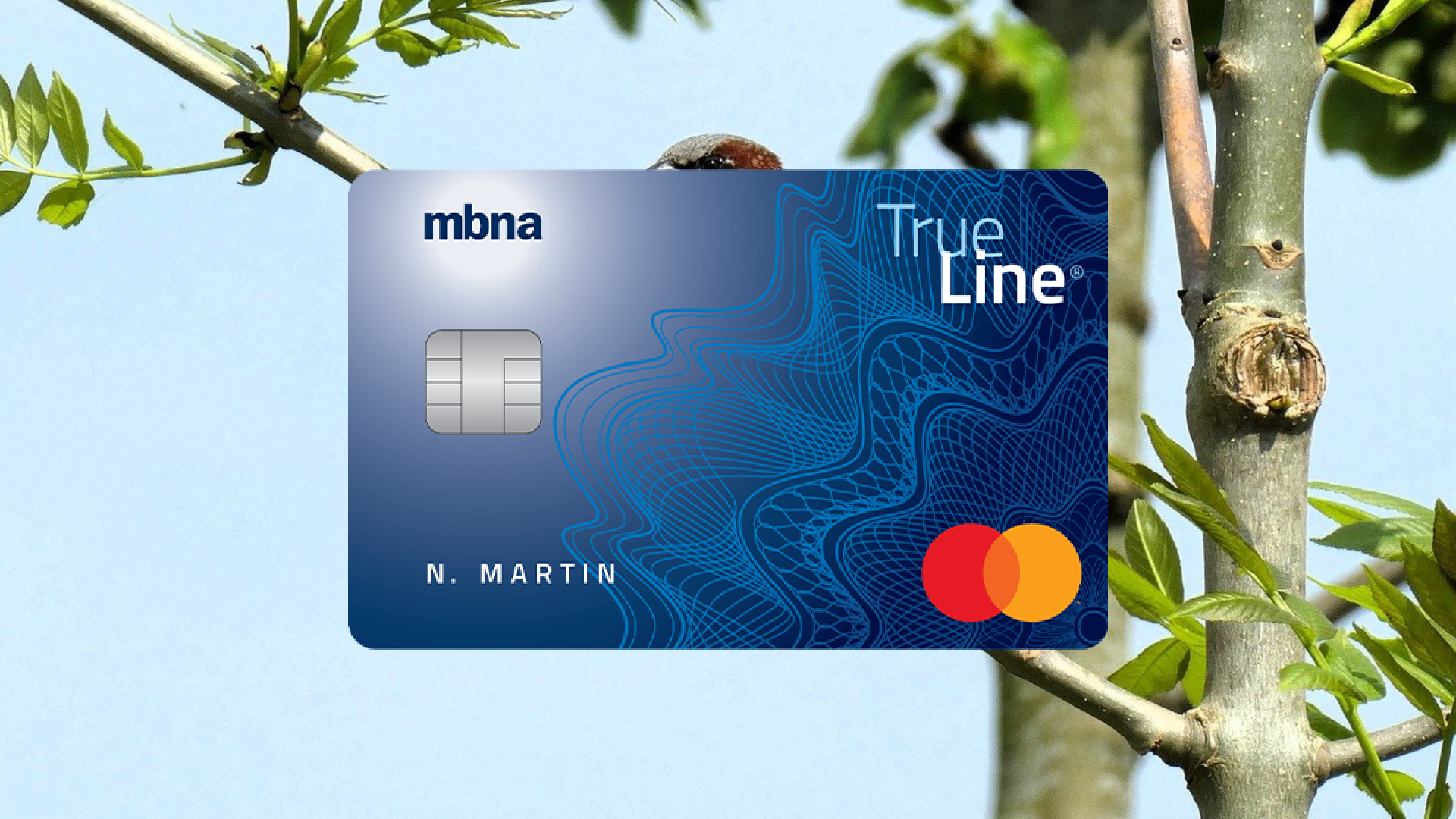
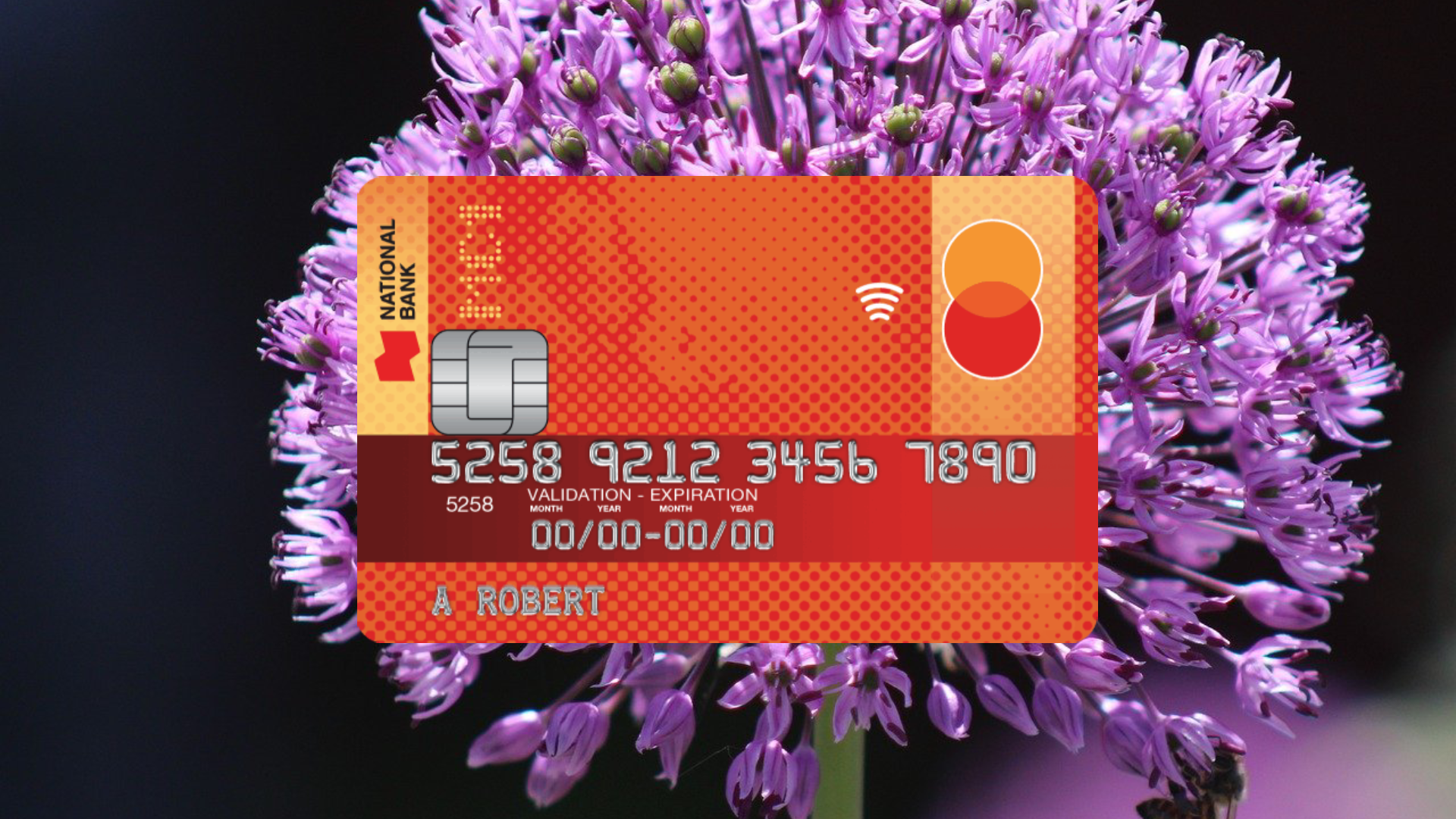
The Benefits and Drawbacks of Using Credit Cards in Daily Life

Understanding Credit Cards
Credit cards serve as a popular financial instrument in Canada, greatly aiding individuals in managing their purchasing needs and overall expenses. Despite their widespread use and utility, it is vital to weigh both the positive and negative aspects before incorporating them into your financial regimen.
Benefits of Credit Cards
Many users appreciate credit cards for various reasons, which enhances their appeal in everyday financial transactions. Here are several key advantages:
- Convenience: Credit cards are designed for easy portability and can be seamlessly used for online shopping or in-store purchases. For example, Canadians often use cards to pay for groceries or enjoy a meal out, skipping the hassle of carrying cash while still being able to maintain a detailed record of their transactions.
- Rewards Programs: Numerous credit cards provide enticing rewards schemes, allowing users to accumulate points, miles, or cashback on their purchases. For instance, a cardholder might earn 1.5% cashback on all purchases, which can add up significantly over time. Many Canadians leverage these rewards to benefit from travel discounts or to save money on future purchases.
- Building Credit History: By using credit wisely and making prompt payments, consumers can enhance their credit score. This improved score is instrumental when applying for larger loans, such as mortgages or car loans, as it signals to lenders a responsible and reliable borrowing history.
Potential Drawbacks of Credit Cards
While the advantages are considerable, potential users must also recognize the risks associated with credit cards. Here are some critical downsides to consider:
- Debt Accumulation: High-interest rates on unpaid balances can lead to significant debt. For example, if a cardholder carries a balance of $1,000 at a 20% interest rate without making timely payments, they may find themselves owing substantially more over time, making repayment increasingly difficult.
- Temptation to Overspend: The ease of swiping a credit card may lead to impulsive buying behaviors. Many Canadians fall prey to this temptation, using credit cards to make purchases they don’t need, which can lead to financial strain if not monitored carefully.
- Impact on Credit Score: Late or missed payments can severely harm one’s credit score, making it more challenging to secure favorable loan terms in the future. A poor credit score can lead to higher interest rates on future debts, which can create a cycle of financial hardship.
Understanding both the benefits and the potential drawbacks of credit cards empowers individuals to make informed financial decisions. By utilizing credit cards responsibly, consumers can reap benefits while avoiding pitfalls, ultimately enhancing their financial health in Canada.
DISCOVER MORE: Click here to learn how to apply for the Amex Business Platinum Card
The Impact of Credit Cards on Personal Finance
Using credit cards can significantly influence personal finance in various ways, providing individuals with not just the means to purchase goods and services, but also tools that can either strengthen or weaken their financial stability. Below, we will delve deeper into the advantages that come with using credit cards in daily life.
Advantages of Credit Cards in Daily Life
Credit cards bring numerous benefits that can enhance everyday financial activities. Here are some specific advantages to consider:
- Emergency Funds: Credit cards can serve as a safety net during unexpected financial emergencies. For instance, if an unforeseen expense arises, such as a car repair or medical bills from an accident, accessing credit can provide immediate relief while you manage your cash flow. This means that instead of scrambling to pay for a $500 car repair bill, you can charge it to your credit card and pay it off in installments, which can prevent financial hardship and allow individuals to prioritize essential payments without disrupting their budget.
- Fraud Protection: Many credit cards offer robust fraud protection features that help safeguard users against unauthorized charges. If a cardholder notices suspicious activity—such as a series of transactions they did not make—they can report it to their card issuer, who can quickly freeze the account and investigate. In Canada, most credit card companies have policies that require consumers to report fraud promptly, and as long as one does so, they are typically not liable for unauthorized charges, offering peace of mind compared to using cash or debit cards.
- Tracking Expenses: Credit cards make it easier to keep a detailed record of spending. Most card issuers provide monthly statements that categorize expenditures, enabling users to analyze their spending habits effectively. This transparency aids in budgeting; for example, if you notice you consistently overspend on dining out, you can adjust your habits accordingly. Understanding your spending trends is crucial for maintaining financial health.
- Global Acceptance: When traveling, credit cards are widely accepted around the world, reducing the need for currency exchange and allowing for hassle-free transactions. For Canadians planning to travel abroad, having a credit card can enhance convenience and eliminate the worry of carrying large amounts of foreign cash. Many credit cards also offer favorable exchange rates and don’t charge foreign transaction fees, which can save you money during international excursions.
While the benefits of credit cards are enticing, it is essential to strike a balance and be aware of potential drawbacks that can accompany their use. For instance, it’s crucial to pay off the full balance each month to avoid interest charges. Understanding these disadvantages will allow individuals to approach credit cards with caution and responsibility, protecting their financial well-being.
Ultimately, credit cards can be valuable financial tools when used wisely. They can help establish and build credit scores, leading to better loan rates in the future. By harnessing their advantages while remaining vigilant against the pitfalls, Canadians can enhance their personal finance management and achieve greater stability in their financial lives.
DISCOVER MORE: Click here to find out how to apply
Understanding the Drawbacks of Credit Card Use
While credit cards offer numerous benefits, it’s vital to acknowledge the potential drawbacks that can arise from their usage. Understanding these challenges can help individuals make informed decisions about their financial health and protect themselves from unnecessary debt. Here are some significant drawbacks to consider:
Drawbacks of Credit Cards in Daily Life
- High Interest Rates: One of the most concerning aspects of credit cards is the potential for extremely high interest rates on carried balances. If cardholders fail to pay their full balance each month, they may incur interest charges as high as 20% or more. For instance, if a person has a balance of $1,000 and carries it for several months while only making minimal payments, they may find themselves paying significantly more for their purchases over time. This accumulation of interest can quickly lead to substantial debt.
- Impulse Spending: The ease of using a credit card can encourage impulse buying, leading individuals to spend beyond their means. It’s often easier to swipe a card than to hand over cash, which can create a disconnect between spending and the reality of personal finances. For example, someone might find themselves purchasing items they hadn’t planned for—like dining out, shopping for clothes, or buying the latest gadgets—only to regret the financial impact later. This behavior can snowball into a cycle of overspending and debt accumulation.
- Credit Score Implications: Mismanaging credit cards can harm credit scores, affecting a person’s ability to secure loans or favorable interest rates in the future. Factors such as making late payments, exceeding credit limits, or carrying high balances relative to credit limits (known as credit utilization ratio) can contribute to a lower credit score. For example, if an individual frequently misses payment deadlines or utilizes 80% of their credit limit, it can lead to a significant drop in their score, making it more challenging to obtain credit when needed.
- Fees and Charges: Credit cards can come with various fees that can catch users off guard. Annual fees, late payment fees, and foreign transaction fees can add up quickly, impacting one’s finances. For instance, some credit cards marketed as having rewards programs require an annual fee. If an individual isn’t utilizing the card enough to justify the fee, they might end up losing money instead of gaining from the perks. Furthermore, failing to read the fine print can result in unexpected charges that strain a budget.
This combination of high interest, susceptibility to impulsive spending, and the potential to negatively affect credit scores highlights the importance of responsible credit card use. While they can be excellent tools for managing finances when used wisely, being aware of these drawbacks will empower Canadians to navigate their credit utilization smartly. Making informed choices can enhance financial literacy, leading to healthier spending habits and a more stable economic future.
DISCOVER MORE: Click here to learn how to apply
Conclusion
In summary, using credit cards in daily life carries both significant benefits and noteworthy drawbacks. On one hand, credit cards can provide convenience, rewards, and a means of building a positive credit history. They offer individuals the flexibility to manage their finances and allow for emergency purchases when immediate cash flow is unavailable. Additionally, the ability to earn points or cashback on everyday expenses enhances their appeal, making them a useful financial tool.
However, it is essential to approach credit card use with caution to avoid the potential pitfalls associated with them. High interest rates, impulsive spending, negative impacts on credit scores, and hidden fees can lead to financial strain if not managed properly. Canadians need to maintain awareness of their spending habits and educate themselves on the terms associated with their credit cards. Creating a budget, paying bills on time, and understanding the importance of paying off the balance each month can help mitigate these drawbacks.
Ultimately, the key to benefiting from credit cards lies in maintaining a responsible approach. By recognizing both the advantages and disadvantages, individuals can make informed decisions that enhance their financial well-being, forge healthy spending habits, and foster a greater understanding of personal finance. With diligence and discipline, credit cards can serve as a valuable asset rather than a source of financial distress.