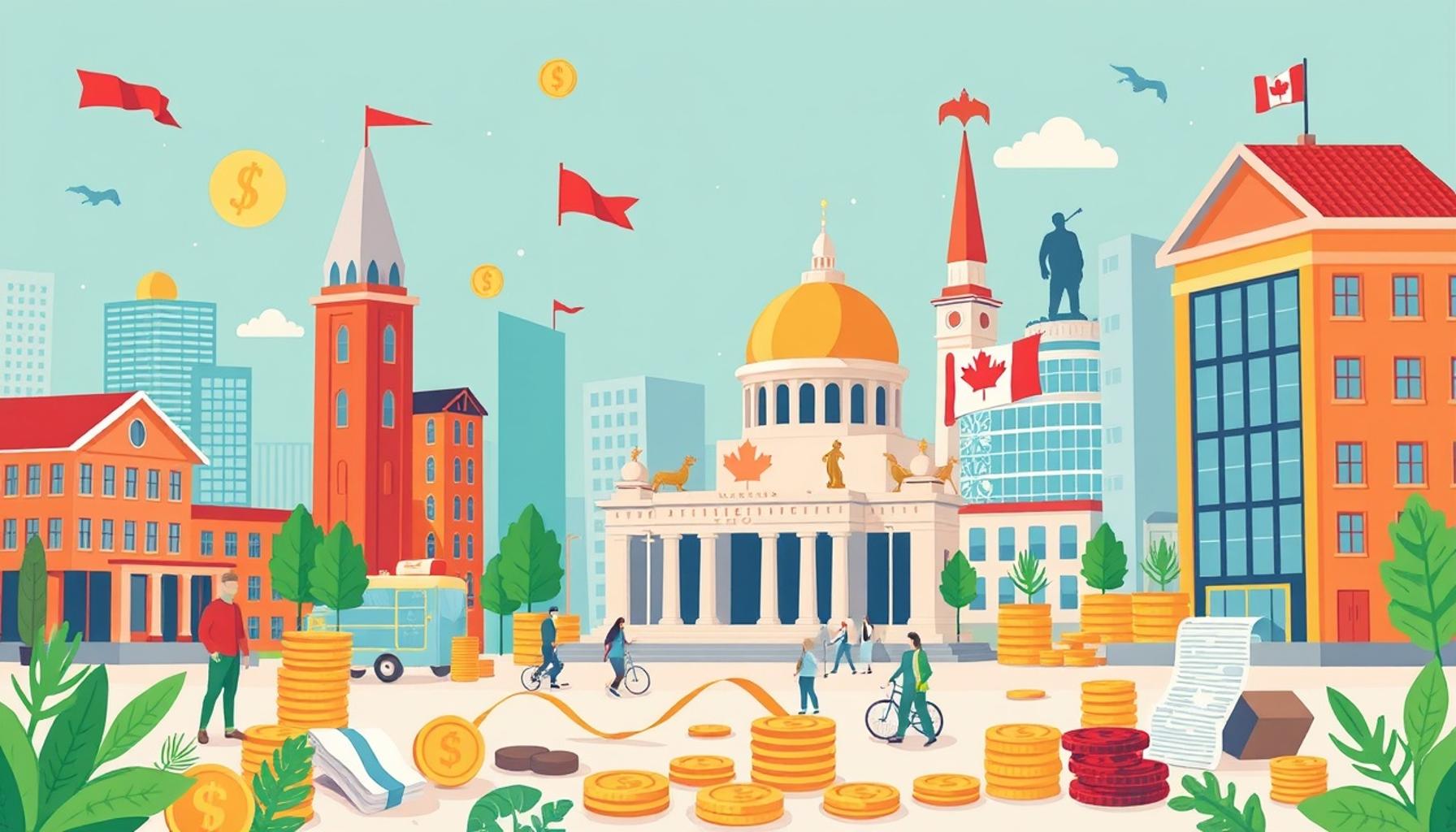
Trends in financial planning for retirement in Canada

The Changing Landscape of Retirement Planning in Canada
In today’s financial environment, Canadians are recognizing the importance of adapting their retirement plans to fit their unique circumstances. With longer life spans and the rising cost of living, a comprehensive financial strategy has become essential for achieving a secure retirement. This requires an understanding of various financial tools and approaches available to individuals seeking to build a stable future.
Increased Focus on Health Care Costs
One of the most significant factors influencing retirement planning is the potential impact of health care expenses. Many Canadians are aware that as they age, health-related costs can add up quickly, particularly if long-term care becomes necessary. It’s not uncommon for retirees to find themselves facing unexpected medical bills, which can significantly reduce their savings.
For example, a retiree might need to budget for prescription medications, physiotherapy, or even home modifications for accessibility. Understanding the costs associated with these needs and incorporating them into retirement plans is crucial. Some individuals are even exploring health care insurance options that can help offset these expenses, ensuring they don’t run out of savings due to medical emergencies.
Emphasis on Diversified Income Streams
Relying exclusively on government pensions, such as the Canada Pension Plan (CPP) and Old Age Security (OAS), is becoming increasingly rare. Instead, retirees are seeking diversified income streams to ensure financial stability. This diversification could include investment portfolios, rental properties, and even business ventures.
For instance, retirees might choose to invest in real estate, generating rental income that can supplement their pensions. Additionally, dividend-paying stocks or mutual funds can provide an ongoing income source. By exploring various income avenues, individuals can create a more robust financial cushion for their retirement years.
Utilization of Technology
In an era where technology shapes nearly every aspect of daily life, retirement planning is no exception. Many Canadians are turning to digital tools and applications to help them manage their finances. These tools allow users to track expenses, set budgets, and monitor retirement savings in real-time, empowering them to make informed decisions.
For example, budgeting apps can help individuals visualize their spending habits, prompting them to identify areas where they can save more. Retirement calculators can project future savings and help determine how much needs to be saved monthly to achieve retirement goals. These technological advancements make it easier to stay organized and proactive about financial health.
Interest in Sustainable Investing
Another pivotal trend among Canadian retirees is the growing interest in sustainable investing, or Environmental, Social, and Governance (ESG) investing. Many Canadians are now considering how their investments align with their values, opting for portfolios that support socially responsible companies.
This could mean investing in businesses focused on renewable energy, ethical labor practices, or community development. Such investments are not only expected to yield financial returns but also contribute positively to society and the environment. As more Canadians prioritize sustainability, this trend is set to shape the future of retirement portfolios.
Planning for a Fulfilling Future
As these trends in retirement planning evolve, understanding the financial tools and strategies available is vital for Canadians. By staying informed and adapting their approaches, individuals can work toward a secure and fulfilling retirement. With careful planning, a focus on diversified income, the use of technology, and a commitment to sustainable investing, Canadians can lay the groundwork for a prosperous future, regardless of the challenges that may arise.
DISCOVER MORE: Click here to learn how to apply
Modern Approaches to Retirement Financial Planning
As the landscape of retirement planning continues to shift, Canadians are increasingly embracing innovative strategies to secure their financial futures. Understanding these evolving trends is crucial for effectively preparing for retirement. Below are some of the most prominent strategies gaining traction in Canada.
Enhanced Retirement Contributions
In response to rising costs and longer life expectancies, many Canadians are now prioritizing increased contributions to their retirement funds. With the introduction of programs such as the Tax-Free Savings Account (TFSA) and enhanced Registered Retirement Savings Plans (RRSPs), individuals have more opportunities than ever to save without the burden of taxes eroding their gains.
For example, adding even a small amount to these accounts can significantly increase retirement savings over time due to the power of compound interest. Canadians are also encouraged to take full advantage of employer matching contributions when available. This not only maximizes their savings but also leverages company funds to enhance their retirement nest egg.
Planning for Longevity: Shifting Retirement Ages
As longevity increases, so does the necessity to rethink retirement ages. Many Canadians are opting to work longer, either by choice or necessity, which can positively impact their financial health. The median retirement age in Canada has risen gradually, with many individuals finding fulfillment in extending their careers or taking on part-time positions post-retirement.
By delaying retirement, individuals can:
- Increase their retirement savings during the additional working years.
- Boost their CPP and OAS benefits by contributing for a longer period.
- Engage in social and professional networks, enhancing mental and emotional well-being.
It is important for Canadians to factor in their personal and professional goals when considering an adjusted retirement timeline. Thus, the trend fosters a sense of empowerment, allowing individuals to feel more in control of their financial destinies.
Adapting to Economic Uncertainty
The fluctuating economic landscape in Canada has led many retirees to adopt a more cautious approach to their investments. With market volatility and uncertain financial conditions, individuals are re-evaluating their risk tolerance levels and focusing on preserving capital. This means that retirees are increasingly turning to safer investment options, such as bonds or guaranteed investment certificates (GICs), to safeguard their savings.
Moreover, there is a push to reassess and diversify investment portfolios continually. Having a mix of assets helps mitigate risks associated with economic fluctuations. Retirees are encouraged to consult with financial advisors to create tailored strategies that address both current market conditions and their personal risk profiles.
Education and Awareness in Financial Literacy
The rise in financial literacy programs across Canada is another trend shaping retirement planning. More Canadians are seeking knowledge about finances, which empowers them to make informed decisions regarding their retirement strategies. Financial education initiatives, seminars, and workshops are becoming increasingly popular, offering valuable insights into subjects such as:
- Investment strategies
- Tax implications
- Estate planning
By enhancing their financial literacy, retirees are better equipped to navigate the often-complex world of retirement planning, ensuring a more secure and comfortable future.
DISCOVER MORE: Click here to learn how to apply
Embracing Technology in Retirement Planning
As technology becomes an intrinsic part of everyday life, it is also revolutionizing how Canadians approach retirement planning. Digital tools and platforms are making financial management more accessible and efficient, allowing individuals to take charge of their financial futures. Financial planning apps, online investment tools, and robo-advisors are being adopted widely, democratizing access to financial advice and resources.
Utilizing Financial Planning Software
One of the most significant advancements has been the availability of comprehensive financial planning software that assists users in building tailored retirement plans. These tools can automatically calculate future financial needs, assess current savings, and present various retirement scenarios based on different income streams and lifestyles. For example, platforms like Wealthsimple and Questrade provide user-friendly interfaces that allow Canadians to manage their investments efficiently while gaining insights into how much they need to save for retirement.
This technology not only simplifies the financial planning process but also encourages people to engage more actively with their retirement goals. By visualizing their progress toward financial milestones, individuals can stay motivated and make timely adjustments to their savings strategies when necessary.
Increased Use of Social Media for Financial Insights
Another trend is the rise in financial literacy content available through social media platforms. Canadians are increasingly turning to blogs, YouTube channels, and podcasts to gather tips and strategies related to retirement planning. Influencers and financial experts are making complex concepts more accessible through informal formats, enabling users to learn at their own pace. This surge in online financial education has empowered many individuals to ask questions and seek personalized advice based on their unique circumstances.
For instance, platforms like Instagram and Twitter feature various financial coaches who share insights related to budgeting, investing, and preparing for retirement, allowing followers to stay informed about the latest trends and best practices without the barrier of traditional financial advice, which may feel intimidating for some.
Holistic Financial Planning Approaches
Finally, there has been a noticeable shift towards holistic financial planning strategies that encompass not just investment but also consider the emotional and psychological aspects of retirement. This involves building a comprehensive plan that encompasses health care, lifestyle choices, and personal aspirations, allowing Canadians to prepare not only financially but also mentally for retirement.
Financial advisors now often focus on how to maximize joy and satisfaction in retirement, rather than simply accumulating wealth. A well-rounded plan might include exploring options for continuing education, volunteering, or engaging in hobbies that will provide fulfillment during retirement. This more comprehensive approach facilitates a smoother transition into this new life stage, as individuals can visualize their lives beyond just financial stability.
Incorporating Sustainable and Ethical Investment Strategies
Another emerging trend is the growing interest in sustainable and ethical investing. Many Canadians are becoming socially conscious investors, seeking to align their investment choices with their values. This includes considering Environmental, Social, and Governance (ESG) factors when selecting investment vehicles. Retirement plans now increasingly feature funds that emphasize sustainability, allowing individuals to invest in companies that support positive social change.
For instance, an investor might choose a mutual fund that prioritizes renewable energy companies or supports diverse workplace practices. By integrating these values into their retirement planning, Canadians not only work towards financial growth but also contribute to initiatives that align with their personal beliefs.
LEARN MORE: Click here for details on how to apply
Conclusion
In summary, the landscape of retirement planning in Canada has experienced significant transformations, driven largely by technology, increased access to financial education, and a shift towards more holistic and ethical investment strategies. Canadians are increasingly utilizing digital tools and platforms that not only simplify the financial planning process but also foster greater engagement with personal financial goals. Whether through user-friendly financial planning software or informative content available on social media, individuals can now take proactive steps toward securing their financial futures.
Moreover, the movement towards holistic financial planning acknowledges that preparing for retirement goes beyond mere numbers. It incorporates emotional and mental well-being, enabling Canadians to envision fulfilling lives during their retirement years. The popularity of sustainable and ethical investing further allows individuals to align their financial decisions with their values, ensuring that their retirement savings contribute positively to society.
As we look toward the future, it is essential for Canadians to remain adaptable and educated about these evolving trends in retirement planning. By embracing technology, enhancing their financial literacy, and incorporating personal values into investment strategies, individuals can work towards not just a comfortable retirement, but a meaningful one that resonates with their aspirations and beliefs. Ultimately, a proactive approach to retirement planning today paves the way for greater financial security and personal satisfaction tomorrow.