Creating Open Spaces: Minimalist Design Techniques for Compact Environments in Nigeria
Understanding Urbanization and Its Challenges
As urbanization accelerates across Nigeria, cities like Lagos, Abuja, and Port Harcourt are witnessing significant population growth. With increasing numbers of residents comes the challenge of compact living, where space is often at a premium. This reality leads to a pressing need for innovative solutions that address the limited availability of land and resources while enhancing the quality of life for urban dwellers.
In bustling neighborhoods, high-rises and densely packed homes are common sights, resulting in a cacophony of urban noise and activity. Consequently, the creation of open spaces within these compact environments becomes a necessity. Parks, community gardens, and rooftop terraces not only provide a respite from daily congestion—they also play a crucial role in improving mental health and fostering a sense of belonging among residents.
Embracing Minimalist Design Techniques
To maximize the potential of limited spaces, minimalist design techniques can be invaluable. This approach prioritizes simplicity and functionality, transforming snug quarters into welcoming sanctuaries. As urban Nigerians continue to navigate increasingly dense living conditions, understanding these techniques can lead to better design choices. Here are some essential principles:
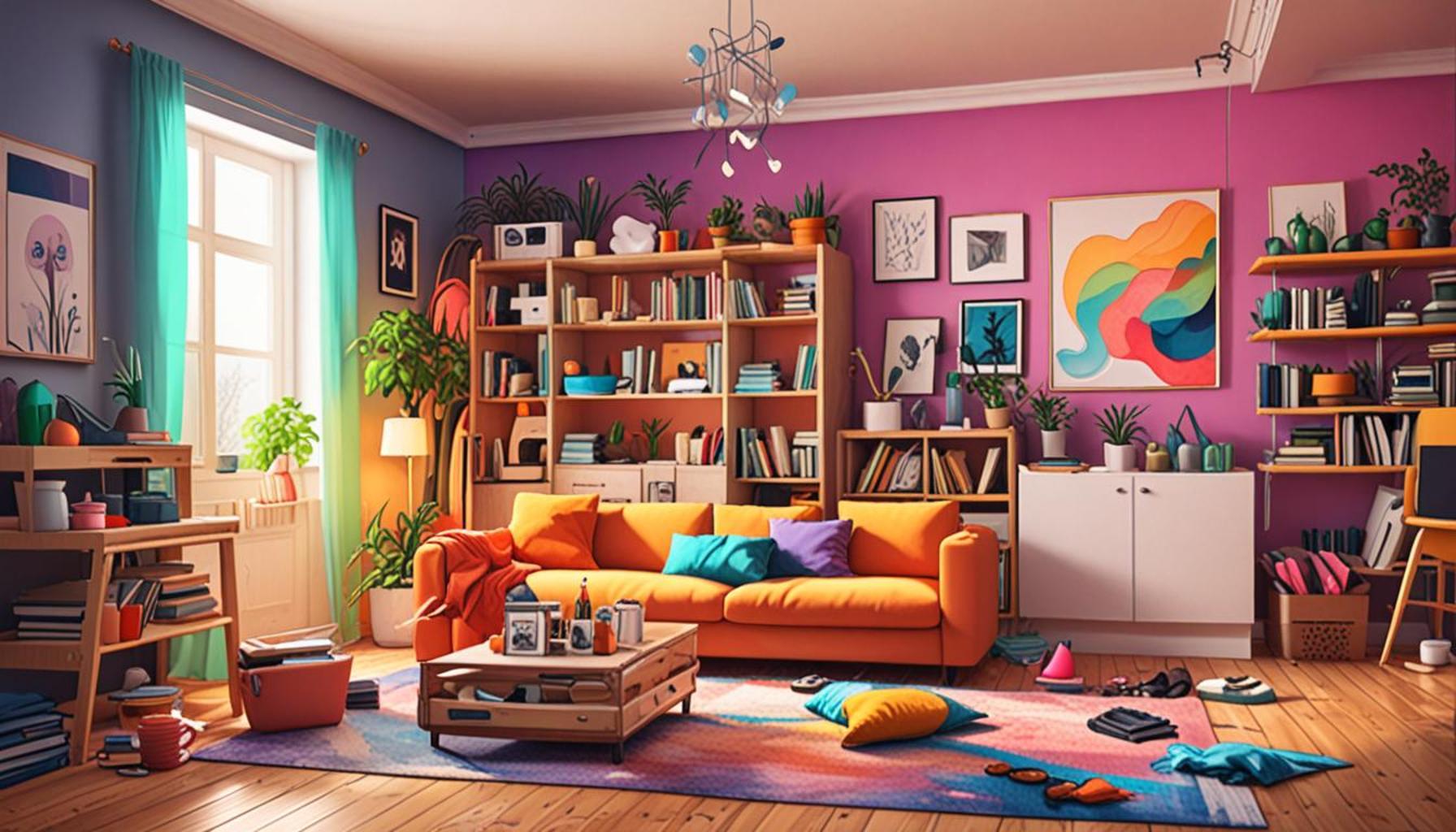
- Declutter: In smaller living spaces, the principle of decluttering is key. Removing unnecessary items can significantly enhance the overall sense of openness and calm. For instance, a living room filled with bulky furniture might feel cramped, whereas a well-organized, minimalist space allows for better movement and comfort.
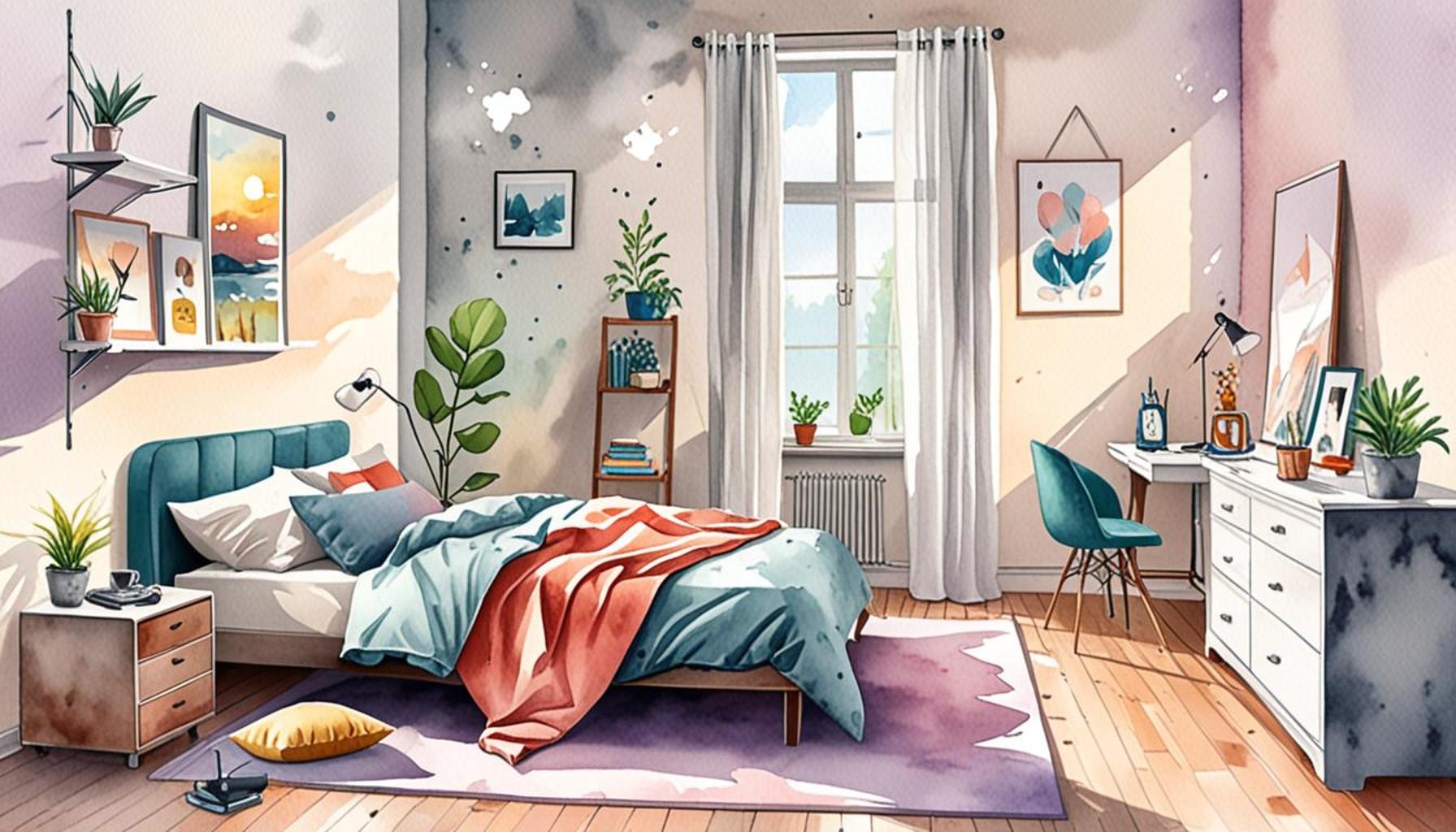
- Neutral color palettes: Implementing light and neutral shades in home decor can dramatically change how a space feels. Colors like soft whites, light grays, and pastel tones reflect light effectively, making rooms appear larger and more airy. This is especially pertinent in cities like Abuja, where sunlight can fill a room, highlighting the beauty of a well-thought-out color scheme.
- Multi-functional furniture: Selecting furniture that serves multiple purposes is another cornerstone of minimalist design. For example, a storage ottoman can provide seating while also concealing items like blankets or magazines, thus eliminating visual clutter. In a compact Lagos apartment, a sofa bed may turn an otherwise limited area into a functional guest room.
These design techniques not only optimize living areas but also contribute to a more sustainable lifestyle. A finely tuned living environment can lead to enhanced mental well-being, providing individuals with a calm space to unwind after the hustle and bustle of urban life. As minimalist design gains traction, it encourages residents to make thoughtful choices that positively impact the community, enriching lives and fostering connections.
Conclusion
As Nigeria continues to urbanize, embracing minimalist principles can lead to remarkable transformations within confined spaces. The strategies outlined not only promote more efficient living but also create opportunities for connections among community members, reinforcing the importance of shared spaces in urban environments. As you explore the potential of minimalist design in Nigeria, consider how these approaches can do more than beautify our surroundings; they can shape vibrant urban communities poised for growth amidst the challenges of compact living.
ADDITIONAL INSIGHTS: Expand your understanding here
Innovative Strategies for Compact Living
In the face of rapid urbanization, Nigerian cities are calling for creative and effective strategies to make the most of their limited space. As urban planners and residents alike grapple with the realities of high-density living, the implementation of minimalist design techniques can serve as a crucial toolkit. By focusing on functionality and simplicity, these techniques not only optimize physical space but also elevate the living experience. Here are several innovative strategies that can transform compact environments into functional open spaces:
- Adequate Lighting: Well-planned lighting can dramatically change the perception of space. Incorporating natural light through large windows or skylights increases openness and reduces the need for additional artificial lighting. In Nigerian cities, where sunlight is abundant, this technique can create a warm, inviting atmosphere while maintaining energy efficiency.
- Vertical Gardening: With land in high demand, vertical gardening has emerged as a popular solution for urban dwellers looking to integrate nature into their living spaces. By utilizing walls and vertical structures, residents can cultivate plants without requiring expansive ground area, bringing greenery into compact homes and contributing to better air quality.
- Open Floor Plans: The traditional segmented approach to room design often exacerbates feelings of confinement in smaller homes. Adopting an open floor plan creates a seamless transition between spaces and promotes better flow and interaction, which is especially beneficial in family-oriented homes. In cities like Lagos, where a vibrant atmosphere thrives, creating fluid spaces allows for spontaneous gatherings and enhanced social connections.
These strategies not only serve to save space but also enhance the overall functionality of urban living environments in Nigeria. By creating open areas, residents can enjoy both personal comfort and community interaction. Limited spaces should not inhibit creativity; rather, they should inspire innovative solutions that embrace the diverse lifestyles of urban Nigerian residents.
Importantly, adopting these minimalist design techniques facilitates a mindset shift towards sustainability and resourcefulness. In a world where environmental concerns continue to mount, cultivating open spaces within compact environments can promote biodiversity and contribute to ecological health. As urbanization progresses, it is vital for Nigeria to ensure that design practices not only accommodate its growing population but also align with a vision of a thriving, interconnected community.
Designing for Community and Connection
It is worth noting that the principles of minimalist design extend beyond individual homes. When applied at the community level, these techniques play a significant role in fostering social networks and shared experiences among residents. Thoughtfully designed urban parks, communal gardens, and rooftop lounges can become hubs for interaction, helping to weave the fabric of community life amidst the bustle of the city. By prioritizing open spaces, urban planners and residents alike can create environments that resonate with the essence of togetherness, ultimately contributing to the well-being of all.
Exploring Minimalist Design Techniques in Nigeria
In the quest for creating open spaces within Nigeria’s compact environments, minimalist design techniques play a pivotal role. With urban areas facing rapid population growth and increasing density, the need for efficient yet aesthetically pleasing design has never been more critical. Minimalism in design focuses on simplicity, utilizing space wisely while emphasizing functionality.
One significant aspect of minimalist design is the use of multi-functional furniture. In compact homes and urban apartments, furniture serves dual or even triple purposes, reducing clutter and maximizing utility. Innovative solutions like foldable tables, modular sofas, and storage ottomans are becoming increasingly popular, allowing homeowners to transform their spaces easily. This adaptability not only enhances space but also contributes to a streamlined and refined atmosphere.
Furthermore, the incorporation of natural light can significantly influence the perception of space in minimalist environments. Large windows, skylights, and glass doors can create a sense of openness and connectivity with nature. In a country like Nigeria, where light plays a crucial role in daily life, harnessing sunlight helps brighten interiors, making them feel larger and more welcoming. Enhancing natural light within homes is both an economical approach and a necessary step towards better mental well-being.
Lastly, the integration of soft, neutral color palettes is essential in establishing tranquil spaces. Utilizing whites, creams, and earthy tones can create a soothing environment, helping to visually expand compact areas. Such color schemes can also be paired with vibrant artwork or plants to add character without overwhelming the design. By focusing on fewer, more impactful elements, minimalist design yields a unique balance between beauty and harmony.
| Key Features | Benefits |
|---|---|
| Multi-functional furniture | Maximizes space usage and reduces clutter. |
| Natural light integration | Enhances mood and creates a sense of openness. |
| Soft color palettes | Promotes tranquility and visually expands compact areas. |
These minimalist techniques not only cater to the practical needs of compact living in Nigeria but also embrace beauty and functionality, representing a sustainable approach to modern design. Adopting these strategies can lead to stylish, spacious homes that reflect the unique cultural fabric of Nigeria.
SEE ALSO: Click here to read another article
Maximizing Space with Multifunctionality
In the quest for creating open spaces through minimalist design techniques, the concept of multifunctionality emerges as a key player. This approach champions the idea that each element within a living environment should serve multiple purposes. For instance, furniture that doubles as storage can significantly reduce clutter and maintain an airy feeling in compact homes. In Nigeria, local artisans are increasingly embracing this trend, designing traditional pieces that incorporate clever storage solutions without sacrificing aesthetics.
- Convertible Furniture: The introduction of convertible furniture allows urban residents to adapt their spaces based on their needs. Folding tables and expandable seating can morph from intimate dining experiences to larger gatherings, reflecting the dynamic lifestyles of many Nigerians. This adaptability not only maximizes space but also enriches the living experience, accommodating both solitude and social interaction.
- Outdoor Living Spaces: In a country blessed with a pleasant climate for much of the year, outdoor spaces can be transformed into integral parts of a home. Balconies and terraces can be designed to serve multiple functions, such as dining areas, gardens, or relaxation zones. By using lightweight, easily movable furniture, residents can customize these areas to suit their lifestyle, while integrating nature into their urban dwelling.
- Sheltered Communal Spaces: New apartment complexes and housing estates are beginning to prioritize sheltered communal spaces, a reflection of Nigeria’s tight-knit community culture. These areas can include covered patios, playgrounds, or open-air lounges that can serve various functions throughout the day, from leisure activities to community meetings. By fostering interaction, they create open areas where neighbors can connect and share experiences, enhancing a sense of belonging in densely populated environments.
Multifunctionality not only optimizes spatial use but also encourages creativity among residents. With the right design, urban homes can adapt to the diverse and vibrant lifestyles characteristic of Nigerian cities. This philosophy reflects the fusion of cultural heritage with contemporary needs, allowing for a tailored living experience that respects tradition while embracing modernity.
Natural Elements in Urban Design
In an increasingly urbanized country, integrating natural elements within minimalist design techniques is paramount to creating a balanced living environment. The incorporation of nature into urban spaces not only enhances aesthetics but also contributes to psychological well-being. Research has shown that green environments can reduce stress and promote mental clarity, making this approach especially relevant in the hustle and bustle of Nigerian cities.
- Biophilic Design: This design philosophy aims to connect residents with nature through the intentional use of natural materials, indoor plants, and water features. For example, incorporating stone, wood, and glass allows for a seamless transition between indoor and outdoor living spaces. Biophilic design can encourage inhabitants to spend time outdoors, fostering a sense of community through shared green areas.
- Community Gardens: The establishment of community gardens in urban neighborhoods creates a direct link between residents and the natural world. These gardens not only serve as green oases amidst concrete landscapes but also promote food self-sufficiency and collaboration. Residents can cultivate their own produce while exchanging knowledge and skills, thereby nurturing a strong community spirit.
- Sustainable Practices: Utilizing sustainable materials in construction reflects a commitment to eco-friendly principles and optimizes limited resources. Techniques such as rainwater harvesting systems or energy-efficient building designs can be integrated into new developments, showcasing an appreciation for both environmental health and practical living solutions.
By embedding natural elements into the urban landscape, Nigerian cities can pave the way for a healthier and more connected citizenry, fostering not only personal well-being but also community cohesion. Embracing nature within compact living environments reinforces the importance of balance, sustainability, and creativity, inspiring a new narrative for urban living in Nigeria.
YOU MAY ALSO LIKE: Read read another article
Conclusion: The Future of Living in Nigeria
As urbanization continues to shape Nigeria’s landscape, the need for creating open spaces through minimalist design techniques becomes increasingly vital. The integration of multifunctional furniture, outdoor living areas, and natural elements not only optimizes limited spaces but also enhances the quality of life for residents. Such strategies promote versatility, allowing homes to adapt to the dynamic lifestyles typical in Nigerian cities.
The emphasis on biophilic design and sustainable practices further enriches these living environments by fostering connections with nature, boosting mental health, and nurturing a sense of community through shared spaces. Imagine vibrant community gardens sprouting in the middle of urban neighborhoods, or balconies transformed into serene retreats amidst the chaos – these concepts can redefine urban living in Nigeria.
Presently, the movement towards minimalist design is not simply about aesthetics; it’s a reflection of our cultural heritage intertwined with modern needs, resonating with the essence of Nigerian communal life. As more residents and builders embrace these innovative strategies, we can anticipate a transformation in how cities function, ultimately paving the way for healthier, more sustainable, and connected urban environments.
To explore the potential of minimalist design further and participate in this exciting evolution, it’s crucial for individuals, designers, and policymakers to collaborate and envision a future where open spaces are both accessible and enjoyable for all Nigerians. The journey towards creating open spaces has commenced, and it holds immense promise for the collective well-being of urban dwellers across the nation.