Minimalism and Clutter Reduction in Nigerian Culture: Traditions and Practices that Promote Organization and Simplicity
Embracing Minimalism in Nigerian Culture
Across Nigeria, the essence of minimalism and clutter reduction is woven deeply into various cultural fabrics. From the traditional homes of the Yoruba to the rural landscapes of the Igbo, practices promoting organization and simplicity are prominent. This article delves into how these practices form a bridge between age-old traditions and contemporary living.
Minimalism can be seen as not just a lifestyle choice but a representation of deeper cultural values that resonate across the nation. One notable aspect of Nigerian culture is the emphasis on functionality and purpose. Consider the following elements that heighten the experience of minimalism:
- Decorative Arts: Handcrafted items often serve dual purposes—art and utility. For instance, beautifully woven baskets from the Northern regions are not only aesthetically pleasing but are also used for storing food or household items, merging form with function.
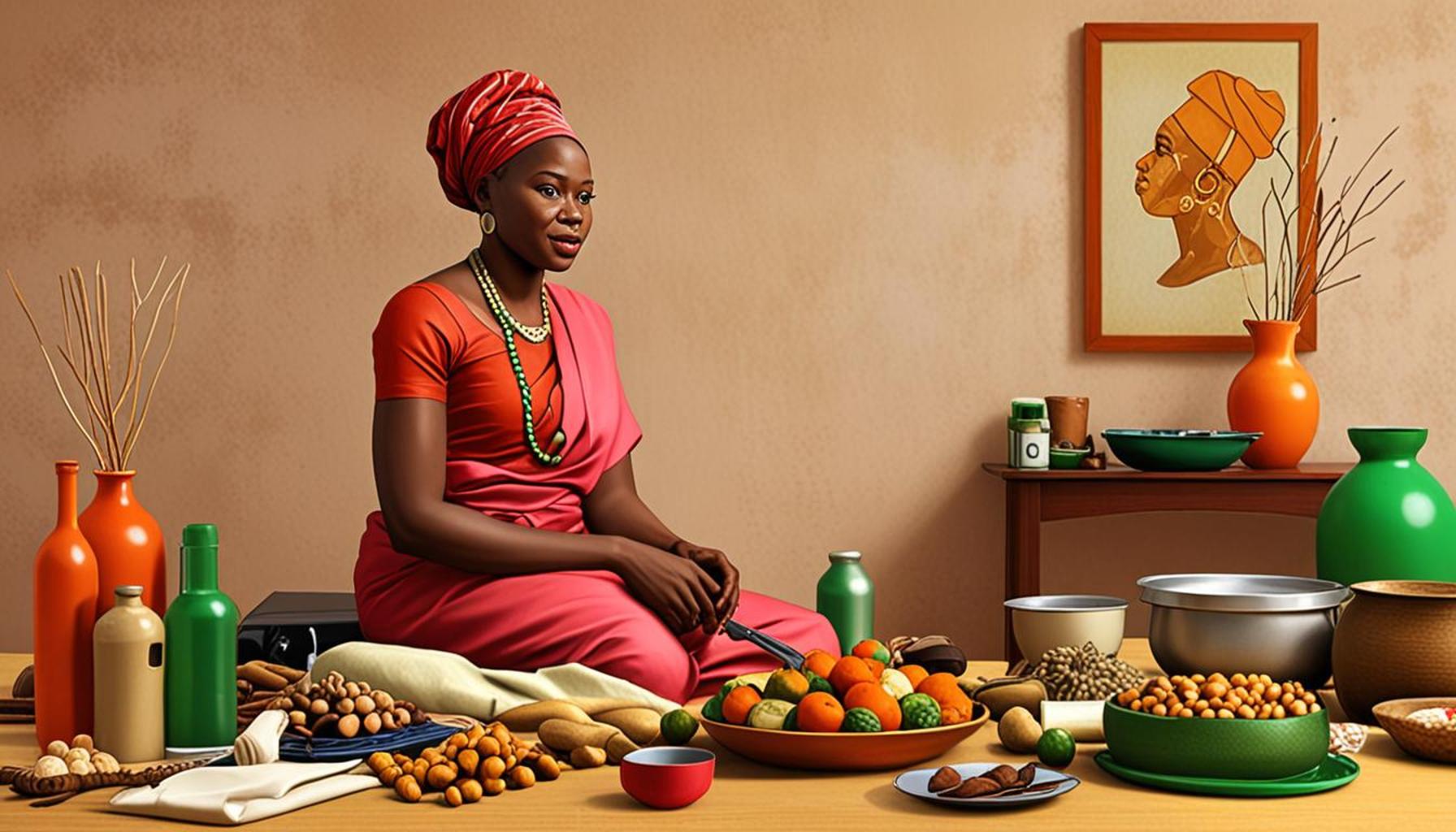
- Space Management: Homes are typically designed with open spaces to facilitate flow and movement. In many Yoruba homes, an open courtyard serves as a gathering place for families, promoting interaction while minimizing unnecessary decor that can create a sense of clutter.
- Community Practices: Collaborative efforts in communal living reduce personal clutter while enhancing relationships. In many Igbo communities, the practice of sharing resources, from kitchen essentials to larger items like vehicles, encourages a minimalist approach to ownership and fosters a sense of unity.
Fostering a lifestyle that embraces simplicity creates not only a visually appealing environment but also contributes to mental clarity and peace. In Nigeria, the quest for decluttering is both spiritual and practical. Rituals such as spring cleaning before major festivals like Eid or Christmas symbolize the shedding of physical and emotional burdens, welcoming a fresh start.
As this exploration unfolds, readers will discover fascinating connections between age-old customs and today’s minimalist movements. For example, the concept of “cleanliness is next to godliness” is a deep-seated belief across multiple faiths in Nigeria, encouraging individuals to maintain their surroundings as a reflection of their internal states. The prevailing practices highlight how embracing less can truly lead to a richer life experience.
In conclusion, the integration of traditional values with modern minimalistic principles not only enhances lifestyle but cultivates a deeper appreciation for what truly matters: relationships, community, and inner peace. Exploring these connections offers a pathway to understanding how the ancient can enrich contemporary living.
LEARN MORE: This related article may interest you
Traditions Rooted in Functionality
In Nigeria, a nation rich in cultural diversity, the concept of minimalism and clutter reduction finds its roots in various traditional practices that emphasize functionality. Among the Yoruba, Igbo, and Hausa cultures, the idea of keeping only what is necessary is not merely aesthetic but resonates with deep-seated values related to respect, community, and spirituality.
Central to these practices is the notion that less is more. Many traditional rituals serve as poignant reminders of this principle, particularly during significant events which involve communal participation and resource sharing. For instance, during the New Yam Festival celebrated by the Igbo, community members come together to clear their surroundings, shedding not just physical belongings but also emotional clutter. This act symbolizes renewal and is a practice that fosters a strong sense of community and belonging.
Furthermore, the concept of sustainability is prominent within various practices. Traditional crafts, such as pottery and weaving, are often passed down through generations, promoting organization and simplicity within households. Items like intricately woven baskets from the North or clay pots from the South serve their purpose as storage solutions while also embodying artistic expression. This fusion of art and utility reinforces the idea that functional items can enhance one’s living space without leading to excess.
- The Role of Space in Home Design: Many traditional Nigerian homes are built around the concept of open spaces, which encourage a seamless flow of air and light, contributing to a sense of calm and order. This design philosophy facilitates easier upkeep and reduced clutter, promoting both mental and physical well-being.
- Community Gardens: In numerous Nigerian communities, shared gardens serve as both a source of food and a bonding experience among neighbors, reinforcing the idea that collaboration helps in minimizing individual clutter. The collective responsibility ensures that everyone contributes to and enjoys the fruits of reduced personal burden.
- Spiritual Connection to Simplicity: Many Nigerian belief systems hold that spiritual cleanliness is reflected in physical space. Rituals such as the cleansing ceremonies before major celebrations encourage followers to declutter, allowing for a clear and peaceful mindset to engage with the spiritual significance of the events.
Through these cultural manifestations of minimalism and clutter reduction, Nigerians not only navigate their external environments but also engage in a deeper understanding of personal and communal identity. The blend of functionality and tradition fosters a lifestyle where simplicity reigns, allowing for a more profound appreciation of relationships and shared experiences. This minimizes the distractions that often come with material excess and invites a focus on what truly matters—community, family, and inner peace.
Exploring Nigerian Minimalism: Cultural Significance and Practices
In Nigerian culture, minimalism and clutter reduction are deeply rooted in traditional values that promote organization, simplicity, and functionality. These principles are often reflected in various aspects of life, from communal living to festivities. In many rural areas, the organization of space is not merely for aesthetic appeal but embodies the philosophy of “less is more,” allowing individuals to focus on what truly matters—family, community, and heritage.
Cultural Practices that Foster Simplicity
One such practice is the Konko tradition among certain ethnic groups, in which homes are meticulously kept with only essential items on display. These homes often feature seasonal changes to the decor, reflecting simplicity and a connection to the natural environment. Additionally, traditional markets in Nigeria exemplify minimalist practices. Vendors often have a focused selection of items, emphasizing quality and local produce over excessive variety. This not only enhances the shopping experience but also reduces waste and fosters community engagement.
| Cultural Practice | Impact on Clutter Reduction |
|---|---|
| Konko Tradition | Fosters a lifestyle of minimalism and focus on essentials. |
| Local Market Systems | Promotes organized spaces and reduces waste by concentrating on local goods. |
Nigerian minimalism extends beyond organized living; it influences art, fashion, and culinary practices as well. From the intricate designs of traditional fabrics that highlight a few colors to the culinary tradition of focusing on whole, locally-sourced ingredients, these practices echo the values of simplicity and efficiency. Such insights into minimalism and clutter reduction in Nigerian culture not only challenge contemporary ideas about consumerism but also offer profound lessons on living in harmony with our surroundings. As Nigeria continues to modernize, the balance between tradition and contemporary living invites further exploration of how minimalism can impact modern lifestyles positively. Engaging with these cultural practices can inspire us to rethink our approach to space and material possessions, emphasizing the significance of clarity and purpose in our lives.
SEE ALSO: Click here to read another article
Modern Interpretations of Minimalism
While traditional practices lay a solid foundation for minimalism and clutter reduction in Nigeria, contemporary interpretations have emerged that adapt these principles to modern living. As urbanization sweeps through cities like Lagos and Abuja, the need for organization and simplicity has become increasingly relevant, influencing lifestyle choices and design philosophies in innovative ways.
Today, there is a significant movement towards minimalist architecture and interior design that reflects Nigeria’s evolving cultural landscape. Architects and designers are increasingly drawing inspiration from indigenous wisdom, creating spaces that prioritize functionality. Consider the growing popularity of open-plan living in urban settings, where natural light flows freely, and furniture is chosen for its utility. This design not only reduces clutter but also fosters social interaction, mirroring traditional communal values.
- Decluttering Trends: Social media platforms, particularly Instagram and TikTok, have become battlegrounds for the decluttering movement in Nigeria. Influencers showcase before-and-after scenarios, highlighting the transformative power of organization and minimalism. Trends such as the “KonMari” method, inspired by Marie Kondo, have gained traction, urging followers to evaluate their possessions based on what “sparks joy,” resonating deeply with the Nigerian ethos of valuing meaningful relationships and experiences over materialism.
- The Influence of Technology: Technology offers unprecedented opportunities for reducing clutter in modern Nigerian households. Mobile applications designed for organization, inventory management, and even digital storage solutions enable seamless tracking of possessions. These tools help individuals stay organized while promoting a sense of ease and simplicity in daily life.
- Minimalist Fashion: The rise of minimalist fashion among the youth signals a shift toward uncomplicated styles that emphasize quality over quantity. By investing in versatile wardrobe pieces that can be mixed and matched, Nigerians are embracing the philosophy of “fewer, better things.” This fashion trend not only promotes self-expression but also supports sustainable practices by reducing fast fashion’s environmental footprint.
Additionally, community initiatives promoting sustainable living have taken root across Nigeria, encouraging collective efforts to reduce waste and promote efficient resource use. Workshops and seminars foster discussions on sustainability, encouraging participants to adopt simpler lifestyles and embrace minimalism as a form of activism against consumerism. These are pivotal movements as Nigeria grapples with environmental challenges, encouraging a culture of mindful consumption that resonates with the country’s historic practices.
The intersection of tradition and modernity illustrates a nuanced understanding of organization and simplicity within Nigerian culture. By melding the old with the new, Nigerians are not only crafting personal narratives but are also shaping a collective future that prioritizes well-being, social connections, and environmental sustainability. This rich tapestry of cultural values informs how individuals interact with their surroundings, ensuring that minimalism is more than just an aesthetic choice—it’s a lifestyle rooted in purpose.
RECOMMENDED: Check out this similar article
Conclusion
In examining the intricate relationship between minimalism and clutter reduction within Nigerian culture, it becomes apparent that this concept transcends mere aesthetics or contemporary trends. Rooted deeply in traditional practices that emphasize community, sustainability, and meaningful engagement, minimalism in Nigeria represents a powerful shift towards a lifestyle that values simplicity over excess.
As the nation embraces modern urban challenges, the adaptation of these age-old philosophies to contemporary settings reveals the resilience and ingenuity of Nigerian society. The transformation of living spaces, the rise of decluttering movements driven by social media influencers, and the integration of technology for organization illustrate a collective desire for a balanced life. The current fashion trends that prioritize quality and versatility further reinforce the ethos of “fewer, better things” amidst a rapidly changing global environment.
Moreover, grassroots initiatives and community discussions on sustainability bolster a broader understanding of how organization and simplicity can serve as catalysts for positive change. By embracing minimalism not only as a personal choice but also as a communal responsibility, Nigerians are carving a path towards a future that harmonizes cultural heritage with modern demands.
Ultimately, the shift towards minimalism and clutter reduction in Nigeria is not just about physical space; it represents a profound philosophical approach to living thoughtfully and purposefully. This journey encourages individuals to reflect on their connections to objects, people, and their environments, guiding them towards a more fulfilling existence that values quality relationships and environmental stewardship. As this movement continues to grow, it invites everyone to rethink their own narratives and the impact of their choices in a world that increasingly craves simplicity and authenticity.