The Influence of Social Media on Consumer Buying Decisions in the Philippines
Changing Consumer Landscape
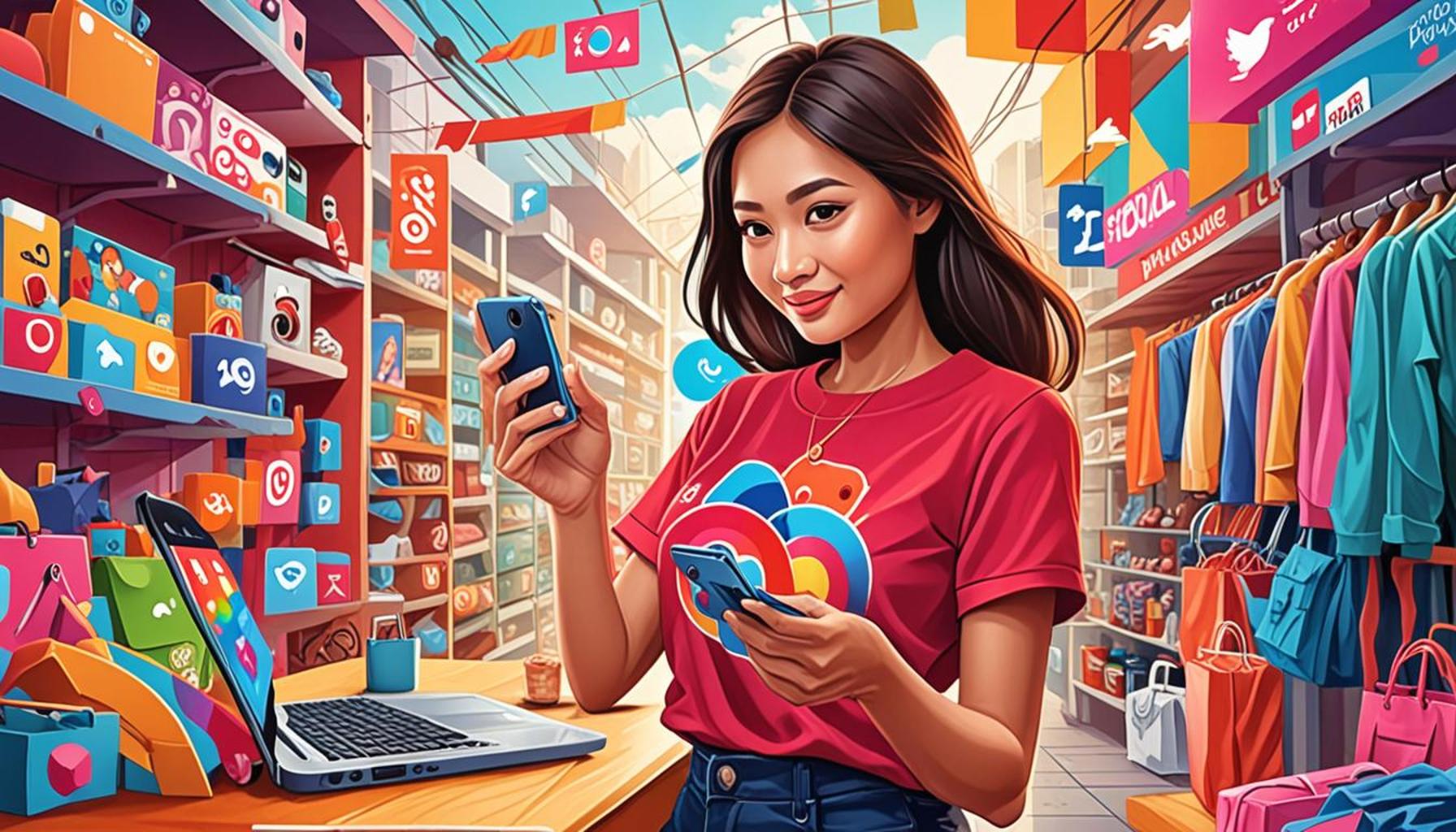
In recent years, the rapid rise of social media has fundamentally altered shopping habits among Filipinos. The convenience of accessing a plethora of products and services on platforms like Facebook, Instagram, and TikTok has redefined the traditional shopping experience. With merely a few taps on their smartphones, consumers can explore items ranging from trendy clothing to unique artisanal goods. This shift not only brings a new level of convenience but also significantly influences buying decisions.
Peer Recommendations
One of the most impactful aspects of social media is the power of peer recommendations. Friends, family, and social media influencers play a crucial role in shaping opinions and preferences. For example, a popular Filipino beauty influencer discussing a local skincare brand can prompt thousands of followers to try the product based on their trust in that person’s expertise. This ripple effect is magnified when users share their own experiences, creating a sense of community and trust around products.
Targeted Advertisements
Social media platforms utilize sophisticated algorithms to deliver targeted ads, allowing businesses to reach specific demographics. This personalization means that consumers in the Philippines are greeted with promotions that resonate with their interests and behaviors. For instance, a teenager who frequently engages with fashion content may find themselves bombarded with ads for the latest clothing lines or discounts from their favorite local boutiques. This targeted approach can lead to impulsive buying decisions, as the ads often evoke a sense of urgency and excitement.
Trendy Content and Its Urgency
The phenomenon of trendy content cannot be overlooked. Viral challenges or fashion trends often create a rush among consumers to own the latest item before it goes out of style. This urgency is evident in how Filipinos embrace trends seen on TikTok—whether it’s the “fidget spinner” craze or the latest mobile game. As consumers engage with these trends, they may prioritize style over practicality, leading to purchases that don’t necessarily meet long-term needs.
Mindful Financial Practices
While the allure of online shopping is undeniable, it also underscores the importance of responsible financial practices. It’s vital for consumers to reflect on their personal values and financial goals before making purchases influenced by social media. By maintaining awareness of how these platforms shape their choices, Filipinos can cultivate a shopping approach that balances trends with necessity. This mindfulness can prevent the pitfalls of overspending and help individuals allocate resources towards experiences or items that truly enhance their lives.
In a fast-paced digital environment, each shopping decision counts. Therefore, as consumers navigate this exciting landscape, they should strive to make informed choices that align not only with their immediate desires but also with their broader financial aspirations. By approaching social media shopping with intention and discernment, they can embrace the benefits of modern convenience while ensuring their financial health remains a priority.
CHECK OUT: Click here to explore more
Understanding Consumer Behavior in the Digital Age
The landscape of consumer behavior in the Philippines is evolving rapidly, thanks to the pervasive influence of social media. Today, purchasing decisions are often swayed not just by traditional advertising but by engaging content and personal narratives shared online. The rise of platforms like Facebook, Instagram, and TikTok has enabled a shift where consumer experiences are shared almost instantaneously, creating a dynamic environment for commerce. Filipinos are no longer passive observers; they are active participants in a digital marketplace that thrives on engagement and interaction.
The Emotional Connection
The emotional connection that social media fosters cannot be overstated. When consumers see their friends showcasing products or sharing testimonials, it creates a relatable and trustworthy environment. This impact is particularly poignant in the Philippines, where community and interpersonal relationships are deeply valued. A glowing review from a friend regarding a local restaurant or a heartfelt post about a small business can be more persuasive than a traditional advertisement presented on television. This emotional resonance encourages consumers to not only consider a purchase but to feel a personal stake in the success of local brands.
Social Proof and Its Power
Furthermore, the concept of social proof resonates powerfully within Filipino culture. When consumers notice that others are endorsing a product—whether through likes, comments, or shares—they are more likely to follow suit. This effect is magnified within the vibrant online communities that Filipinos foster, where recommendations from peers often serve as the first point of reference for products. Whether it’s a trending gadget or a new fashion line, the visibility gained through social media can give rise to a collective desire to engage in certain brands or products. As a result, marketing strategies that leverage user-generated content can significantly enhance a brand’s reach and credibility.
Strategic Online Engagement
In this fast-paced marketing landscape, businesses must keep up with trends and establish a solid online presence. Companies in the Philippines are increasingly employing several strategies to engage potential buyers effectively:
- Interactive Content: Brands often create polls, quizzes, or live demonstrations to interact with consumers.
- Influencer Partnerships: Collaborating with local influencers helps brands reach niche markets and enhances their credibility.
- Storytelling: Sharing the brand’s story or mission allows consumers to connect on a deeper level, fostering loyalty.
As businesses adapt to this new way of engaging with customers, they must also remember the importance of transparency and authenticity. With so many options available at their fingertips, Filipinos are becoming savvier consumers, increasingly scrutinizing marketing claims and seeking brands that align with their values. By fostering genuine relationships through open communication and ethical practices, brands can better influence consumer decisions in a way that resonates with the local ethos.
Ultimately, understanding the emotional and social dynamics at play provides opportunities for both consumers and businesses alike. As the Filipino market continues to navigate this digital landscape, a conscious approach towards purchasing decisions can lead to more informed choices, building a healthier consumer culture.
SEE ALSO: Click here to read another article
The Role of Local Influencers and Communities
In the vibrant tapestry of Filipino culture, local influencers play a significant role in shaping consumer perceptions and purchasing decisions. These individuals, often relatable and grounded within the community, create a sense of familiarity that large-scale marketing cannot replicate. When a local personality shares their genuine experience with a product, it resonates deeply with their followers—triggering not only curiosity but also trust. This dynamic exemplifies the power of influencer marketing in the Philippines, where a single post from a trusted figure can lead to a surge in sales for local businesses. Small enterprises that embrace influencer partnerships find themselves at an advantage, as they leverage the established trust and authenticity that these community figures embody.
The Importance of Community Engagement
Social media also acts as a powerful tool for community building. In the Philippines, many businesses adopt a grassroots approach by fostering relationships through community engagement. Brands often engage consumers by participating in online conversations, responding to comments, and addressing concerns promptly. By doing so, they cultivate a sense of belonging, encouraging consumers to feel that their voices matter. This connectivity transforms casual buyers into loyal advocates, who are likely to recommend the brand within their own circles, thereby amplifying its reach. For example, brands that showcase their involvement in local causes or initiatives tend to create a stronger emotional bond with consumers, nurturing a shared identity around mutual values.
Storytelling: Beyond Product Features
Today’s consumers are seeking more than just product features; they crave stories that speak to their values and aspirations. The art of storytelling has become a crucial element in marketing strategies. Brands are encouraged to craft narratives that reflect the Filipino experience—whether it’s celebrating cultural heritage or tackling societal issues. For instance, a brand that shares the journey of a local artisan or highlights the impact of artisanal products on community welfare can evoke empathy and inspire consumers to support ethical purchases. This deeper connection promotes a sense of responsibility among buyers to ensure their purchases contribute positively to their community and environment.
Shaping Conscious Consumerism
The influence of social media is also driving a shift towards conscious consumerism. Filipinos are increasingly aware of the impact of their buying decisions on social and environmental issues. With the vast information available online, consumers are now more inclined to research brands, scrutinizing their practices and values before making a purchase. The increased accessibility of information empowers consumers to choose brands that advocate for sustainability or social equity. As more buyers prioritize ethical considerations, businesses that align their values with their consumers are better positioned to thrive in this evolving marketplace.
Navigating the Digital Marketplace
As social media continues to morph consumer behavior, understanding its nuances is paramount. Brands need to communicate transparently and authentically while engaging with their audiences in meaningful ways. The Philippines presents a unique opportunity for businesses to shape a marketplace oriented not just towards profit, but towards enhancing consumer well-being and community ties. By fostering responsible consumption and encouraging dialogue around important social issues, both consumers and businesses can contribute to a more positive and sustainable economic environment. Together, they can navigate this digital landscape responsibly, with the shared goal of building a better future for all.
CHECK OUT: Click here to explore more
Conclusion
In the rapidly evolving landscape of the Philippines, the influence of social media on consumer buying decisions has become undeniably profound. As highlighted throughout this article, local influencers and grassroots engagement not only amplify brand visibility but also create authentic connections that resonate with Filipino consumers. The rise of conscious consumerism speaks volumes about how social media empowers individuals to make informed choices that reflect their values and priorities.
Amidst the whirlwind of online trends and marketing strategies, consumers are learning to appreciate the stories behind the products they purchase. When brands embrace storytelling and actively engage with their communities, they foster loyalty and advocacy among their consumers. This evolution in buying behavior highlights a vital perspective: every purchase has the potential to impact not just personal lives, but the broader community.
As we navigate this digital marketplace, it is essential for both consumers and brands to prioritize authenticity, transparency, and social responsibility. Filipino consumers possess the power to shape the economy by choosing brands that reflect their values—be it sustainability, ethical practices, or community support. With every click and share, consumers can advocate for change, influence market trends, and contribute to a marketplace that thrives on mutual respect and shared goals.
Ultimately, the journey towards conscious consumption is a shared responsibility. Through embracing the influence of social media, consumers can champion local businesses, uplift communities, and create a brighter, more sustainable future for all. Let us harness this power wisely and pave the way for meaningful change in our consumer landscape.

Linda Carter
Linda Carter is a writer and marketing specialist who helps businesses and entrepreneurs build strong brands and effective growth strategies. With extensive experience guiding companies to increase their market visibility and make data-driven decisions, she shares practical marketing insights on our platform. Her goal is to empower readers with actionable advice and proven techniques to achieve sustainable business growth and marketing success.