The Role of Social Media in the Mobilization of Social and Political Movements in the Philippines
The Power of Social Media in Activism
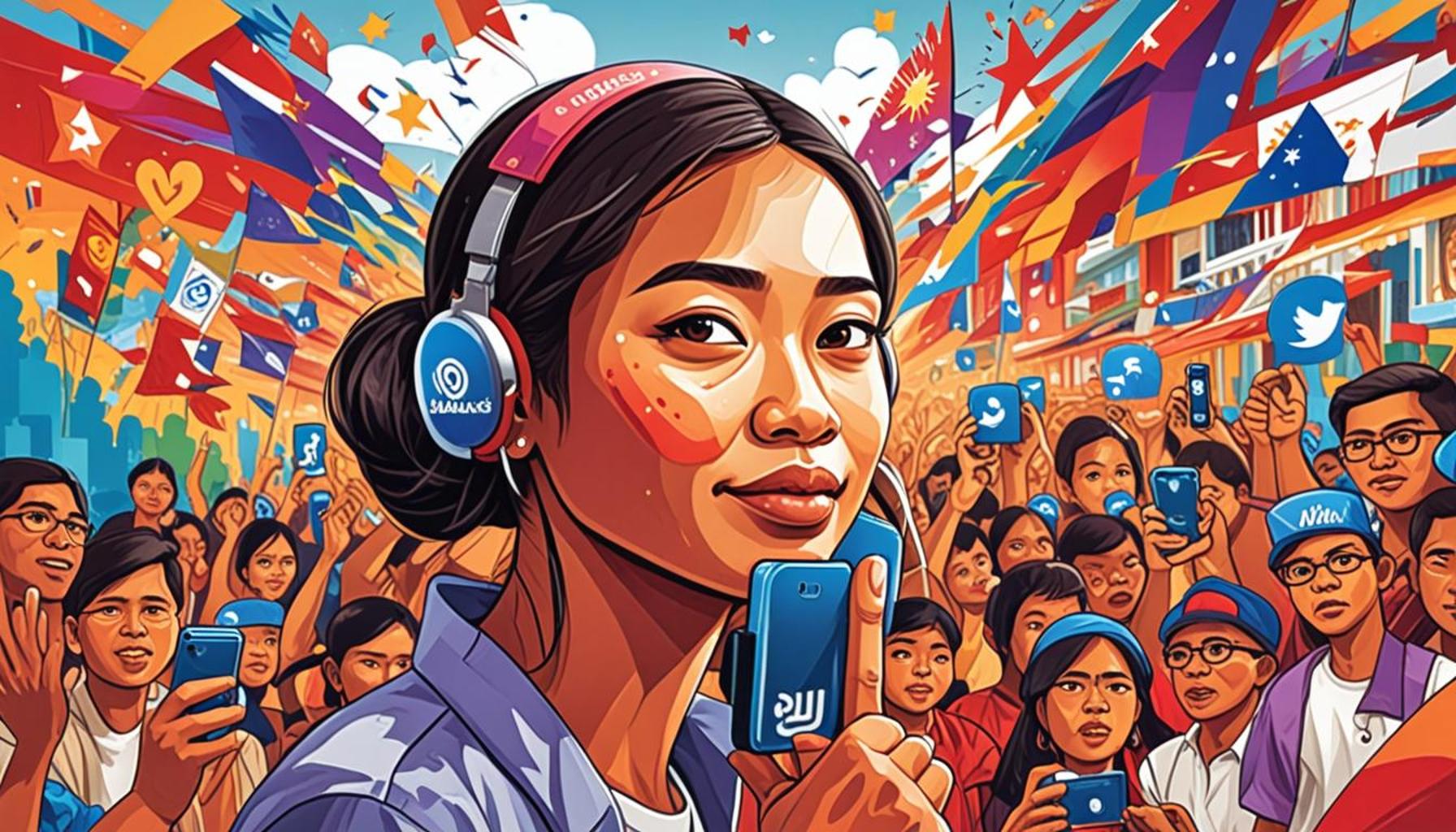
Every day, millions of Filipinos log onto social media, not just to connect with friends and family but to engage with pressing social and political issues. This shift has transformed the way advocacy and activism are approached across the archipelago. Social media platforms offer more than just entertainment; they harness the collective voice, turning public sentiment into a resounding call for change.
Awareness and Education play a crucial role in this dynamic transformation. With social media at their fingertips, individuals can access real-time updates about critical issues, be it human rights violations, environmental concerns, or corruption scandals. For example, during the University Of Santo Tomas protests against tuition fee hikes, hashtags like #NoToTuitionIncrease allowed students to share stories, information, and resources, creating an informed community advocating for change. The immediacy of social media ensures that awareness spreads quickly, empowering more people to educate themselves about vital matters that affect their lives and their communities.
Moreover, social media fosters Community Building. Through Facebook groups, Twitter hashtags, and Instagram campaigns, individuals with shared passions can find each other and collaborate toward a common goal. For instance, the #BangkayNgSampaguita movement highlighted the fight for street vendors’ rights, uniting vendors, supporters, and advocates under one banner. This platform enables diverse individuals to come together, encouraging a sense of belonging and collective purpose, which has historically been challenging to achieve in a nation with over 7,000 islands.
Real-time Mobilization is yet another game changer in Filipino activism. With the power to organize protests or events within hours, social media channels have proven effective in gathering those committed to a cause. The 2019 Black Friday protests against the Anti-Terror Bill showcased the power of instant communication, drawing thousands of people into the streets, raising awareness, and generating widespread discourse. The feeling of being part of a larger movement in real-time amplifies the urgency and impact of activism.
However, as we leverage the power of social media, it is paramount to remember the importance of responsible usage. Engaging actively online comes with the responsibility of understanding the authenticity of information shared. A single misinformation tweet can spread panic or mistrust. Therefore, fostering a culture of informed activism, where fact-checking and critical thinking are emphasized, is vital in protecting the integrity of our movements.
In conclusion, the influence of social media on social and political movements in the Philippines is undeniable. By engaging with these platforms thoughtfully and purposefully, we can create a more informed and empowered citizenry. Let us harness the power of social media to build a future that reflects our values and aspirations as a nation—one insightful comment, post, and tweet at a time.
SEE ALSO: Click here to read another article
Harnessing the Digital Revolution for Change
Social media has revolutionized the landscape of activism in the Philippines, becoming a tool that not only connects people but also empowers them to take action for meaningful change. The sheer volume of voices being uplifted through platforms like Facebook, Twitter, and Instagram showcases how digital spaces can serve as a catalyst for social and political movements. As citizens increasingly rely on these mediums for news and dialogue, it is essential to understand the various ways social media fuels mobilization efforts.
Real-time Information Sharing is one of the most significant advantages social media brings to activism. Through posts, videos, and live streams, people can share firsthand accounts of protests, policies, and community needs. For instance, during Typhoon Yolanda’s aftermath, social media became instrumental in coordinating relief efforts and spreading vital information about what communities required the most. The ‘Yolanda’ experience demonstrated the speed at which information travels in the digital age, showcasing social media’s potential to save lives by fostering timely responses to tragedies or injustices.
Amplifying Marginalized Voices is another vital aspect of social media’s role in activism. Many individuals or groups often struggle to find platforms to showcase their struggles and advocate for their rights. However, social media breaks down these barriers, allowing voices from diverse backgrounds—rural farmers, Indigenous peoples, LGBTQIA+ communities—to share their stories. The visibility that comes from these digital platforms can draw attention to issues that have long been overshadowed. For example, the #NoToPorkBarrel campaign highlighted the widespread public outrage against corruption, bringing together various sectors of society to demand accountability from their leaders.
The impact of social media is further amplified by the Engagement of Influencers and Public Figures. Celebrities and opinion leaders actively participating in movements can reach wider audiences, ensuring that vital messages resonate even further. The appointees of social media influencers during protests like the Anti-Terror Bill rallies gained significant attention, encouraging countless followers to join the cause. By leveraging their platforms, these figures can inspire action and validate the importance of social issues, thus bridging the gap between grassroots movements and mainstream discourse.
While the opportunities presented by social media are undeniably potent, it is essential to recognize some of the challenges that come with this digital engagement. The issue of online harassment and misinformation can stifle meaningful discourse and create fear among activists. The spread of false information can be damaging, and it is crucial for users to critically assess the content they engage with and share on their networks. In this age of information overload, organizing campaigns focusing on education about responsible digital behavior is essential in harnessing the full potential of social media activism.
As we navigate the evolving digital landscape, we must remember that with great power comes great responsibility. By embracing social media as a tool for **informed advocacy**, we can collectively push for a society that reflects our shared values and aspirations. It is in our hands to transform this digital revolution into a force for positive change in our communities and beyond.
CHECK OUT: Click here to explore more
Building Solidarity and Community through Digital Platforms
Social media not only serves as a tool for information dissemination but also plays a crucial role in fostering solidarity and community among activists and ordinary citizens alike. The ability to connect with like-minded individuals transcends geographical barriers, allowing groups that may have otherwise remained isolated to find strength in numbers. For instance, the recent initiatives advocating for environmental protection, such as the #SaveThePhilippines campaign, showcase how social media can unite diverse individuals who share a common goal. This sense of community is empowering, as supporters can find comfort in knowing they are part of a collective effort aiming for change.
Mobilizing for Mass Action has become increasingly feasible due to social media. Carefully planned campaigns can gain momentum in a matter of hours, transforming online conversations into physical manifestations of protest. Take, for instance, the record-breaking #MillionPeopleMarch against pork barrel funds that took place in 2013. Organizers utilized platforms like Facebook and Twitter to spread the word, leading to hundreds of thousands gathering in different cities across the nation. This instance clearly illustrates the unparalleled speed at which social movements can gain traction in the digital age, proving that when voices unite online, they can create a formidable force in the streets.
The phenomenon of Grassroots Fundraising is another significant aspect of social media’s influence in mobilizing movements. Activists can leverage their networks to raise funds for causes, community projects, and disaster relief efforts. Social media platforms allow people to share their campaigns widely, inspiring others to contribute financially, irrespective of their location. The success story of the #TaalReliefEfforts demonstrates this potential beautifully—donations flooded in through social media channels, helping countless families affected by the volcanic eruption. This online fundraising not only ensures that resources are mobilized quickly but also fosters a sense of collective responsibility and support among Filipino citizens.
Moreover, social media has proven to be an essential tool for Political Accountability, empowering citizens to monitor and challenge government actions. Advocacy groups utilize these platforms to call out corruption and demand transparency. The ability to instantaneously share information about political misconduct helps keep leaders accountable, as citizens can mobilize quickly in response to any wrongdoing. Initiatives such as the #AbolishPork movement aptly exemplified this dynamic, leading to mass protests that captured national attention and swayed public opinion.
Despite these advances, it is crucial to address the issue of Digital Divide that continues to persist in the Philippines. While social media serves as a powerful equalizer, not everyone has access to the tools necessary to participate fully. Many Filipinos in rural areas remain disconnected due to lack of internet access or digital literacy skills. As advocates for change, it is essential to work towards bridging this divide, ensuring that digital activism is accessible to every citizen, regardless of their background. Initiatives focused on digital education can empower these communities to harness social media for their causes, enhancing the overall impact of collective action.
In this age of digital communication, we must remain ever vigilant and proactive in utilizing social media for advocacy. By nurturing communities and leveraging these platforms responsibly, we can channel the power of collective voice towards a shared vision of progress and equity. Through the unyielding spirit of Filipinos coming together online and offline, we can create a movement that echoes through generations, ushering in a brighter future for our nation.
CHECK OUT: Click here to explore more
Embracing the Digital Empowerment for Change
In conclusion, the impact of social media on the mobilization of social and political movements in the Philippines cannot be overstated. As demonstrated, these platforms play a pivotal role in creating solidarity and community among Filipinos, transforming them from isolated voices into a unified chorus demanding change. The ability to organize mass actions with remarkable speed, as seen in initiatives like the #MillionPeopleMarch, has redefined the landscape of activism, making it more accessible and impactful than ever before.
Furthermore, social media fosters grassroots fundraising that empowers citizens to support their communities directly. It highlights the resilience and generosity of the Filipino spirit, showcasing that even in times of crisis, collective action can yield tangible results. The rise of campaigns for political accountability emphasizes the importance of vigilance in governance, as citizens are now more equipped to call out injustice and demand transparency from their leaders.
However, the prevalence of the digital divide reminds us that our progress is not yet complete. Bridging this gap is crucial to ensuring that all voices are heard in the digital realm. By investing in digital education and access, we can empower every Filipino to partake in the dialogues and actions shaping our future. As we move forward, let us harness the potential of social media, not just as a tool, but as a beacon of hope and change. By doing so, we can build a stronger, fairer, and more inclusive Philippines, rooted in collective empowerment and shared responsibility. Together, let us embrace this digital revolution and strive toward a brighter future for all.