Reducing Clutter and the Importance of Personal Space: Creating Calm Sanctuaries in Our Lives
Understanding the Clutter Challenge
In today’s fast-paced environment, reducing clutter has become a pivotal issue, especially for many Nigerians navigating life in densely populated urban centers. With markets bustling and homes often filled to the brim with goods, the physical space we occupy can quickly transform into a source of stress. Numerous studies reveal that an overload of possessions can lead to feelings of anxiety, making it increasingly important to regain control over our surroundings.
The Psychological Impact of Clutter
Beyond just being an eyesore, clutter can have profound implications for mental well-being. The notion of adequate personal space goes beyond mere aesthetics; it is a fundamental pillar upon which our mental state rests. When our environments are overloaded with items, it hampers our ability to focus and perform daily tasks efficiently.
- Enhanced focus: A peaceful environment free of distractions can vastly improve concentration levels. For example, students studying for exams in a tidy room often perform better than those surrounded by disarray.
- Reduced stress: Studies have shown that individuals in cluttered spaces can experience heightened stress and anxiety levels. Creating orderly surroundings can create a sense of control and calm.
- Increased creativity: An uncluttered space encourages a flow of creativity. Artists and writers, for instance, frequently find inspiration in minimalistic environments that don’t overload their senses.
Creating Your Calm Sanctuary
Imagine coming home to a calm sanctuary that nurtures your spirit. This can be achieved with simple, actionable steps: start by decluttering one room at a time, organize items by category, and be rigorous about what you truly need. In Nigeria, where communal living is common, sharing responsibilities for a clean, organized living space among family members or housemates can foster cooperation and a unified approach toward comfort.
The First Steps Towards a Clutter-Free Life
The journey towards a clutter-free lifestyle begins with identifying what clutter means to you personally. This can vary widely among individuals. For some, it might be the accumulation of clothes not worn in months, while for others, it could be an overabundance of electronics. Understanding the psychological ties we have to our possessions can also inspire actionable change.
As Nigeria’s urban areas continue to expand, the importance of valuing our personal space cannot be overstated. Each step taken towards decluttering is a step toward better mental health and well-being. By opting to create your sanctuary, you empower yourself to not only enjoy a spacious home but also enhance your overall quality of life.
Join us as we delve deeper into practical methods and tips on how to reclaim your space. Discover the transformative effects of a clutter-free lifestyle that leads to a more productive, creative, and serene existence—both at home and in your everyday life.
ADDITIONAL INSIGHTS: Expand your understanding here
Embracing Minimalism: A Path to Personal Peace
The quest for reducing clutter often leads individuals towards embracing minimalism, a lifestyle choice characterized by simplicity and intentionality. This philosophy encourages individuals to carefully select what they keep in their lives, placing value on experiences and relationships rather than an excess of material possessions. In the context of Nigeria, where urban areas experience rapid growth, this approach becomes increasingly relevant; it serves as a form of resistance against the tide of accumulating consumer goods and societal pressures to conform to materialism.
The Economics of Clutter
While the psychological benefits of decluttering are significant, the economic implications also deserve attention. Clutter can translate into wasted money spent on items that are never used. For example, consider the numerous shopping trips to local markets or boutiques, fueled by the latest trends or peer influences. The result? A collection of items that, while temporarily exciting, often end up gathering dust.
- Budget awareness: By learning to differentiate between wants and needs, individuals can save money and allocate resources towards experiences that foster personal growth.
- Time Management: An organized space frees up time that would otherwise be lost searching for misplaced items. This is particularly advantageous for working professionals and students in bustling cities like Lagos and Abuja, where time is a scarce commodity.
- Environmental Responsibility: Reducing excessive purchases serves the dual purpose of decluttering personal spaces and contributing to the welfare of the environment. By prioritizing quality over quantity, we can make more sustainable choices and reduce our carbon footprint, emphasizing the importance of being responsible consumers.
Practical Decluttering Strategies
As we delve into the benefits of creating a calm sanctuary, it’s essential to adopt practical strategies to tackle clutter. Here are effective methods that can be easily implemented:
- The One-Year Rule: Challenge yourself to part with items that haven’t been used in over a year. This rule encourages serious reflection on which possessions truly add value to your life.
- Donation Drives: Organizing donation drops for items still in good condition is both rewarding and liberating. It not only clears your space but also benefits those in need, fostering a sense of community.
- Digital Decluttering: Beyond physical items, attention should be paid to digital spaces. Deleting unused apps, unsubscribing from irrelevant emails, and organizing files on devices can significantly reduce mental clutter.
The act of decluttering is not merely about clearing a physical space; it extends to nurturing mental clarity and emotional balance. By understanding the deep-rooted significance of personal space, we can create a retreat from the chaos of everyday life, fostering environments that are conducive to peace and productivity. Let’s embark on a journey to explore more about creating our personal sanctuaries, unlocking the potential for tranquility and growth amidst the noise of urban life.
| Advantage | Description |
|---|---|
| Enhanced Mental Clarity | Reducing clutter in our environment can significantly improve focus and productivity, encouraging a clearer mind for better decision-making. |
| Emotional Well-being | Creating calm sanctuaries fosters emotional stability, allowing for relaxation and stress alleviation—critical components of overall well-being. |
The correlation between a clutter-free space and improved mental function is increasingly recognized in psychological studies. A tidy space leads to a reduction in anxiety, which is vital in our fast-paced lives. Establishing personal zones dedicated to tranquility can combat the overwhelming nature of modern-day responsibilities, allowing individuals to pause and rejuvenate.Additionally, the psychological shift to valuing personal space reflects broader social changes. A sanctuary, whether it be a cozy reading nook or a minimalist office, serves not only as a retreat but also as a potent reminder of self-care. By prioritizing and protecting these spaces, individuals can cultivate healthier habits and a greater sense of balance in their lives.
SEE ALSO: Click here to read another article
Transforming Your Environment: The Power of Personal Space
Creating a calm sanctuary is more than simply reducing clutter; it involves a holistic approach to personal space that nurtures our well-being. Recognizing the importance of personal space means appreciating how our surroundings can dramatically affect our mental and emotional health. People in fast-paced urban environments like Nigeria often find solace in cultivating spaces that resonate with peace and tranquility, thereby enhancing their quality of life.
The Psychology of Personal Space
Personal space can be defined as the physical and emotional buffer zone we establish between ourselves and others. Research indicates that an individual’s environment can trigger stress, anxiety, or relaxation, depending on its organization and aesthetics. For instance, a cluttered home may induce feelings of chaos, resulting in decreased productivity and heightened anxiety. In contrast, spaces that promote minimalism often lead to increased comfort and a sense of order.
According to experts, the psychological benefits of having a well-defined personal space include:
- Enhanced Focus: With a decluttered environment, individuals are less likely to be distracted and can focus more intently on tasks. This is particularly beneficial for students and professionals who require sustained attention to achieve optimal results.
- Increased Creativity: A tranquil space fosters creativity. When the mind is not overwhelmed with visual distractions, it can wander freely, leading to innovative ideas and problem-solving.
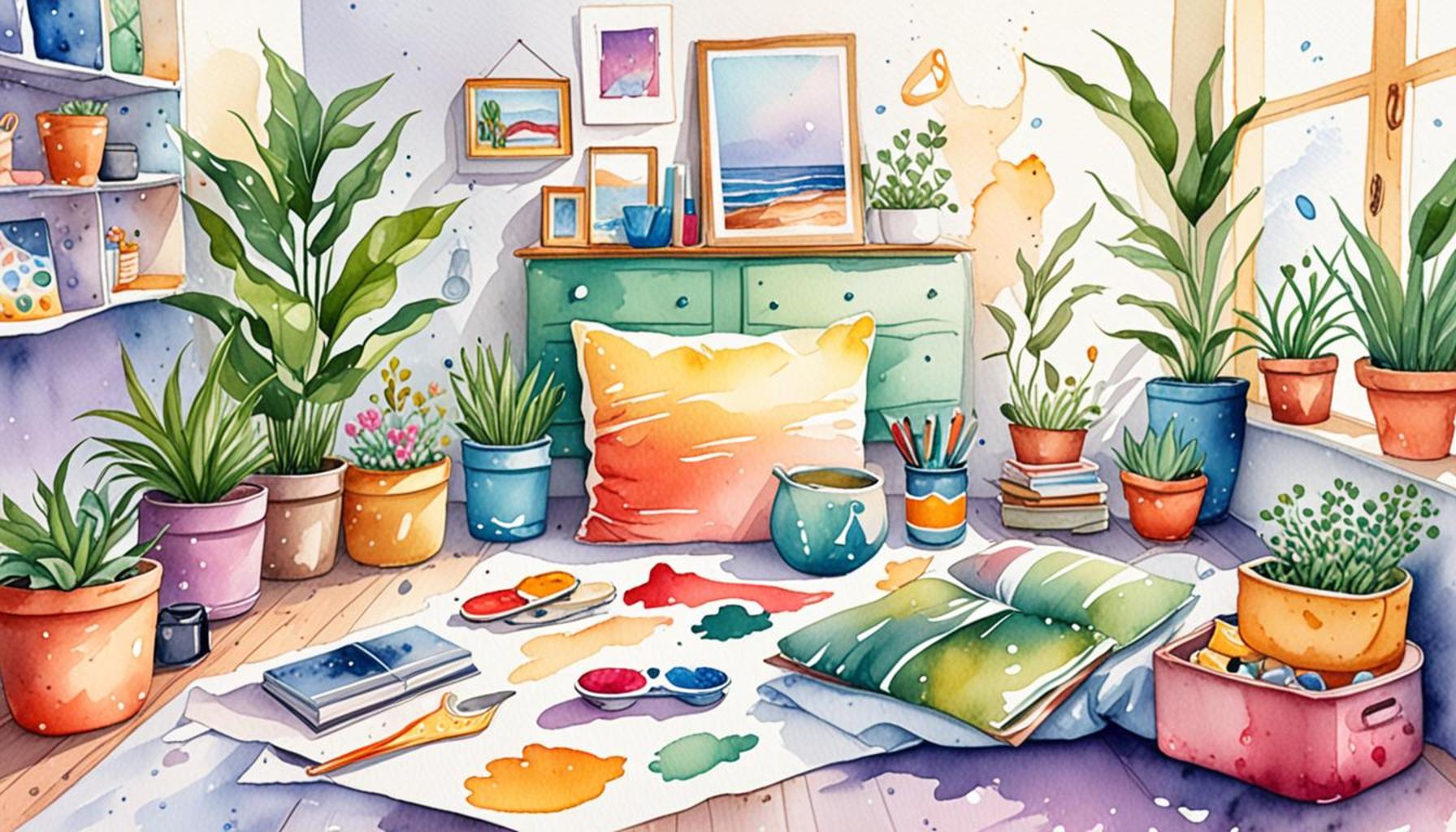
- Stress Relief: A dedicated calm sanctuary can serve as an escape from the daily grind. Whether it’s a cozy corner filled with books, plants, or art, creating such spaces is essential for personal rejuvenation.
Designing Your Calm Sanctuary
The journey to creating a personal sanctuary requires thoughtful planning and intentional design. Here are several strategies to assist in this transformative process:
- Color Psychology: The colors in your environment can greatly influence your mood. Soft earth tones and pastel shades often create a calming atmosphere, while brighter colors can be stimulating. Choosing the right palette is integral in crafting a space that promotes relaxation.
- Natural Elements: Incorporating natural elements such as plants, wood, or water features can enhance the serenity of your sanctuary. Research has shown that exposure to greenery can reduce stress and improve overall mood, making houseplants a worthy addition.
- Personal Touches: Curate the items in your sanctuary to reflect personal significance. Whether it’s cherished photographs or artworks that inspire you, these elements can transform a space into a deeply personal retreat, providing emotional comfort.
Beyond mere aesthetics, a well-planned personal space fosters growth and well-being, facilitating a retreat from the noise of urban life. As we strategize on how to best fill our environments with meaningful items while discarding the unnecessary, let’s remember that these actions hold the potential to not only create calm sanctuaries but also pave the way for a more fulfilled existence. Ultimately, the importance of understanding the intersection between our environments and personal well-being is a vital aspect of the journey toward reducing clutter in our lives.
YOU MAY ALSO LIKE: Read read another article
Conclusion: Embracing Calm in Our Lives
In a rapidly changing world, where the pace of life often feels overwhelming, reducing clutter and embracing the importance of personal space emerges as a necessity rather than a luxury. The journey to creating a calm sanctuary is one that intertwines physical simplicity with emotional clarity. By consciously curating our environments and minimizing distractions, we provide ourselves with the opportunity for deeper reflection, creativity, and overall well-being.
As we navigate spaces laden with chaos—from bustling markets to densely populated living areas in cities like Lagos or Abuja—the significance of carving out a peaceful retreat becomes paramount. The deliberate act of creating these sanctuaries not only promotes a sense of order but also serves as a protective barrier against the stresses of daily life. The psychological benefits are profound; with increased focus, enhancing creativity, and alleviating stress as key outcomes of nurturing our environments.
Moreover, our well-being is intrinsically linked to our surroundings. As we adopt minimalist principles and prioritize meaningful connections with our space and possessions, we lay the foundation for a more balanced existence. Considerations such as incorporating natural elements, utilizing color psychology, and personalizing our spaces foster a nurturing atmosphere that encourages rejuvenation.
In conclusion, the act of reducing clutter and valuing personal space is not merely about aesthetics; it’s about cultivating an enriched life. To find tranquility amid the noise, we must actively engage in the creation of our own sanctuaries, allowing our homes to reflect our inner peace while enhancing our overall quality of life. By investing in our personal space, we unlock the potential for healing and growth—a vital step towards thriving in the complexities of modern living.