Reduction of Clutter and the Influence of Social Media: How Exposure to Digital Disorder Affects Our Perception of Minimalism
The Growing Impact of Digital Disorder
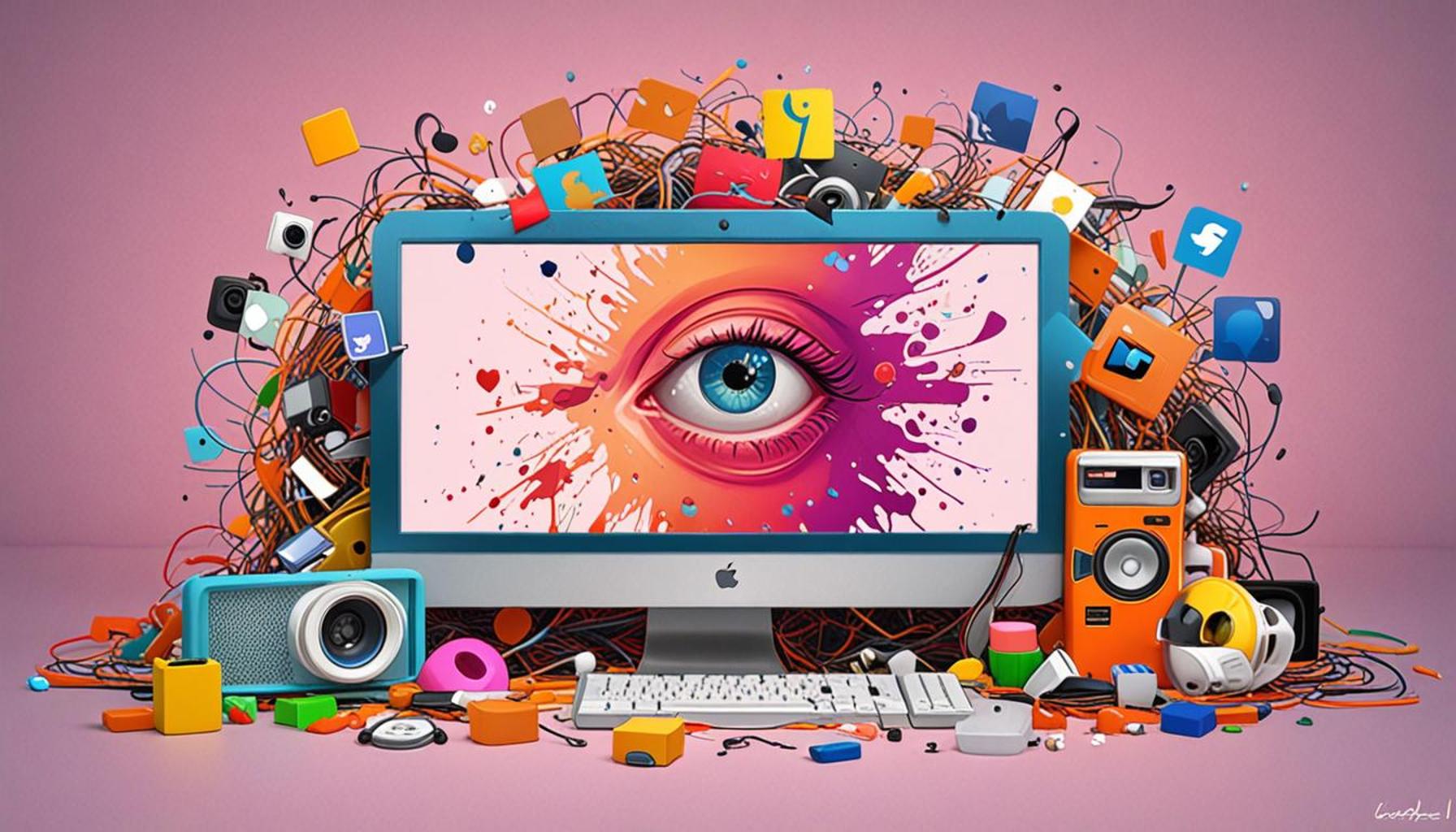
As our lives become increasingly intertwined with technology, the notion of *minimalism* has captured the imaginations of many, presenting itself as a remedy for the chaotic nature of contemporary living. With social media platforms consistently bombarding users with a relentless stream of content, many are finding themselves grappling with what can be referred to as “digital disorder.” This phenomenon manifests as an overwhelming flood of information, visuals, and lifestyle comparisons that can distort our understanding of both our physical spaces and our consumption habits.
Consider the following points:
- Social Media Influence: Platforms such as Instagram and TikTok have taken user engagement to new heights by showcasing meticulously curated lifestyles filled with dazzling possessions and lavish experiences. The curated nature of these posts can make individuals feel pressured to emulate these lifestyles, fostering an environment where *overconsumption* thrives. For instance, in Nigeria, a user might scroll through their feed and see a post featuring someone flaunting the latest designer handbag, prompting them to desire more possessions irrespective of their financial realities.
- Digital Overload: The constant barrage of information and visuals can lead to feelings of inadequacy, often culminating in a sense of mental clutter that rivals that of physical spaces. This digital overload can spark comparisons that are often unrealistic and even unattainable, adding to the stress of daily life. The pressure to maintain an online persona can wear down one’s mental health, leading some to seek refuge in minimalism as a lifestyle choice.
- Minimalism Defined: The essence of minimalism is to trim the excess—be it possessions or information—to cultivate a lifestyle that prioritizes quality over quantity. In essence, minimalism encourages individuals to value experiences over material goods, promoting mental clarity and increased well-being.
In Nigeria, a country rich in cultural diversity and increasingly engaged with digital technology, this intersection of tradition and modernity further complicates the conversation surrounding minimalism. Users in Nigeria may find themselves influenced by both the aspirational content available online and the deeply-rooted traditions they navigate daily. For example, the juxtaposition of vibrant traditional clothing and modern luxury goods on social media can create a unique perspective on what minimalism could entail, blending ancestral values with modern aspirations.
Ultimately, the journey towards the *reduction of clutter*—whether in our digital lives or physical environments—challenges us to reevaluate our priorities. As we oscillate between the desire for authenticity and the struggle against the illusion of perfection portrayed online, the influence of social media remains a significant factor in the ongoing pursuit of a minimalist lifestyle. This reflection drives individuals to question what truly brings joy and fulfillment in their lives, and how to curate their surroundings, both online and offline, in a way that aligns with their values and aspirations.
ADDITIONAL INSIGHTS: Expand your understanding here
Redefining Clutter in the Age of Social Media
The digital landscape has transformed the way we perceive clutter, particularly as social media fuels a constant comparison culture. It is essential to understand that *digital disorder* manifests not only through the sheer volume of information we consume but also through the curated ideals that dominate our feeds. This creates a dual challenge: first, managing the digital clutter in our lives, and second, redefining our notions of minimalism in a rapidly changing world.
As Nigerian users scroll through platforms like Instagram or Twitter, they are often inundated with images that reflect an idealized lifestyle. The juxtaposition of these images against the backdrop of everyday reality can amplify feelings of inadequacy. When an individual sees a post showcasing a lavish wedding adorned with extravagant decorations and high-end fashion, it raises the bar for what is perceived as *normal* or *successful*. This phenomenon can lead to a relentless pursuit of material possessions, drawing people away from the primary values of minimalism.
The Emotional Toll of Digital Comparisons
This need for validation and acceptance through material accumulation is further exacerbated by the emotional toll that social media comparisons can have on mental health. The cycle of admiration and envy contributes to a pervasive sense of anxiety and stress. For those seeking a different path, this is where the appeal of minimalism becomes apparent. Yet, the challenge lies in distinguishing genuine aspirations from societal pressures filtered through the digital lens.
To unravel this complex relationship, one must consider several factors:
- Societal Norms: In Nigerian culture, communal values often emphasize social status and display. Digital platforms can amplify these pressures, making individuals feel compelled to showcase their lifestyles, often leading to overconsumption.
- Content Curation: The reality of digital content is that it is curated. Users often share highlights, rarely portraying the mundane or the struggles that accompany the glossy snapshots. This selective representation creates a skewed view of reality, where minimalism can appear unattainable.
- Impact on Self-Image: Constant exposure to polished feeds can distort how individuals view themselves and their accomplishments. The unrealistic benchmarks set by influencers can lead many to overlook the emotional and mental benefits of a minimalist approach.
As conversations around *reduction of clutter* gain momentum, it becomes evident that the pursuit of minimalism must evolve to consider the pervasive influence of social media. This evolution is necessitated by the need to reclaim agency over personal choices, ensuring that our definitions of minimalism resonate with authenticity rather than superficial aspirations.
The journey toward minimalism is personal, and in an era of digital disorder, it becomes increasingly vital to filter through the noise, reevaluate what truly constitutes value in our lives, and embrace a lifestyle reflective of one’s own principles and goals.
| Advantage | Impact |
|---|---|
| Increased Focus | Minimalism encourages a clearer mindset, allowing individuals to concentrate on what truly matters by reducing distractions caused by excessive digital content. |
| Improved Mental Health | Adopting minimalism can lead to a decrease in feelings of stress and anxiety, fostering a healthier relationship with digital devices and social media. |
| Enhanced Aesthetics | A minimalistic approach offers a visually appealing space that appeals to our innate sense of beauty, often influenced by social media trends. |
| Better Organization | The reduction of digital clutter promotes efficiency in both physical and online environments, making it easier to locate important information or items. |
Exploring the idea of minimalism reveals a connection with our increasing reliance on social media and the digital landscape. Studies have shown that the overwhelming presence of content online can distort our values, often leading us to chase after superficial aesthetics instead of embracing simplicity and authenticity. Therefore, understanding how to navigate this digital disorder is crucial.Incorporating minimalism into our lives also involves redefining our relationship with technology. Not just decluttering physical spaces but also creating boundaries regarding the digital content we consume can significantly influence our overall wellbeing. As our perception of minimalism evolves, it’s essential to rethink how we engage with the information available—freeing ourselves from unnecessary noise allows us to truly appreciate the beauty of less.
SEE ALSO: Click here to read another article
The Paradox of Connectivity and Isolation
In today’s hyper-connected Nigeria, where smartphones have become ubiquitous, the paradox of social media is evident: while these platforms foster connections, they also trigger a sense of isolation. This contradictory experience fuels a distinct form of digital clutter—an overload of emotional and social noise that can make individuals feel disconnected in a world teeming with virtual friendships. As people engage with these curated personas, they may simultaneously grapple with their self-worth, further complicating their journey toward minimalism.
The constant notifications and the incessant need to keep up with trending topics can lead to mental burnout. Research indicates that excessive social media use can exacerbate feelings of loneliness and dissatisfaction. The quest for validation often manifests as a desire to present oneself in a particular light, aligning with what is projected as ideal—a stark contrast to the principles of minimalism that advocate for authenticity and simplicity in both possessions and lifestyle choices.
The Role of Influencers in Shaping Consumer Habits
Influencers play a significant role in shaping consumer habits, particularly among Nigerian youth. Many social media users follow influencers who promote lavish lifestyles, luxury goods, and a culture of overconsumption. This exposure constitutes a form of distracting digital clutter, altering perceptions of necessity and desirability. When an influencer endorses a brand new gadget—or even the latest fashion statement—followers may feel pressured to acquire similar items in a bid to imitate the lifestyle portrayed. This behavior diverges from the minimalist philosophy that champions owning less in favor of freedom from the burden of excess.
Moreover, the function of “unboxing” videos and aesthetically pleasing layouts on social media has normalized addiction to consumption. These creations often uplift the notion of *more is better*, stripping away the inherent value of simplicity. A user in Nigeria, for example, may find themselves in an endless cycle of purchasing, spurred by the influence of a well-curated lifestyle available at their fingertips.
Redefining Minimalism Amid Digital Noise
In reaction to this onslaught of information and curated lifestyles, the idea of minimalism must be redefined. For many Nigerians, minimalism is more than just an aesthetic choice—it’s a potent antidote to the chaos that social media can create. Embracing minimalism can manifest as a conscious effort to disconnect from excessive digital consumption, curating online experiences that enrich rather than overwhelm.
A survey by a leading Nigerian lifestyle magazine indicated that more individuals in urban settings are gravitating towards minimalistic living as a response to the mental clutter exacerbated by social media. This newfound appreciation for simplicity often manifests through intentional acts, such as decluttering not just physical spaces but digital footprints as well. Users are increasingly opting for digital detoxes or adopting decluttering techniques, which promote mindful consumption and a focus on the truly essential.
This shift underscores a broader cultural movement—a collective desire to reclaim personal narratives and values amidst the chaos. As people begin to filter their social media feeds deliberately, it promotes an awareness of what adds true value to their lives, steering them away from societal pressures and towards a more intentional mode of living.
Overall, the path towards a less cluttered, more minimalist existence is not merely a personal journey; it is also a cultural commentary on the excesses of our time, advocating for a balance between connectivity and personal well-being in the digital realm.
SEE ALSO: Click here to read another article
Conclusion: Embracing Minimalism in a Digital Age
The journey towards a minimalist lifestyle amid the chaos of social media is both challenging and essential. As we’ve explored, the incessant pressure to conform to curated ideals propagated by influencers creates a form of *digital clutter* that overwhelms our senses and distorts our understanding of necessity. This distortion leads to an overemphasis on material possessions, diverting attention from the core values of authenticity and simplicity that minimalism embodies.
Moreover, the paradox of connection and isolation in today’s hyper-connected Nigeria highlighted the importance of recalibrating our digital interactions. To achieve this, it is crucial for individuals to intentionally filter their online experiences, fostering relationships that contribute meaningful value to their lives. This conscious engagement with social media not only helps in reducing mental clutter but also encourages a cultural shift towards appreciating what truly matters—be it relationships, experiences, or personal well-being.
As urban Nigerians increasingly seek to reclaim their narratives, the rise of minimalism in response to digital disorder offers a beacon of hope. This movement illustrates a powerful resistance to the overwhelming pressures of consumerism, advocating instead for a life grounded in mindfulness and purpose. Ultimately, the act of decluttering our physical spaces and digital lives serves as a reminder that less can indeed be more, pushing us towards greater mental clarity and fulfillment.
In navigating the complexities posed by social media, we are called to redefine our perceptions of minimalism, embracing it not just as an aesthetic, but as a meaningful way of living in harmony with ourselves and the world around us.