Analysis of Monetary Policies and Their Effect on American Inflation
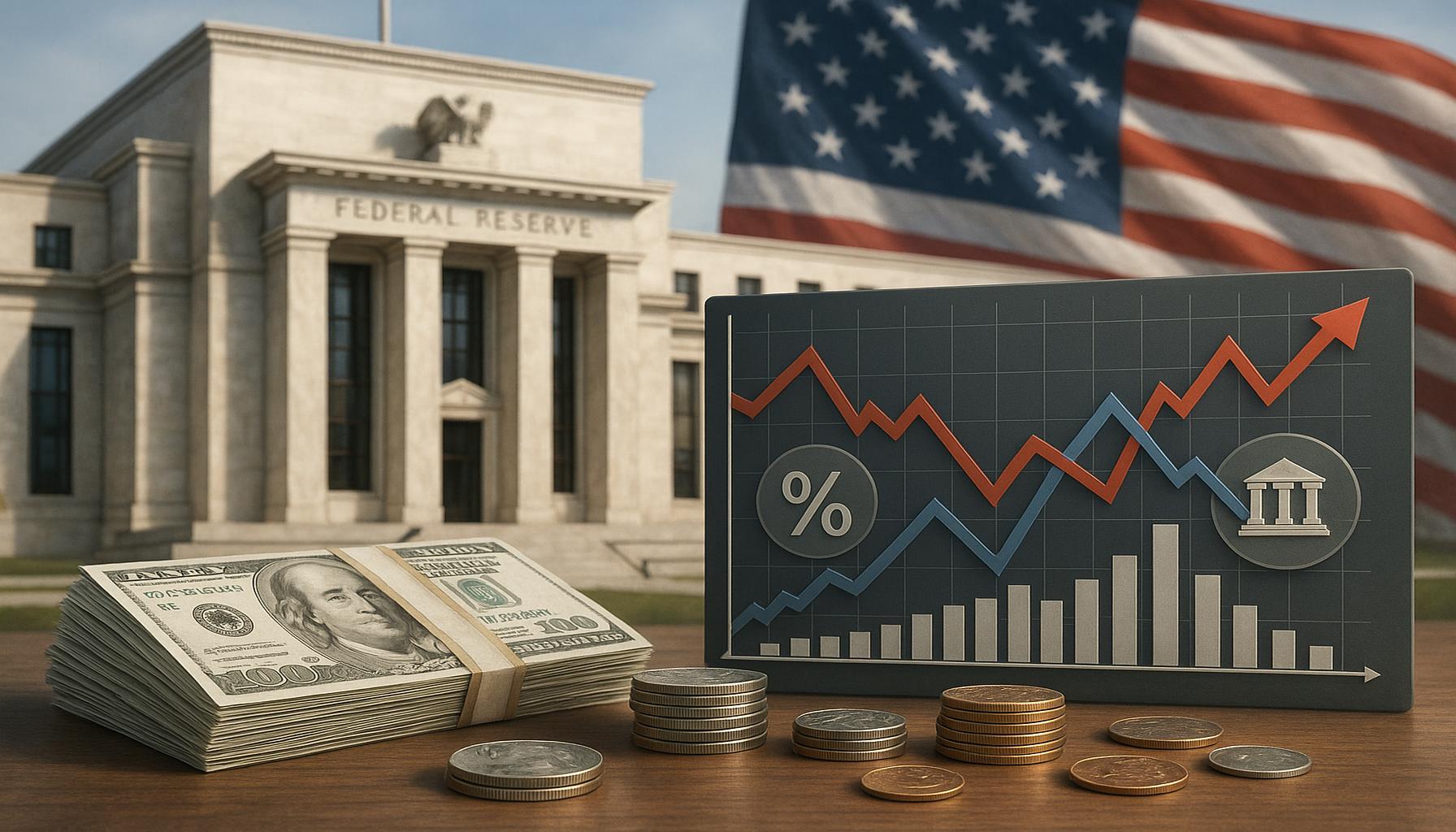
Understanding Monetary Policy and Its Influence on Inflation
Monetary policy serves as a key mechanism for the Federal Reserve to steer the U.S. economy. By carefully managing interest rates and the money supply, the Federal Reserve aims to foster economic stability, stimulate growth, and keep inflation in check.
The Core Components of Monetary Policy
To appreciate how monetary policy functions, it’s essential to delve into its primary tools:
- Interest Rates: When the Federal Reserve adjusts interest rates, it directly influences borrowing and spending behaviors among consumers and businesses. For instance, a reduction in the federal funds rate makes loans cheaper, hence encouraging homeowners to refinance their mortgages and businesses to invest in new projects, ultimately propelling economic growth.
- Open Market Operations: This involves the buying and selling of government securities. When the Federal Reserve purchases securities, it injects liquidity into the banking system, increasing the money supply. Conversely, selling securities takes money out of circulation, which can help control inflation.
- Reserve Requirements: This refers to the fraction of deposits that banks must hold in reserve and not loan out. Lowering reserve requirements enables banks to lend more, further promoting economic expansion, while increasing requirements can restrain bank lending and cool off an overheating economy.
The Complex Relationship Between Monetary Policy and Inflation
Understanding the ties between these policies and inflation involves recognizing the intricate balance the Federal Reserve must maintain. For example, when interest rates are lowered, consumer spending often increases. This can lead to:
- Enhanced retail sales as people feel more confident in borrowing due to lower costs.
- Elevated investments from businesses looking to capitalize on lower financing costs, leading to growth in sectors like real estate and manufacturing.
- A potential surge in overall price levels if increased demand outpaces what can be supplied, resulting in inflation.
This interplay became especially apparent during the COVID-19 pandemic when the Federal Reserve slashed interest rates to near-zero levels to stimulate the economy. While this strategy supported recovery, it also led to discussions about whether too much liquidity in the market would eventually drive inflation higher.
The Importance of Grasping Monetary Policy
Comprehending how monetary policy shapes inflationary trends provides essential insights not just for policymakers, but also for consumers and investors. For individuals, understanding these dynamics can inform decisions about spending, saving, and investing in times of changing economic conditions. For investors, recognizing how monetary policy affects inflation can influence choices in the stock or bond markets.
As economic conditions evolve, being aware of monetary policy’s broader implications can be instrumental in navigating the financial landscape effectively. It allows individuals and businesses to be proactive rather than reactive, fostering a more informed economic perspective.
DISCOVER MORE: Click here to find out how to apply
The Mechanisms of Monetary Policy and Their Impact on Inflation Rates
To grasp the nuances of how monetary policy affects inflation, it’s imperative to consider the mechanisms through which these policies operate. By leveraging various tools, the Federal Reserve not only influences interest rates and money supply but also sets the stage for potential inflationary or deflationary scenarios within the economy.
How Interest Rates Shape Inflation
Interest rates play a fundamental role in monetary policy. When the Federal Reserve lowers interest rates, the cost of borrowing becomes more affordable, leading to an uptick in consumer spending and business investments. This increase in demand can, in turn, lead to rising prices, especially in a robust economy where supply may not be able to keep pace.
Conversely, when the Federal Reserve raises interest rates, borrowing becomes more expensive. This can cool off consumer and business spending, creating a dampening effect on inflation. For instance, higher interest rates on loans can lead to:
- Reduced spending on big-ticket items such as homes and cars, as monthly payments become less manageable.
- A slowdown in business investment, as the cost of financing projects increases and companies may delay expansions.
- A decline in overall consumer confidence, as people start to prioritize savings over spending.
The Role of Open Market Operations in Controlling Inflation
Open market operations, characterized by the buying and selling of government securities, are another vital aspect of monetary policy. Through these actions, the Federal Reserve can effectively manage the money supply. When the Fed buys government securities, it injects liquidity into the financial system, making credit more accessible. While this can invigorate economic activity, it also raises the potential for inflation if demand outstrips supply.
In a contrasting scenario, when the Fed sells securities, it pulls money from circulation, tightening the money supply. This approach can help curb inflation by ensuring that there isn’t an excess of money available to chase after a limited number of goods and services. Therefore, the timing and magnitude of these operations are critical in maintaining a balanced economy.
The Importance of Monitoring Reserve Requirements
Another tool in the Federal Reserve’s arsenal is the regulation of reserve requirements. By setting the amount of funds banks must hold in reserve against deposits, the Fed can influence the amount of money available for lending. Lowering reserve requirements gives banks more capital to lend, potentially increasing consumer spending and investment. This can, however, lead to a situation where demand exceeds supply, causing prices to rise.
On the other hand, increasing reserve requirements can stabilize inflation by reducing the amount of money banks can lend, thus controlling consumer and business financing. In practice, these adjustments can have immediate effects on economic stability.
As we delve deeper into the current state of American inflation, it’s crucial to keep these fundamental aspects of monetary policy in mind. Understanding the mechanisms at work provides a clearer picture of how decisions made by the Federal Reserve can ripple throughout the economy, influencing everyday financial realities for consumers and businesses alike.
LEARN MORE: Click here to discover the impact of economic policies
The Challenges of Implementing Effective Monetary Policy
While the tools of monetary policy are designed to manage inflation and foster economic stability, their implementation comes with inherent challenges. The complexity of the economy, coupled with external factors, can hinder the effectiveness of these strategies.
Timing and Lag Effects
One of the most significant challenges facing the Federal Reserve is the timing of policy actions. When the Fed adjusts interest rates or shifts its open market operations, the effects are not immediately felt in the economy. There can be a substantial lag period, which can range from several months to even years. This lag makes it difficult for policymakers to gauge the immediate impact of their decisions.
For instance, if the Federal Reserve lowers interest rates to stimulate spending, households and businesses may take time to adjust their borrowing and spending behaviors. They might first need time to reassess their financial situations or navigate existing debt obligations. This delay can result in a scenario where inflation remains high while the economy is still responding to previous rate changes, complicating the Fed’s efforts to maintain price stability.
The Impact of External Factors
In addition to time lags, external factors such as global economic conditions, supply chain disruptions, and geopolitical tensions can significantly influence inflation outcomes. For example, a natural disaster or political instability in another country can disrupt supply chains, leading to shortages of goods and thereby driving prices up, regardless of the domestic monetary policy stance.
An illustrative case was the impact of the COVID-19 pandemic on U.S. inflation. Despite the Federal Reserve’s efforts to maintain low interest rates and support economic recovery, supply chain bottlenecks, labor shortages, and surging demand created unprecedented inflationary pressures. The rising prices of goods such as lumber and gasoline highlighted how external shocks can intersect with monetary policy initiatives to create unintended inflationary spikes.
The Role of Inflation Expectations
Another critical element that complicates the Federal Reserve’s task is inflation expectations. The beliefs and perceptions that consumers and businesses hold regarding future inflation can shape their economic behavior today. If individuals expect prices to rise, they may alter their spending and purchasing decisions accordingly, creating a self-fulfilling prophecy. For example, if consumers anticipate higher prices for goods in the coming months, they may rush to make purchases now, inadvertently driving up demand and, consequently, prices.
This phenomenon underscores the importance of communication from the Federal Reserve. Clear and transparent messaging regarding monetary policy intentions can help shape and manage public expectations around inflation. For instance, if the Fed signals its commitment to maintaining price stability, it can help anchor inflation expectations, which could diminish the risk of a wage-price spiral where businesses and workers continuously adjust their pricing and wage demands in response to perceived inflation.
Balancing Growth and Inflation Control
Lastly, there is a constant tension between stimulating economic growth and controlling inflation. The Federal Reserve must strike a delicate balance to ensure that necessary economic growth does not lead to runaway inflation. While low interest rates and increased lending may spur immediate growth, they can also create long-term inflationary pressures If left unchecked.
As such, policymakers must remain vigilant in their assessments, using a combination of economic data, forecasts, and historical trends to guide their decisions. Understanding these complexities helps illuminate why managing inflation through monetary policy is rarely straightforward and often requires not just robust policy tools but also adaptability and foresight.
DISCOVER MORE: Click here for detailed steps
Conclusion
In summary, the analysis of monetary policies and their effects on American inflation reveals a complex interplay of various factors that challenge policymakers. The Federal Reserve employs tools such as interest rate adjustments and open market operations to regulate inflation and foster economic growth, but the uncertainty surrounding timing, external influences, and inflation expectations makes this task incredibly nuanced.
The lag effect inherent in monetary policy means that policy changes can take time to manifest in the economy. This delayed response can complicate the Fed’s attempts to combat inflation effectively—especially in times of unexpected external shocks, such as the COVID-19 pandemic, which dramatically shifted supply dynamics and consumer behavior. Moreover, the expectations held by consumers and businesses about future inflation can create a cyclical effect that further complicates strategic planning.
Ultimately, balancing economic growth with inflation control remains a delicate dance for the Federal Reserve. The challenges inherent in this process underline the importance of adaptability and responsiveness in monetary policy. As our economy evolves and faces new challenges, the insights gained from analyzing monetary policies will be invaluable for understanding how best to navigate the ever-changing landscape of inflation in America. By promoting transparency and effective communication, the Fed can help to manage public perception and expectations, fostering a more stable economic environment for all. Thus, understanding these dynamics equips us to better assess future inflation dynamics and the steps required to maintain a healthy economy.