Menu

The Influence of Globalization on the Monetary Policies of Major Economies

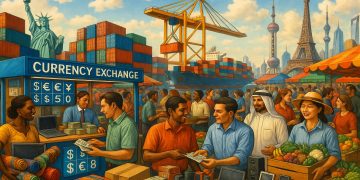
Globalization significantly influences the monetary policies of major economies, compelling central banks to adapt to international trade dynamics, capital mobility, and economic coordination. As external factors reshape domestic decisions, strategies like forward guidance become essential for maintaining economic stability and addressing inflation in an interconnected financial landscape.

The Role of Fintechs in the Democratization of Global Financial Access

Fintechs are revolutionizing global financial access by lowering barriers, providing innovative solutions, and enhancing transparency. They empower underserved populations through affordable services, educational tools, and alternative credit models, fostering financial inclusion and literacy. This shift marks significant progress toward a more equitable economic future for all.

The Evolution of International Trade and Its Impact on Exchange Rates

This article explores the evolution of international trade, highlighting technological advancements, trade agreements, and globalization's influence on exchange rates. It examines how factors like comparative advantage and economic conditions shape trade dynamics and currency values, emphasizing the importance of understanding these interconnected elements for effective navigation in global markets.

The Effect of Economic Policies on Social Mobility in the USA

Economic policies profoundly shape social mobility in the USA by influencing access to education, taxation, minimum wage, job creation, and healthcare. Addressing disparities in these areas is essential for fostering opportunities and advancing socioeconomic status, ultimately contributing to a more equitable society where individuals can thrive.

The Impact of Economic Policies on Post-Pandemic Recovery

Economic policies play a crucial role in post-pandemic recovery, shaping growth through fiscal stimulus and monetary measures. Strategies like government spending, interest rate adjustments, and support for small businesses can drive economic activity and job creation, influencing the speed and effectiveness of recovery in the evolving economic landscape.

The Influence of Trade Policies on Economic Relations between the USA and China

The economic relations between the USA and China are deeply influenced by trade policies, including tariffs, trade agreements, and regulatory standards. These policies shape job markets, consumer prices, and foreign direct investment, highlighting the complex interdependence that defines their economic relationship and its impact on the global economy.

The Influence of Government Policies on Commodity Market Dynamics

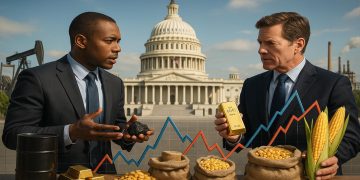
Government policies significantly shape commodity market dynamics, influencing supply, demand, and pricing. Regulations, subsidies, and trade policies impact market stability and consumer costs. Understanding these connections is vital for traders, investors, and consumers to navigate the complexities of commodity markets effectively.

Analysis of Market Trends in Response to Economic Crises

Economic crises significantly influence market trends, affecting consumer behavior, investment strategies, and sector performance. Understanding these dynamics, including shifts in consumer confidence and psychological factors, helps businesses and investors navigate challenges, adapt strategies, and capitalize on emerging opportunities during turbulent times.

The Role of Financial Technologies in the Evolution of Market Dynamics

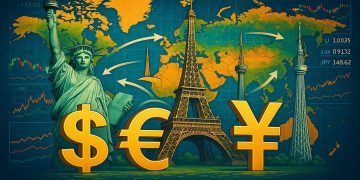
Financial technologies are revolutionizing market dynamics by enhancing accessibility, reducing costs, and improving customer experiences. Innovations like digital payments, blockchain, and robo-advisors empower consumers and businesses alike, fostering inclusivity in finance while driving innovation and personalization in services. The evolution continues to reshape the financial landscape.

How Consumer Psychology Affects Market Dynamics in Specific Sectors

Consumer psychology plays a pivotal role in shaping market dynamics across various sectors. By understanding how emotions, social influences, and perceptions guide consumer behavior, businesses can tailor strategies that foster brand loyalty and enhance engagement. This insight enables companies to adapt to evolving market demands and drive sustainable growth.