Menu

Impact of Interest Rates on Financial Market Dynamics

Interest rates play a crucial role in financial market dynamics, affecting borrowing costs, investment decisions, consumer spending, and stock performance. Understanding these effects helps individuals and businesses navigate economic conditions, make informed financial choices, and strategize effectively, ultimately influencing economic growth and stability.

How Technology Is Transforming Market Dynamics in Finance

The financial sector is experiencing a transformative shift driven by technology, enhancing market dynamics through innovations like data analytics, blockchain, and digital payments. These advancements improve efficiency, accessibility, and customer experiences, compelling financial institutions to adapt in an increasingly competitive landscape. Understanding these changes is crucial for navigating the future of finance.

Fiscal Policies and Inequality: How Government Decisions Affect Social Groups in the USA

Government fiscal policies significantly influence social inequality in the USA, shaping wealth distribution through taxation, public spending, and social programs. The impact varies across demographic groups, highlighting the need for equitable reforms to ensure all citizens can access opportunities and improve their economic mobility. Understanding these dynamics is essential for fostering social justice.

The Impact of Economic Policies on Post-Pandemic Recovery in the USA

The COVID-19 pandemic prompted significant economic policies in the USA aimed at revitalizing post-pandemic recovery. Key measures like fiscal stimulus, monetary policy, and infrastructure investments focus on immediate relief, long-term growth, and addressing income inequality, fostering a more resilient and equitable economy for all Americans.

The Role of Economic Policies in the Stability of the American Labor Market

Economic policies are vital for the stability of the American labor market, influencing job availability, quality, and security. By examining monetary and fiscal policies, labor laws, and government interventions, we can understand their significant impact on employment levels and workforce resilience amid economic fluctuations, ensuring long-term growth and prosperity.

Analysis of Monetary Policies and Their Effect on American Inflation

Monetary policy significantly influences American inflation through tools like interest rates, open market operations, and reserve requirements. The Federal Reserve strives to balance economic growth with inflation control, but factors such as timing lags and external shocks complicate its effectiveness. Understanding these dynamics is crucial for navigating inflationary trends.

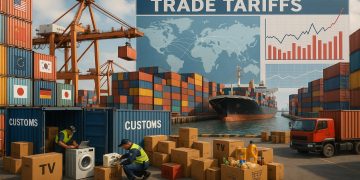
Assessment of Foreign Trade Policies and Their Impact on the US Economy

Foreign trade policies significantly shape the U.S. economy, impacting domestic production, employment rates, and trade deficits. Tariffs and trade agreements influence prices, job stability, and international relations, revealing the complexities of balancing short-term gains with long-term economic health required for sustainable growth and competitiveness in the global market.

The Role of Multinational Corporations in International Financial Dynamics

Multinational corporations are pivotal in shaping international financial dynamics through global operations, capital flows, and innovation. They drive economic growth, influence trade policies, and promote sustainability, thereby enhancing financial stability. Their multifaceted roles are crucial in understanding the interconnectedness of today’s global economy.

The Role of Fintechs in Global Financial Inclusion

Fintech companies are transforming global financial inclusion by providing innovative, accessible financial services. They simplify banking processes, utilize alternative data for credit scoring, and enhance payment solutions, especially for underserved populations. This revolution not only empowers individuals but also fosters economic growth and collaboration, reshaping the financial landscape.

Challenges of Financial Regulation in a Globalized World

In a globalized economy, financial regulation faces challenges such as regulatory divergence, rapid technological advancements, and complexities of cross-border transactions. Effective international cooperation and adaptive frameworks are essential for ensuring compliance, stability, and consumer protection in this evolving financial landscape. Addressing these issues fosters trust and promotes economic growth.