Menu

The Role of Free Trade Agreements in Global Financial Stability

Free trade agreements (FTAs) are crucial for global financial stability as they promote economic growth, enhance competition, and attract investments. By fostering economic interdependence, managing economic shocks, and encouraging cooperation among nations, FTAs help create resilient markets that can withstand volatility, ultimately benefiting both local and global economies.

The Future of Sustainable International Trade and its Investment Opportunities

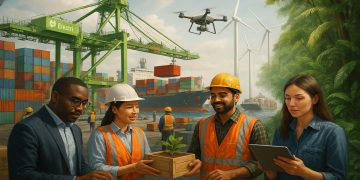
As global awareness of sustainability grows, international trade is evolving to prioritize eco-friendly practices. This shift creates numerous investment opportunities across sectors like renewable energy, sustainable agriculture, and green logistics. By leveraging technology and addressing regulatory challenges, stakeholders can align profit with environmental responsibility, contributing to a sustainable future.

Emerging Trends in International Trade and Their Financial Implications

The article explores emerging trends in international trade, including digitalization, sustainability, and shifts in global supply chains. It highlights financial implications such as currency fluctuations and investment opportunities, emphasizing the importance of adaptability for businesses to thrive in a rapidly evolving global market.

The Role of Digital Currencies in International Trade and Their Financial Implications

Digital currencies are reshaping international trade by offering faster transactions, lower costs, and enhanced security. Their adoption presents opportunities for financial inclusion and access to new markets while also posing challenges such as volatility and regulatory complexities. Businesses must navigate this evolving landscape to remain competitive.

The Impact of Trade Tariffs on the Global Economy

Trade tariffs significantly influence the global economy by altering trade dynamics, affecting consumer prices, and reshaping investment strategies. While intended to protect domestic industries, they can lead to higher prices, mixed employment impacts, and hinder innovation, necessitating careful consideration of long-term economic consequences.

How Digital Technologies Are Transforming International Trade

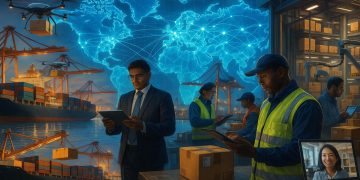
Digital technologies are revolutionizing international trade by enhancing connectivity, streamlining supply chains, and improving efficiency. Innovations like e-commerce, blockchain, and artificial intelligence empower businesses to reach global markets, optimize logistics, and leverage data analytics, ensuring competitiveness in a rapidly evolving global economy. Embracing these tools is essential for success.


Challenges and Opportunities of Sustainable International Trade in a Globalized World

The article explores the challenges and opportunities of sustainable international trade in a globalized world. It highlights environmental degradation, resource inequity, and regulatory disparities as significant issues while emphasizing the potential for innovation, green technology, and consumer awareness to drive sustainable practices and solutions in international markets.

How Technology Is Transforming International Trade

Technology is revolutionizing international trade by enhancing efficiency, enabling small businesses access to global markets, and fostering secure transactions. Innovations like e-commerce platforms, blockchain, and AI streamline logistics and data analysis, creating a more interconnected and responsive marketplace for companies navigating the complexities of global commerce.

The Role of Free Trade Agreements in the Expansion of International Trade

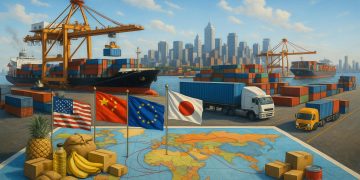
Free trade agreements are crucial in enhancing international trade by lowering tariffs, increasing market access, and fostering economic growth. They strengthen global supply chains, promote innovation, and offer strategic advantages that bolster geopolitical ties. Ultimately, FTAs play a vital role in driving global economic collaboration and prosperity.

The Influence of Digital Currencies on International Trade

Digital currencies are transforming international trade by streamlining cross-border transactions, reducing costs, and enhancing security. With their decentralized nature, lower fees, and rapid processing, these currencies empower businesses of all sizes while fostering trust in global supply chains, paving the way for a more inclusive and dynamic marketplace.