Credit Cards vs. Debit Cards: Which is the Better Option for Your Everyday Purchases?
Understanding Your Payment Options
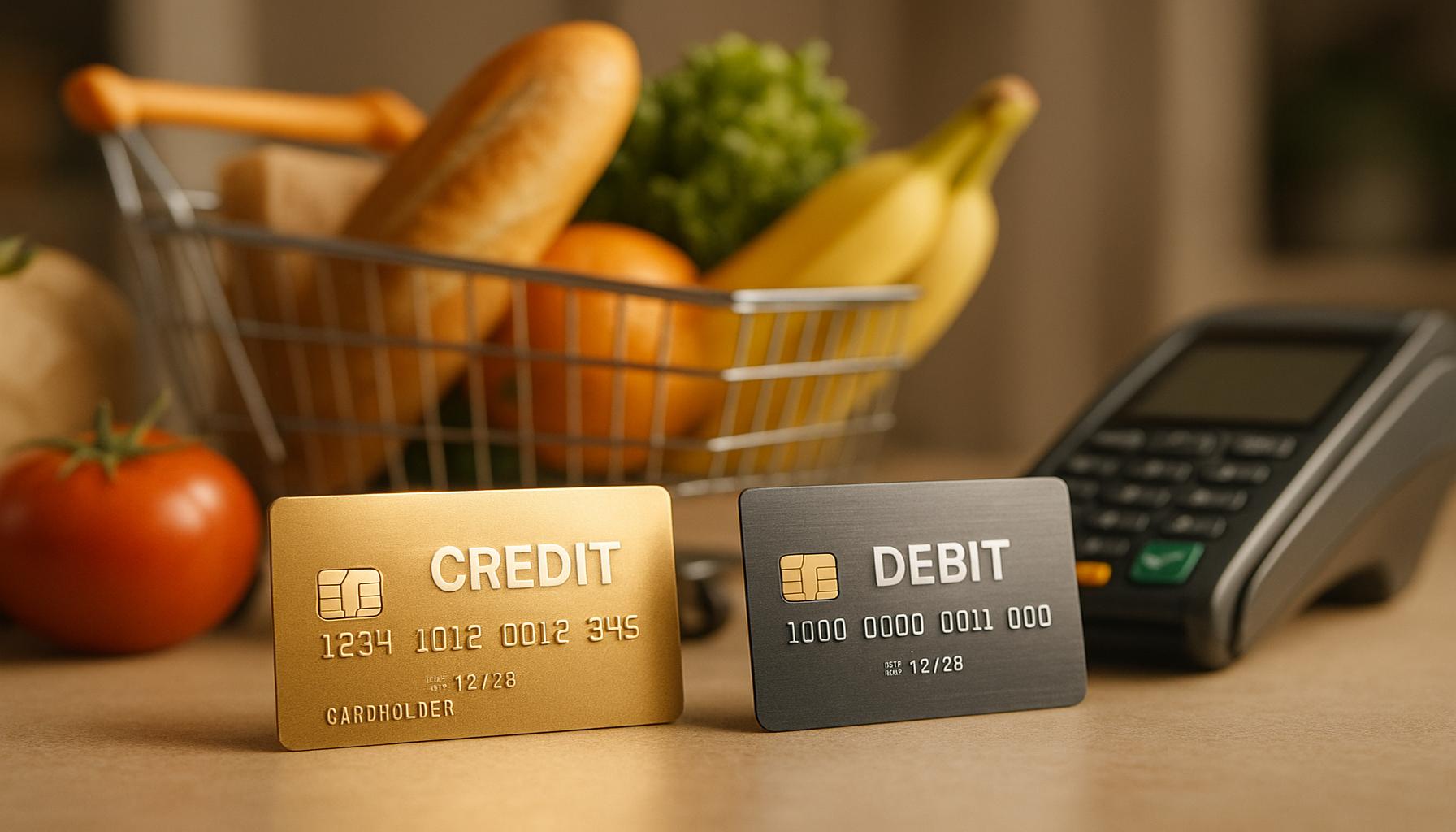
When it comes to managing your finances, choosing between credit cards and debit cards can be a critical decision. Both options have distinct features that cater to different spending habits and financial goals, making it essential to understand their advantages and disadvantages.
Let’s break down the key aspects of each option:
- Credit Cards:
- Borrowing Potential: Credit cards allow you to borrow money up to a predetermined limit set by the credit issuer. For example, if you have a $5,000 limit and an emergency arises where you need to cover an unexpected car repair, your credit card can be a lifesaver. However, it is crucial to manage this borrowing wisely, as accumulating debt can lead to high interest payments.
- Building Credit Score: Regular use of a credit card, particularly if you make timely payments, can help build your credit score. A stronger credit score is beneficial when applying for loans or mortgages, often leading to better interest rates. For instance, individuals who consistently pay their credit card bills on time tend to have higher credit scores, making them more attractive to lenders.
- Rewards Programs: Many credit cards come with attractive rewards programs, offering perks such as cash back or travel points. For instance, a credit card might offer 1.5% cash back on all purchases, allowing you to earn money back on your everyday spending.
- Debit Cards:
- Direct Bank Link: Debit cards are linked directly to your checking account, which means each transaction deducts funds immediately from your available balance. This feature can help you avoid overspending, as you can only use the money that is already in your account.
- Spending Management: Since debit cards limit spending to your existing funds, they can be an effective tool for budgeting. For instance, if you set a monthly limit on your spending, only using a debit card can help you stick to that budget without the temptation of borrowing additional funds.
- Lower Fees: Generally, debit cards have lower fees compared to credit cards. They typically do not charge interest, as you are not borrowing money. Depending on your bank, you may also avoid monthly maintenance fees if certain conditions are met, such as maintaining a minimum balance.
Understanding these features is essential for making an informed choice. It’s not just about how you pay; it also affects your financial health. For example, someone regularly using a credit card without managing their payments could face credit issues in the long run, while a person diligently using a debit card may find budgeting easier.
By exploring both the advantages and disadvantages of credit and debit cards, you’ll have a clearer perspective and can choose the option that best fits your everyday purchases and financial habits. Whether it’s building your credit or sticking to a budget, understanding your payment options is the key to financial success.
DISCOVER MORE: Click here to learn about the impact of digital currencies
Weighing the Pros and Cons
To make an informed decision between credit cards and debit cards, it’s crucial to delve into their pros and cons more thoroughly. Each has its unique strengths that can significantly influence your shopping and budgeting experience.
Advantages of Credit Cards
- Flexibility in Payments: Credit cards allow you to make purchases even when your bank account is low. For example, if you’re in a pinch and need to buy groceries, a credit card provides the ability to cover costs temporarily, allowing you to pay it off later.
- Purchase Protection: Many credit cards offer robust buyer protection, meaning if your purchase is lost or damaged within a certain period, you may be eligible for a refund or replacement. This can be particularly valuable for expensive items, such as electronics or furniture.
- Travel Benefits: If you travel frequently, some credit cards provide additional perks like travel insurance, rental car coverage, or airline miles. For example, certain cards allow you to accumulate miles that can lead to free flights or hotel stays, enhancing your travel experience.
Disadvantages of Credit Cards
- High Interest Rates: One of the biggest downsides of credit cards is the potential for high-interest rates on unpaid balances. If you do not pay off your full balance by the due date, you may end up paying significant amounts in interest. For example, if you carry a $1,000 balance on a card with a 20% interest rate, the annual interest payment could add up quickly.
- Impact on Credit Score: While responsible use can build your credit score, mismanagement can lead to a decrease in your score. Missed payments or high credit utilization can harm your financial reputation, making it harder to secure loans when needed.
- Potential for Overspending: The accessibility of credit can lead some individuals to spend beyond their means. For example, the ease of swiping your credit card might encourage impulsive purchases, which can spiral into financial trouble if not carefully monitored.
Advantages of Debit Cards
- Immediate Payment: Debit cards draw directly from your checking account, which means you cannot carry a balance like with credit cards. This automatic deduction can prevent you from overspending, helping you maintain a healthier budget.
- No Interest Payments: Since you’re using your own money, debit cards do not incur interest payments. This means the total cost of your purchases remains transparent, making it easier to track your spending. For instance, if you only spend what you have, you’re less likely to fall into debt.
- Ease of Use: Debit cards are widely accepted in stores, online, and at ATMs, making them a convenient option for everyday transactions. You can easily pay for your coffee, groceries, or gas without worrying about exceeding your credit limit.
As you weigh these aspects, consider not just your purchasing habits but also your financial goals. Understanding how each option fits into your lifestyle can guide you in making a choice that aligns with your needs.
DISCOVER MORE: Click here for essential tips on managing credit card debt
Evaluating Your Lifestyle and Financial Health
When deciding between credit cards and debit cards, it’s imperative to consider how your personal lifestyle and financial health influence your choices. Both options serve distinct purposes, and understanding their nuances can help tailor them to fit your daily needs effectively.
Disadvantages of Debit Cards
- Limited Rewards and Perks: Unlike many credit cards, debit cards generally fall short when it comes to rewards programs. While some banks may offer cash back or points on debit transactions, these rewards are often less lucrative than credit card offerings. For example, a travel reward credit card might allow you to accumulate points for every dollar spent, which can eventually lead to free flights or hotel stays, something a debit card typically cannot match.
- Overdraft Fees: If you’re not careful with your account balance, using a debit card can lead to overdrafts. Some banks allow transactions that exceed your balance but will charge hefty fees for each occurrence, potentially leading to financial strain on your budget. For instance, if you make a $50 purchase when your account only has $30, you might incur an overdraft fee of $35, worsening your financial situation.
- Fraudulent Transactions: While debit cards do offer some level of protection against fraud, they do not provide the same security as credit cards. If someone gains access to your debit card information, they can directly access your checking account and deplete it quickly. Credit cards often have more robust fraud protection policies, allowing you to dispute charges before the payments go through and prevent immediate financial loss.
Using Credit Cards Responsibly
Utilizing a credit card can be advantageous if managed correctly. Here are some strategies for responsible credit card use:
- Pay in Full: To avoid interest charges, aim to pay your balance in full every month. This practice helps you build a positive credit history while avoiding the pitfalls of debt accumulation.
- Know Your Limits: Understanding your credit limit is essential to managing your spending effectively. Staying within 30% of your limit is generally recommended to maintain a healthy credit score.
- Utilize Budgeting Tools: Many credit card companies offer tools and apps that can help you track spending, categorize expenses, and manage your budget. This oversight can help you remain disciplined with your finances, maintaining a balance between convenience and responsibility.
Choosing the Right Card for Your Purchases
Your choice between credit or debit cards may also depend on your purchasing habits. For larger purchases or expenses where you want the added buyer protection, a credit card could be more suitable. In contrast, if you frequently make smaller everyday purchases and prefer to keep strict control over your spending, a debit card might align better with your needs.
It is also worth considering that some individuals successfully use both cards for different scenarios. For example, using a debit card for everyday purchases minimizes the temptation to overspend while also providing a clear view of your available funds, whereas utilizing a credit card for travel or larger purchases maximizes benefits and rewards.
Ultimately, whichever option you choose, evaluating your financial habits and remaining mindful of your spending can lead to a more prosperous financial future.
DISCOVER: Click here to gain insights
Conclusion
In conclusion, choosing between credit cards and debit cards ultimately boils down to your personal financial habits and preferences. Each option has its unique advantages and disadvantages. Credit cards can offer substantial benefits, like rewards and enhanced fraud protection, if used responsibly. Conversely, debit cards encourage mindful spending and provide a straightforward way to manage your finances without risking debt.
It’s essential to assess your lifestyle needs—consider questions like: Do you frequently travel and want to earn rewards? Or do you prefer the discipline of only spending money you already have? By reflecting on your purchasing behavior and aligning it with the strengths of each card type, you can make an informed choice that suits your financial goals.
Moreover, many individuals find success in employing a combination of both cards, using debit for daily expenses to maintain budgeting control and credit for larger purchases to take advantage of rewards. Whichever path you choose, the most important aspect is to handle your finances with care—keep your spending habits in check, stay informed about your account activity, and prioritize timely payments. With a strategic approach, both credit and debit cards can serve as valuable tools in achieving a healthy financial lifestyle.

Linda Carter
Linda Carter is a writer and expert known for producing clear, engaging, and easy-to-understand content. With solid experience guiding people in achieving their goals, she shares valuable insights and practical guidance. Her mission is to support readers in making informed choices and achieving significant progress.