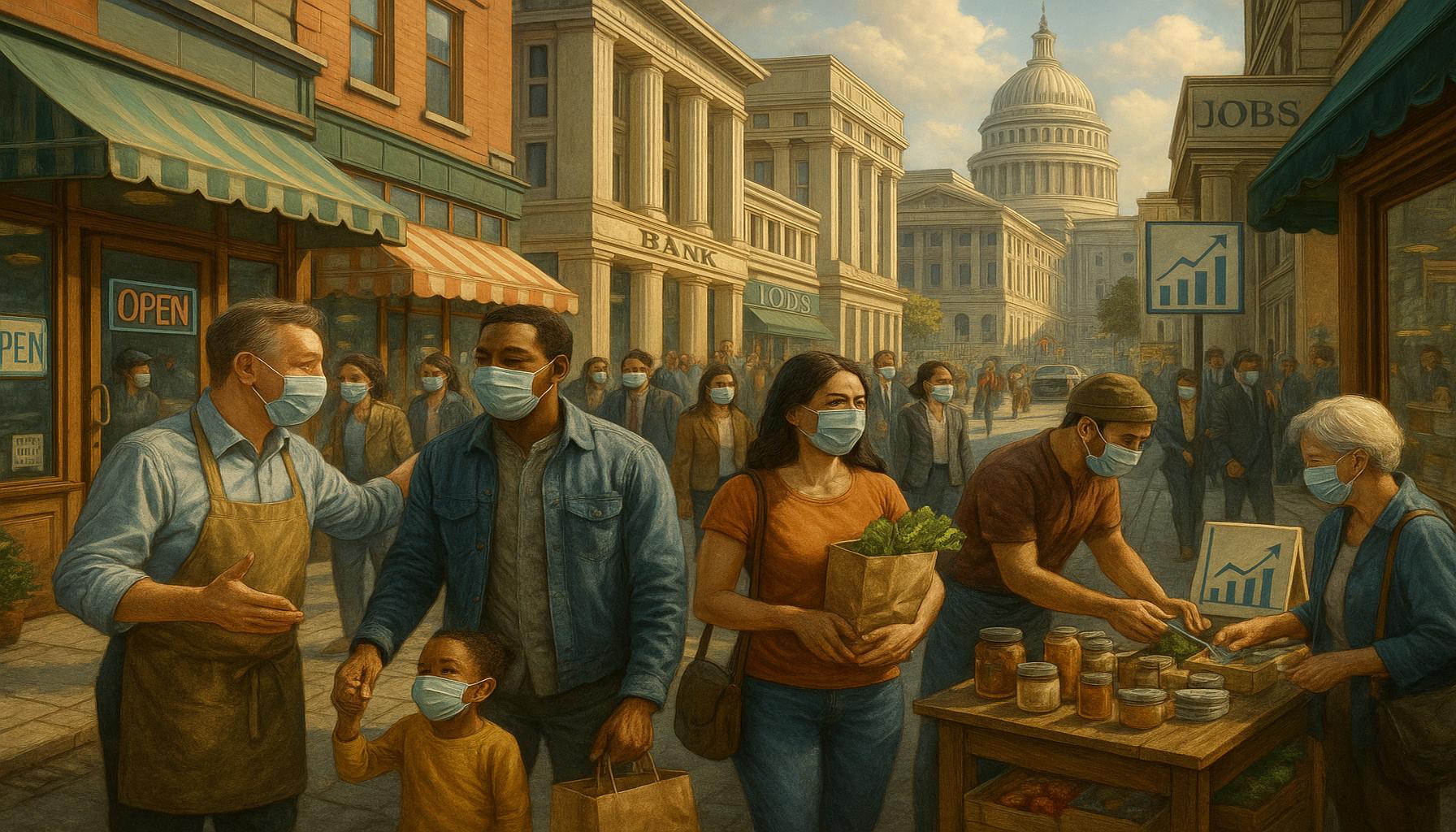
Fiscal Policies and Inequality: How Government Decisions Affect Social Groups in the USA

The choices made by the government regarding fiscal policies play a crucial role in shaping the economic landscape of the United States. These policies can either bridge or widen the gap between different social groups. Understanding how these decisions impact inequality is essential for fostering a more equitable society.
Key Factors Linking Fiscal Policies to Social Inequality
Several key factors highlight the connection between fiscal policies and social inequality:
- Taxation: The way taxes are structured can favor certain incomes over others, affecting wealth distribution. For example, a flat tax system might disproportionately benefit the wealthy who pay a lower effective tax rate compared to their income level, while individuals in lower income brackets pay a higher percentage of their earnings in taxes.
- Public Spending: Investments in education, healthcare, and infrastructure can either uplift marginalized communities or leave them behind. For instance, when the government allocates more funding to public schools in affluent neighborhoods, it creates a disparity in educational resources, limiting opportunities for children in underfunded areas.
- Social Programs: Welfare initiatives can provide crucial support for low-income families, but funding cuts can have adverse effects. Programs such as Supplemental Nutrition Assistance Program (SNAP) and Medicaid are vital for many households; cuts to these programs can lead to increased food insecurity and unmet healthcare needs.
Impacts on Different Demographic Groups
To illustrate these impacts, consider how various demographic groups may experience financial realities:
- Low-income individuals: They often rely heavily on social welfare programs for basic necessities like food and housing. For instance, a family with a single parent working minimum wage may struggle to meet daily expenses, and any cuts to social programs could push them deeper into poverty.
- Middle-class families: Tax policies can significantly alleviate or exacerbate their financial stress. A tax cut that leaves more disposable income can boost spending and savings, while a tax increase may force families to make tough decisions about budgeting for necessities versus discretionary spending.
- Wealthy households: They may benefit from tax breaks that further increase their wealth compared to lower-income brackets. For instance, capital gains tax cuts effectively reduce the tax burden on investments, primarily benefiting those who can afford to invest heavily.
Understanding and Engagement
By analyzing these elements, we can better understand the complex interactions between fiscal policies and social inequality in America. This knowledge empowers citizens to engage in discussions about developing a fairer economic framework for all. As individuals become more aware of how government choices impact their lives and the lives of those in their communities, they can advocate for policies that promote fairness and equal opportunity, striving for an economy that works for everyone, not just a select few.
DISCOVER MORE: Click here to learn about applying for the Goodyear credit card
The Mechanisms of Fiscal Policies Affecting Inequality
To comprehend how fiscal policies drive inequality, it is essential to explore the mechanisms through which government actions manifest their influence on various social groups. The interplay between taxation, public expenditure, and social programs creates a web of financial realities that are felt differently depending on an individual’s socioeconomic status.
Taxation Structures and Their Consequences
Taxation is one of the most direct ways that fiscal policies impact income distribution. Different tax structures can either alleviate or exacerbate income disparities. For instance, in a progressive tax system, higher earners pay a larger percentage of their income in taxes compared to lower earners. This approach aims to redistribute wealth and fund essential services that benefit society as a whole. Conversely, a regressive tax system, which might often arise in the form of sales taxes or flat income taxes, can disproportionately burden low-income individuals. These individuals may spend a significant portion of their income on these taxes, whereas wealthy individuals can more easily absorb the same tax burdens.
Public Spending: A Double-Edged Sword
Public spending plays a pivotal role in shaping opportunities. When government funds are allocated effectively, they can address critical societal needs. However, disparities in public investment create stark differences in the quality of services available to various communities. Consider public education: schools in affluent neighborhoods often receive more funding, allowing them to provide better facilities, more experienced teachers, and advanced technology. Meanwhile, schools in low-income areas may lack basic resources, resulting in lower educational outcomes. This inequity hinders the potential of children from disadvantaged backgrounds, perpetuating a cycle of poverty and limiting their future opportunities.
The Importance of Social Programs
Social welfare programs are a safety net for millions of Americans, helping families meet basic needs such as food, shelter, and healthcare. Programs like Temporary Assistance for Needy Families (TANF) and Medicaid are essential for many low-income families. However, when these programs face budget cuts or reform, the consequences can be dire. For instance, reductions in TANF funding may leave families without sufficient support during times of unemployment, pushing them further into hardship. Similarly, cuts to Medicaid can limit access to necessary medical care, disproportionately affecting low-income populations who rely on these services for their health and well-being.
Key Takeaways on Fiscal Policies and Inequality
- Taxation: The structure of taxes can create disparities that favor the wealthy over low-income individuals.
- Public Spending: Investments in vital areas can perpetuate or mitigate inequality based on geographic and demographic factors.
- Social Programs: Funding cuts can severely impact the well-being of low-income families, increasing their vulnerability.
Recognizing these mechanisms enables a deeper understanding of how fiscal policies not only impact revenue generation but also shape the lived experiences of various social groups across the United States.
DIVE DEEPER: Click here for more insights
The Broader Implications of Fiscal Policies on Society
Beyond the immediate mechanics of taxation and public spending, the broader implications of fiscal policies reveal deeper societal issues that intertwine with inequality. Issues such as economic mobility, regional disparities, and systemic barriers significantly influence how different social groups experience the effects of government fiscal decisions.
Economic Mobility: The Role of Fiscal Policies
Economic mobility, or the ability of individuals or families to improve their economic status, is greatly influenced by fiscal policies. Research indicates that regions with more equitable taxation and robust public services show higher rates of upward mobility. For instance, effective investment in early childhood education and job training programs can empower individuals from low-income backgrounds to secure better employment opportunities. On the flip side, areas with limited public investment often trap families in cycles of poverty, where opportunities for economic advancement are slim, thereby reinforcing existing inequalities.
Regional Disparities and their Impact
Fiscal policies can also create or exacerbate regional disparities. For example, government spending tends to be concentrated in urban areas, leading to higher quality infrastructure, healthcare, and educational facilities in cities compared to rural regions. As a result, residents of rural areas often face challenges in accessing crucial services and employment opportunities, further widening the inequality gap. In states like Mississippi and West Virginia, insufficient investment in infrastructure and services has left these communities struggling to attract businesses and retain their populations. This situation leads to a feedback loop where low investment results in poor outcomes, making it harder for these regions to thrive.
Systemic Barriers and Discrimination
Systemic barriers, often linked to issues of race and class, are another aspect of how fiscal policies influence inequality. Discriminatory practices in housing, lending, and employment contribute to unequal financial outcomes. For instance, the historical practice of redlining has resulted in long-lasting effects on African American and Latino communities, limiting their access to affordable housing and quality education. Fiscal policies that do not adequately address these systemic issues can further entrench disparities. The federal government’s role in providing equitable funding for schools and promoting fair housing regulations is crucial in dismantling these barriers.
The Connection Between Fiscal Policy and Social Justice
Understanding the connections between fiscal policy and social justice illustrates the need for comprehensive reform aimed at addressing inequality. Innovations such as universal basic income (UBI) proposals and expanded tax credits for low-income families are examples of fiscal strategies that could help level the playing field. By providing financial support directly to individuals rather than relying solely on indirect mechanisms, governments can empower historically marginalized groups to attain greater fiscal independence and economic stability.
Key Insights on the Intersection of Fiscal Policy and Inequality
- Economic Mobility: Fiscal investments in education and job training can enhance economic mobility for low-income individuals.
- Regional Disparities: Unequal public spending leads to significant differences in quality of life between urban and rural areas.
- Systemic Barriers: Historical and systemic discrimination continues to impact wealth distribution and educational access, necessitating targeted policy interventions.
- Innovative Solutions: New ideas like UBI could represent a paradigm shift in how fiscal policies address inequality.
By understanding the broader implications of fiscal policies, we can better grasp how government choices resonate throughout society, shaping not only financial landscapes but also the fundamental social fabric of the United States.
DISCOVER MORE: Click here for detailed application tips
Conclusion
In summary, fiscal policies play a pivotal role in shaping the landscape of inequality in the United States. The choices made by the government regarding taxation and public spending influence not only economic growth but also the broader social dynamics that define the lives of individuals within various communities. Recognizing that economic mobility can be significantly enhanced through targeted investments in education and workforce development is essential for any effort to dismantle existing barriers to success.
Moreover, the stark regional disparities resulting from uneven government investment necessitate a thorough examination of how resources are allocated. Rural regions, often left behind, suffer from inadequate support that stifles their potential for growth and sustains a cycle of poverty. It is imperative that policymakers prioritize equitable funding across diverse regions to ensure all Americans have access to vital services and opportunities.
Lastly, addressing the systemic barriers that historically have affected marginalized communities is crucial for fostering genuine social justice. Policies aimed at reducing discrimination, such as fair housing initiatives and targeted economic support, are fundamental in creating a more equal society. As we explore innovative solutions like universal basic income, we must emphasize the importance of inclusive fiscal policies that elevate everyone.
Ultimately, the relationship between fiscal policies and inequality reveals a complex web of interconnections that demand our attention. By advocating for comprehensive reforms and shining a light on these issues, we can work towards a more equitable future where every individual has the opportunity to thrive, regardless of their background or circumstances.