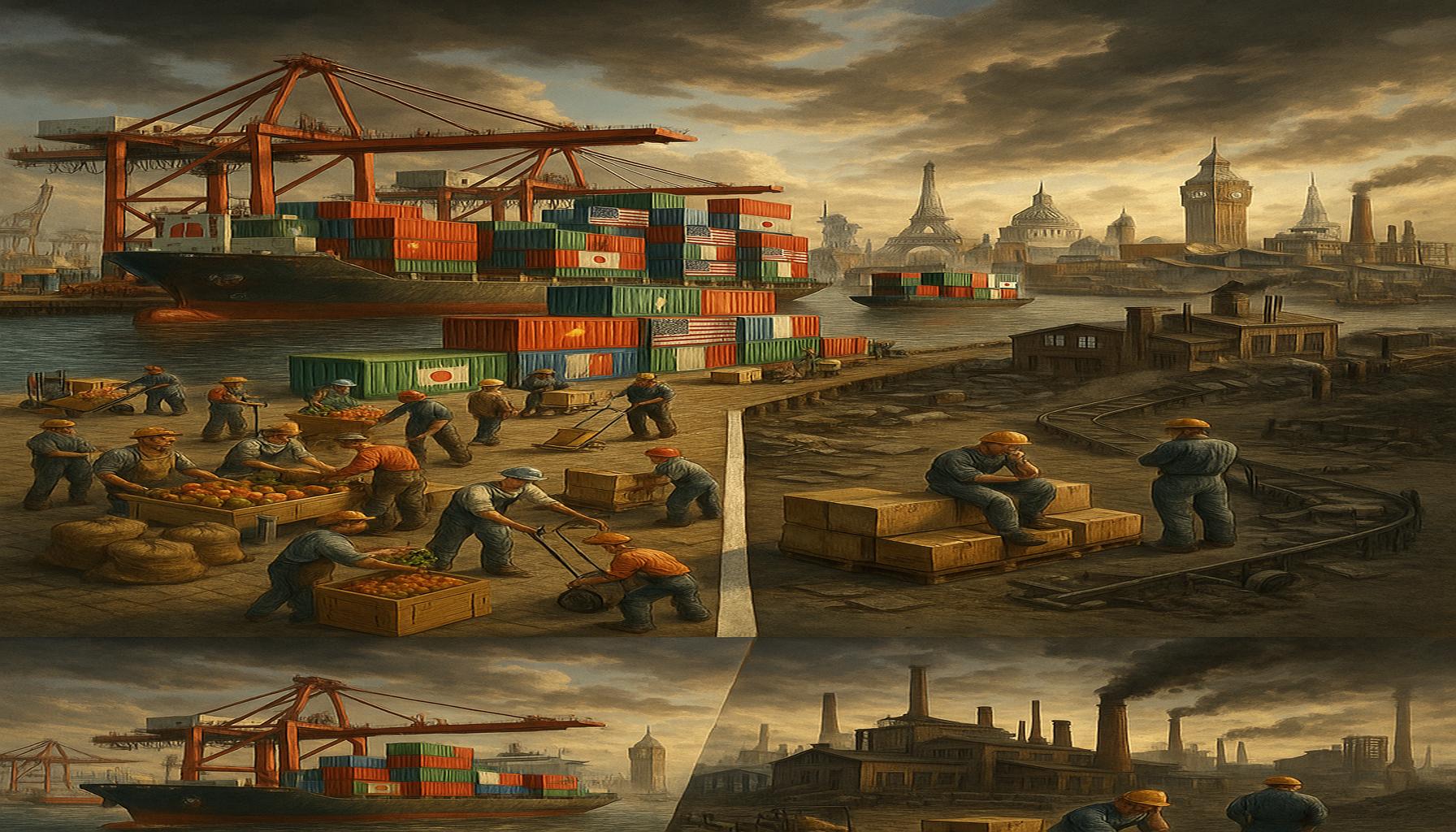
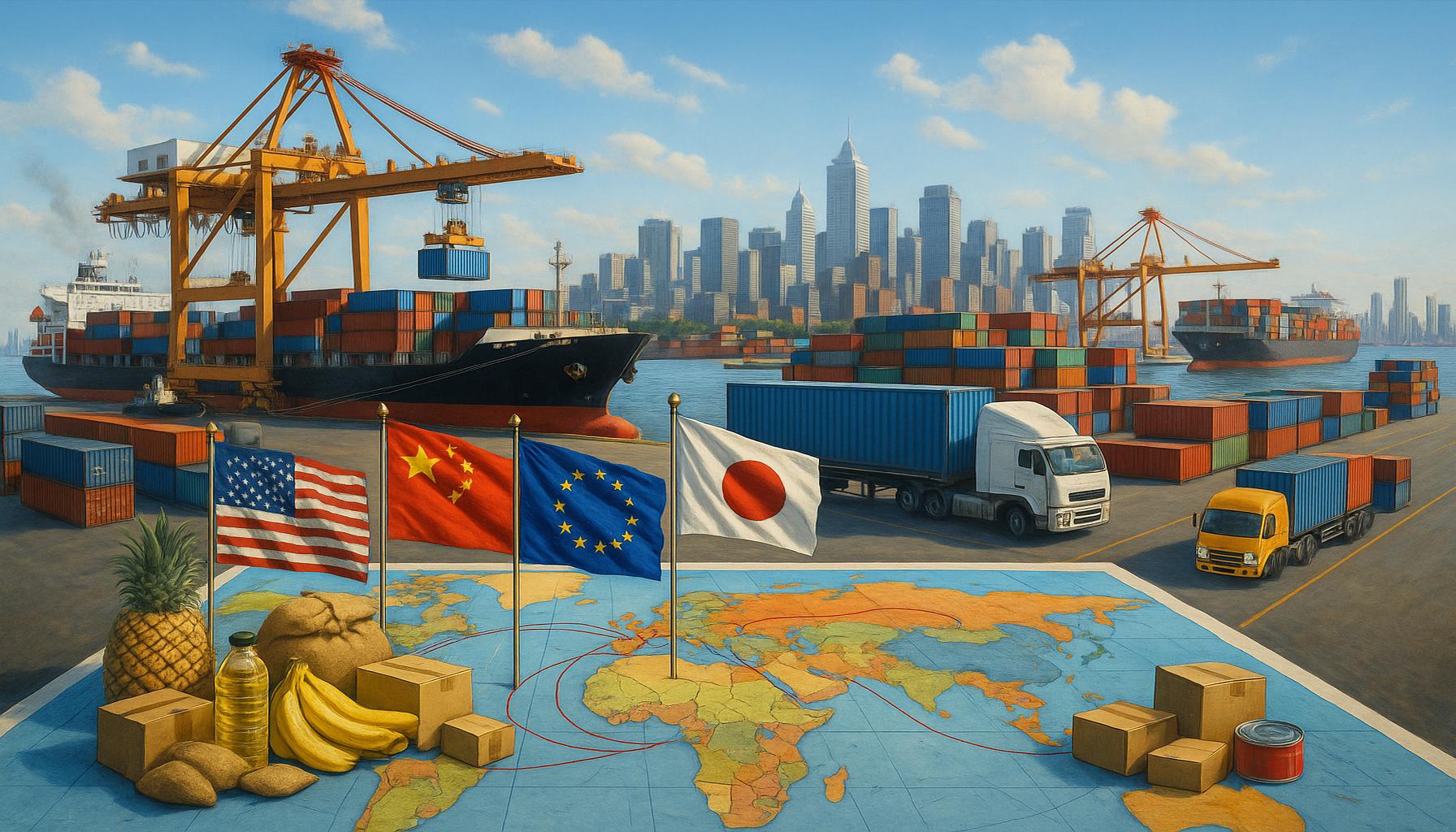
How Digital Technologies Are Transforming International Trade
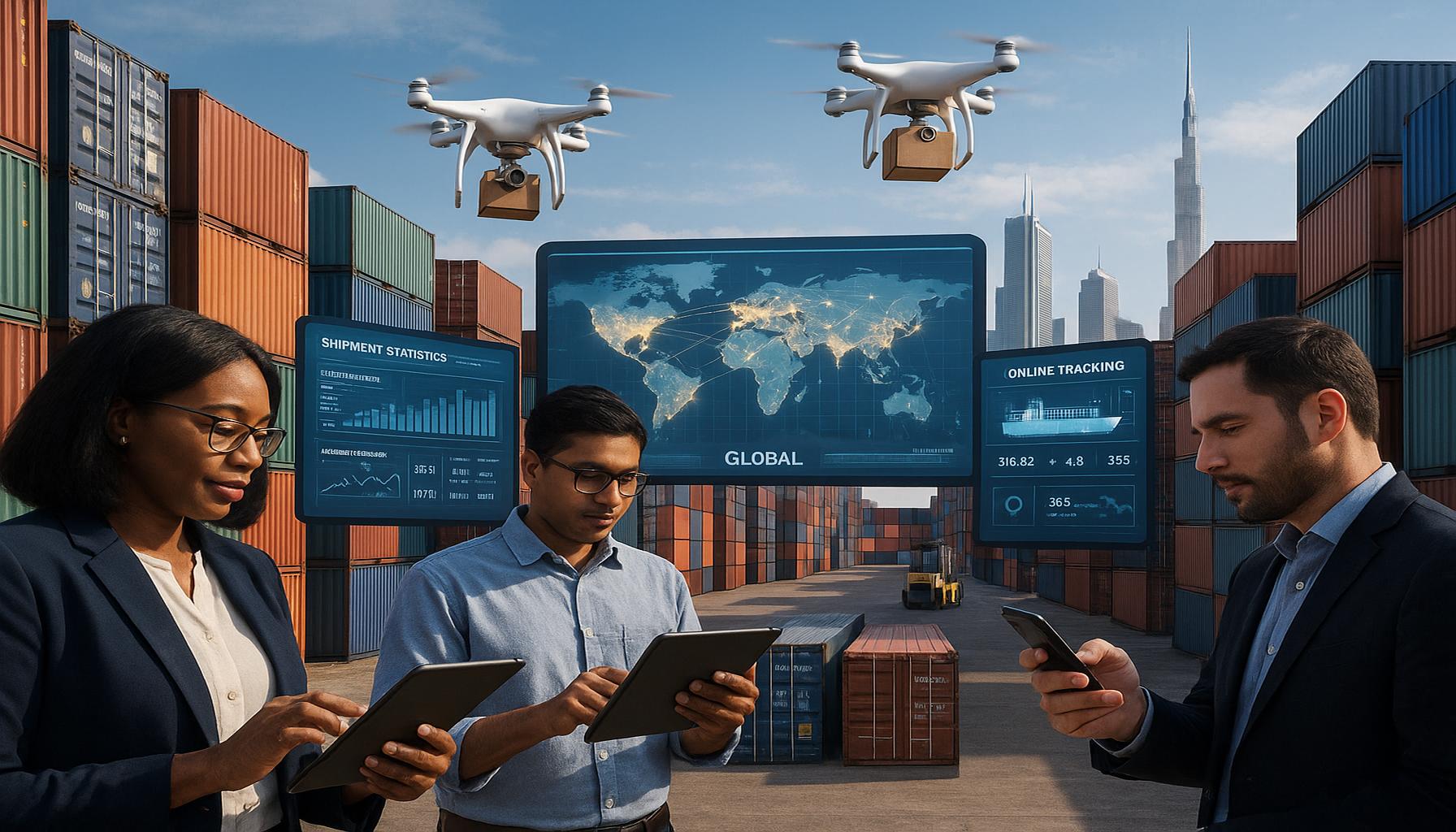
The Impact of Digital Technologies on International Trade
The landscape of international trade is evolving at an unprecedented pace, and at the heart of this transformation lie digital technologies. These technologies are fostering greater connectivity and efficiency across global markets, drastically reshaping how businesses operate and altering the dynamics of supply chains and consumer behavior.
Key Innovations
Digital technologies are making their mark in several significant ways:
- E-commerce platforms enable businesses of all sizes to reach customers worldwide with remarkable ease. For example, a local artisan in the Midwest can now sell handcrafted goods to consumers across Asia using platforms like Etsy or Amazon, thus eliminating geographical barriers.
- Blockchain technology enhances transparency and security in transactions. By utilizing blockchain, companies can track the provenance of goods with a higher degree of accuracy, helping to ensure authenticity and mitigate fraud. For example, food producers can use this technology to trace produce from farm to table, providing consumers with assurance about their food sources.
- Artificial intelligence optimizes logistics and provides predictive analyses of market trends. AI can analyze vast amounts of data to forecast demand, allowing businesses to streamline inventory management. For example, a company can adjust its supply chain dynamically based on AI-detected shifts in consumer preferences during peak shopping seasons.
- Data analytics provides valuable insights into consumer preferences and behaviors. With the ability to analyze data from various sources, businesses can tailor marketing strategies to forecast demand and increase customer satisfaction. For instance, retailers can use analytics to identify trends in purchasing behaviors, enabling them to stock products that align with customer interests.
Real-World Applications
These innovations are not merely theoretical; they are actively utilized by companies across all sectors. Small retailers, for instance, can access international markets through online marketplaces like Amazon and eBay, leveling the playing field with large corporations. A small-scale craft brewery can ship its unique beers globally without needing a physical storefront abroad, thus expanding its reach significantly.
As the digital frontier expands, the implications for international trade grow more profound. Whether you are a seasoned exporter or a novice looking to explore global opportunities, understanding these technological advancements is essential. By leveraging digital tools, businesses can not only enhance operational efficiency but also adapt quickly to changing market conditions, leading to robust competitive advantages.
In summary, embracing digital technologies is no longer optional but a necessity for companies aiming to thrive in the rapidly evolving world of international trade.
DISCOVER MORE: Click here to learn how technology is reshaping global trade
Revolutionizing Business Models and Market Access
The landscape of international trade is undergoing a significant transformation driven by the rapid advancement of digital technologies. These technologies not only enhance connectivity but also empower businesses to rethink and reformulate their traditional operating models. Today, companies are no longer confined to their local markets; they can seamlessly expand their reach across the globe, establishing operations and customer relationships with unprecedented ease.
Enhanced Customer Reach
One of the most remarkable advantages of digital technologies is the capacity for businesses to connect with a broader audience than ever before. The rise of online marketplaces like Amazon, eBay, and Etsy has dramatically leveled the playing field for small and medium-sized enterprises (SMEs). These platforms allow businesses to reach international customers without the burdensome expenses associated with setting up physical stores abroad. The benefits are multifaceted:
- Cost Efficiency: Opening a brick-and-mortar store in a foreign country can involve significant costs, such as rent, utilities, and staffing. Digital solutions, on the other hand, provided by e-commerce platforms enable businesses to establish an online storefront with minimal initial investment, often just requiring a subscription fee. For instance, a small artisanal candle maker can set up an online shop on Shopify for a fraction of the cost, allowing them to tap into international markets.
- 24/7 Availability: Unlike traditional retail stores that operate within set hours, e-commerce websites provide a constant shopping option to consumers. This continuous availability is particularly advantageous for customers in different time zones. A shopper in Europe can browse an American website in the evening while the U.S. is asleep, which means more opportunities for sales to occur around the clock.
- Customer Insights: Digital sales channels are a gold mine of data, offering insights into customer behaviors and preferences. Businesses can leverage analytics tools to understand what products sell best and when. For example, a children’s toy retailer could analyze sales data to identify seasonal trends, allowing them to stock suitable items just before the holiday shopping rush.
The Role of Digital Payment Solutions
Another key component in enhancing international trade is the development of digital payment solutions. Platforms such as PayPal, Stripe, and Square have streamlined cross-border transactions, enabling businesses to effortlessly accept payments from customers across the globe. This simplicity not only fosters trust but also encourages higher rates of conversion. Imagine a small organic skincare company in California that sells its products to consumers in Australia: with digital payment solutions, they can process transactions in Australian dollars, ensuring clarity and convenience for both parties.
Furthermore, emerging cryptocurrencies are beginning to make their mark on global transactions as well. These digital currencies offer benefits such as lower transaction fees and increased privacy, appealing to businesses and customers eager for efficiency and security. For instance, a tech startup could accept Bitcoin payments, bypassing traditional currency conversion fees, thereby enabling faster and cheaper transactions.
In conclusion, the integration of digital technologies is fundamentally altering the fabric of business models in international trade. By adopting online marketplaces and leveraging digital payment solutions, companies can effectively eliminate traditional geographical barriers and enhance their competitive edge in the vast global marketplace. As businesses continue to embrace these innovations, they can anticipate a future where global market access is not just a luxury, but a standard operating procedure.
DISCOVER MORE: Click here to learn about government policies and market dynamics
Streamlining Supply Chains and Logistics
As digital technologies continue to evolve, their impact on international trade extends beyond customer engagement and payment solutions; they are also revolutionizing supply chain management and logistics. Optimizing these areas is crucial for businesses that aim to thrive in a competitive global market. The utilization of digital tools enhances efficiency, reduces operational costs, and improves service delivery.
IoT and Real-Time Tracking
The integration of the Internet of Things (IoT) in logistics has made significant strides in international trade. IoT devices, such as connected sensors and GPS trackers, allow businesses to monitor the location and condition of their goods in real-time. For example, a wine distributor can use IoT-enabled temperature sensors to ensure that their products are kept within a prescribed temperature range during transport, safeguarding quality. This real-time visibility not only helps prevent losses but also enhances transparency, which is crucial in building trust with international partners and customers.
Supply Chain Automation
Automation tools powered by artificial intelligence (AI) and machine learning are transforming how businesses manage their supply chains. These technologies analyze vast amounts of data to identify inefficiencies and recommend improvements. For instance, a textile manufacturer may employ AI algorithms to forecast demand based on seasonal trends and social media analysis, enabling them to optimize their inventory levels for international shipments. As a result, businesses can minimize waste and avoid stockouts, ultimately reducing costs and increasing customer satisfaction.
Blockchain for Enhanced Security and Transparency
Another groundbreaking technology shaping international trade is blockchain. This decentralized ledger system enhances the transparency and security of transactions, which is particularly advantageous in trade where trust is paramount. By recording every transaction on a secure and unalterable ledger, businesses can easily trace the journey of goods from the manufacturer to the end customer. For example, a coffee exporter can use blockchain to ensure that their product originates from fair-trade farms, providing consumers with an authentic source story and building brand credibility.
Moreover, the implementation of smart contracts—self-executing contracts with the terms of the agreement directly written into code—simplifies and speeds up the documentation process. This technology can eliminate bureaucratic delays in customs clearance, which is often a lengthy hurdle in international trade. Imagine a machinery exporter that utilizes smart contracts to automate the release of payments once goods have successfully cleared border control, resulting in faster transactions and reduced administrative burdens.
The Impact of Data Analytics
Lastly, the significance of data analytics in optimizing international trade cannot be overlooked. Companies can harness big data to anticipate market changes, analyze customer preferences, and streamline logistics operations. For instance, a food exporter may analyze data to determine the optimal routes for shipping based on historical traffic patterns, weather conditions, and even political climates. This predictive capability allows companies to cut costs and ensure timely deliveries, providing a competitive edge in the global market.
In summary, the advancements in supply chain technologies—from IoT and blockchain to automation and data analytics—are reshaping how businesses approach international trade. By embracing these innovations, companies can not only enhance their operational efficiency but also foster greater trust and collaboration in the global marketplace.
DISCOVER MORE: Click here for details on applying
Conclusion
In today’s rapidly evolving global economy, the role of digital technologies in transforming international trade cannot be overstated. From enhancing supply chain management through real-time tracking via the Internet of Things (IoT) to leveraging AI-driven automation for inventory optimization, these innovations enable businesses to operate more efficiently and competitively on the world stage. The incorporation of blockchain technology not only improves transaction security but also fosters transparency, which is vital for building trust between international partners.
Moreover, the use of data analytics allows companies to make informed decisions based on market trends and consumer behavior, ultimately leading to better service delivery and customer satisfaction. As logistics and supply chain processes become increasingly digitized, businesses that harness these technologies will likely gain a significant advantage in navigating the complexities of global trade.
As we look ahead, it is crucial for companies to continuously adapt to these technological advancements and explore new digital tools that emerge. By embracing this digital transformation, businesses can position themselves not only to survive but to thrive in an ever-changing international trading landscape. Ultimately, the integration of digital technologies is a game-changing opportunity that can lead to improved operational efficiency and greater success in the global market.