How Globalization Redefines Market Dynamics in Traditional Industries
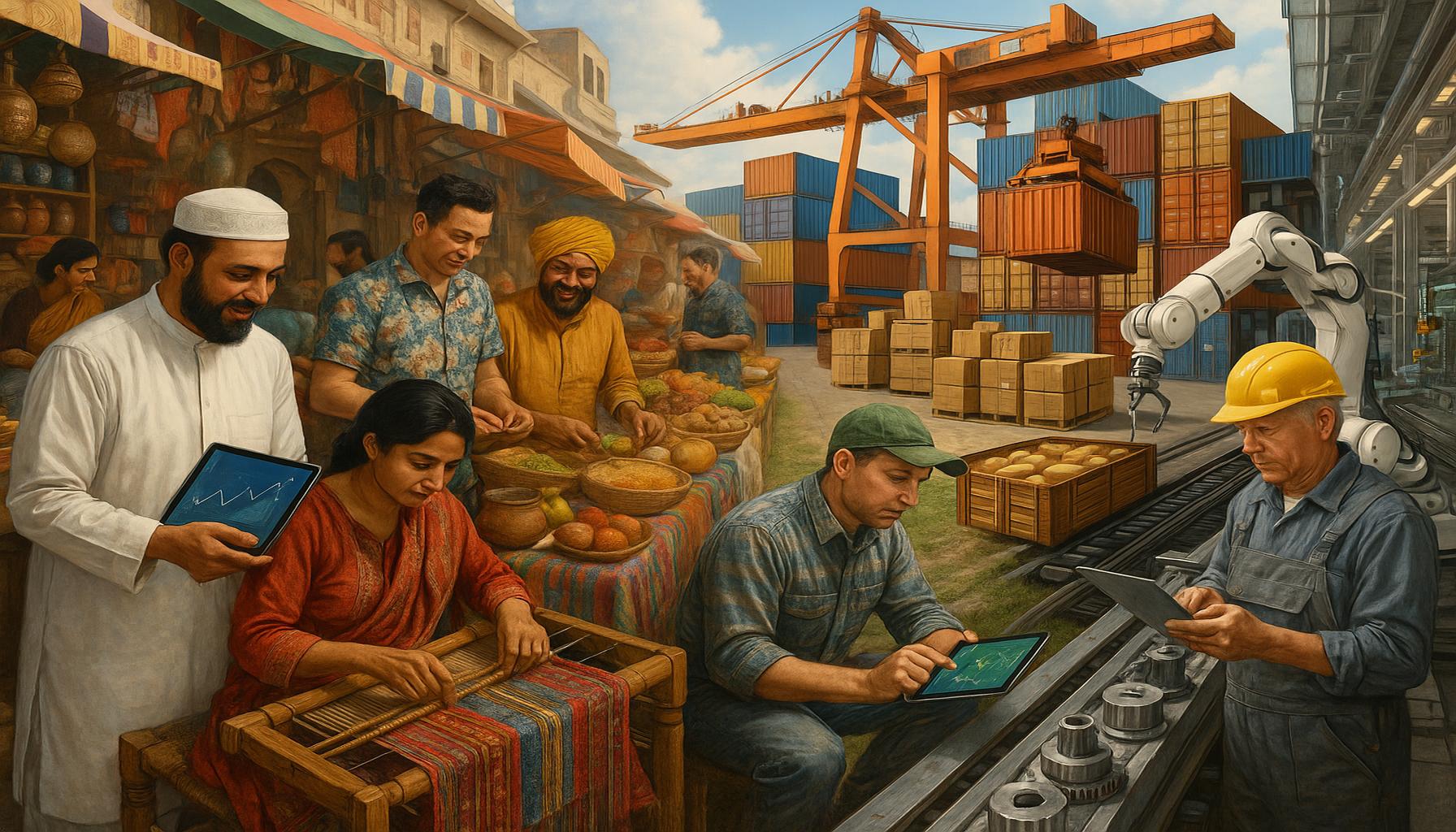
The Impact of Globalization on Traditional Markets
Globalization is reshaping the landscape of traditional markets by introducing a level of interconnection that was previously unimaginable. With advancements in technology and communication, businesses now have unprecedented access to customers beyond their localities, allowing them to pursue new opportunities and compete on a global stage.
Several key factors drive this transformative change:
- Access to New Markets: Companies can now reach consumers worldwide, expanding their customer base. For example, a small family-owned bakery in the Midwest can sell its artisanal products online not just to local customers, but also to consumers in urban centers on the coasts or even overseas. This access allows businesses of all sizes to thrive and grow in ways that were not possible in a purely local economy.
- Increased Competition: Domestic businesses face heightened competition from international companies. This competition necessitates innovation and improvement. For instance, American manufacturers must adapt to products made overseas that may be cheaper or more technologically advanced. This pressure encourages businesses to invest in research and development, ensuring they not only meet, but also exceed customer expectations with better quality or cost-efficient solutions.
- Supply Chain Diversification: Traditional supply chains are now global. This diversification allows businesses to source cheaper resources and varied materials, such as rare minerals or organic produce that may not be available locally. A notable example can be found in the tech industry, where companies often rely on components manufactured in countries like China or South Korea, benefiting from lower production costs and accessing a broader range of advanced technologies.
The impact of globalization can be particularly noticeable in industries like manufacturing, agriculture, and retail. For instance, farmers in the Midwest face competition from produce imported from South America, leading them to rethink their growing practices and produce diversification. Similarly, local retailers must adapt to an influx of international brands, prompting them to enhance their product offerings or provide unique in-store experiences to retain customer loyalty.
This evolution presents both challenges and opportunities. While businesses may face increased competition and the need for constant adaptation, globalization also opens doors to new markets and innovations. By understanding how globalization influences market dynamics, businesses can strategically position themselves for success, leveraging their unique offerings and capabilities to stand out in a crowded marketplace.
DISCOVER MORE: Click here to learn how to apply for the American Express Gold Credit Card
Understanding Global Market Influences
As globalization continues to unfold, traditional industries are experiencing a paradigm shift that necessitates a deep understanding of global market influences. Businesses accustomed to operating solely within domestic boundaries must now navigate a complex web of international dynamics. This shift brings several evolving trends that play a crucial role in shaping market behavior and, consequently, business strategies.
Consumer Demands and Trends
One of the most significant changes brought about by globalization is the shifting landscape of consumer preferences. With access to a vast array of products from around the world, customers have become more discerning and demanding. They seek variety, quality, and competitive pricing, leading traditional businesses to adapt their offerings to meet these heightened expectations.
For instance, take the restaurant industry—globalization has ushered a wave of diverse culinary influences that encourage local establishments to broaden their menus. A small diner in Chicago may now include international cuisine to attract a more diverse clientele. This necessity for adaptation often compels businesses to innovate and develop unique selling propositions that differentiate them from global competitors.
Technological Advancements
Another critical factor driving market dynamics is the advancement of technology. Businesses now leverage sophisticated tools and platforms that facilitate market entry, improve operational efficiency, and optimize supply chains. The rise of e-commerce serves as a prime example, enabling traditional companies to reach consumers globally with just a click.
Consider a fashion retailer based in New York City. Through platforms like Shopify or Amazon, this retailer can showcase its products not only to locals but also to fashion enthusiasts in Europe and Asia. Additionally, cutting-edge technologies for inventory management and customer relationship management help businesses streamline operations and enhance consumer experiences.
Shifts in Production and Labor
Globalization also influences production practices, as companies increasingly rely on international labor markets to fulfill operational needs. This shift has led to a decentralization of manufacturing, where traditional manufacturing jobs in countries like the U.S. face competition from lower-cost labor in regions such as Southeast Asia. As a response to this trend, many traditional industries are rethinking their production strategies, focusing more on automation and technological integration to maintain competitiveness.
- Adaptation to Local Markets: Traditional industries must learn to tailor their products to meet the preferences of consumers in various regions, acknowledging cultural differences.
- Investment in Workforce Training: Companies may need to invest in upskilling their workforce to manage technology and engage in innovation effectively.
- Partnerships and Networking: Forming alliances with international partners can provide opportunities for knowledge exchange and resource access, further enhancing competitiveness.
Overall, as traditional industries adapt to the transformative influences of globalization, they must embrace change with strategic foresight. Understanding these global market influences not only helps businesses survive but also thrive amid rapid evolution. The key lies in agility and the relentless pursuit of innovation, ensuring that they remain relevant in this interconnected world.
DIVE DEEPER: Click here to learn more
Competition and Collaboration in a Globalized Environment
As traditional industries grapple with the implications of globalization, they are compelled to reassess their competition strategies and, often, their approach to collaboration. The shift from a localized to a global marketplace has not only increased the number of competitors but also transformed the nature of competition itself.
Emergence of Global Competitors
With the rise of globalization, businesses must now contend with global competitors that often have more resources or established brands. A small, family-owned business in the Midwest may now find itself competing against larger retailers with international supply chains or sophisticated branding strategies. The ability for consumers to easily compare products and prices online has shifted the power dynamics, compelling traditional businesses to rethink their pricing, marketing, and operational strategies.
For instance, consider a tool manufacturing company that has operated successfully in its local market. The introduction of multinational corporations, such as Bosch or DeWalt, has forced them to innovate. They might explore niche markets, focus on custom offerings, or enhance the quality of their products to maintain a competitive edge. By recognizing the strengths and weaknesses of global competitors, these firms can carve out their own space in the market.
Strategic Collaborations and Joint Ventures
In response to the complexities of this new competitive landscape, traditional industries are discovering the value of strategic partnerships and joint ventures. Collaborating with international partners can open doors to new markets and expertise that may otherwise remain inaccessible. Through such alliances, businesses can share resources, reduce risks, and capitalize on complementary strengths.
For example, a U.S. agricultural firm might collaborate with a tech startup from Israel specializing in precision farming technologies. This partnership allows the traditional firm to integrate cutting-edge tools and techniques into its operations, ultimately enhancing productivity and reducing costs. Such cooperative initiatives enable traditional industries to adapt and thrive in an increasingly interconnected world.
Adapting to Regulatory and Compliance Frameworks
Globalization also brings about a complex multitude of regulatory and compliance challenges. Traditional industries need to familiarize themselves with different legal requirements, safety standards, and trade regulations in various countries. Failing to comply can lead to significant costs and market entry barriers. As compliance becomes a priority, companies often need to engage legal experts or build internal capabilities to navigate global regulations effectively.
For instance, a cosmetics company looking to expand into the European market must adhere to strict EU regulations concerning product safety and labeling. This requires not only knowledge of those regulations but also adjustments in the product formulation and packaging. Organizations that proactively adapt to these regulatory demands can harness opportunities in new markets, thereby gaining a competitive edge.
Leveraging Data for Market Insights
Lastly, the availability of vast amounts of data in the digital age enables traditional industries to gain valuable insights into market trends, consumer behavior, and competitive activity. Businesses can utilize big data analytics to inform their strategic decisions, allowing them to act swiftly in response to market changes. Understanding customer preferences through data trends can empower businesses to tailor their products and marketing efforts more effectively.
- Data-Driven Decision-Making: Companies that invest in data analysis can identify growth opportunities and engage their target audience more effectively.
- Real-Time Market Adaptation: An agile approach to maintaining relevancy can allow businesses to respond quickly to evolving consumer demands.
- Predictive Analytics: Leveraging predictive analytics can provide insights into future market conditions, helping businesses prepare and adapt ahead of competitors.
Overall, as globalization continues to transform traditional industries, embracing competition, collaboration, compliance, and data analytics will be crucial for long-term sustainability and success. By adapting and innovating within this global framework, these industries can reestablish their market positions and find new avenues for growth.
DIVE DEEPER: Click here to learn more
Conclusion
As globalization continues to reshape the landscape of traditional industries, it is evident that adapting to these changes is not just beneficial but essential for survival. Traditional businesses must recognize that competition has intensified, and the entry of global players demands a reevaluation of their strategies. Through innovation and a keen understanding of market dynamics, local businesses can leverage their unique advantages to carve out niche markets that global competitors may overlook.
Moreover, in a collaborative environment, forging strategic partnerships can significantly bolster a company’s capabilities. Collaborations with international firms allow traditional industries to access new technologies and markets, inherently strengthening their market position and fostering growth. By embracing these alliances, businesses can enhance their operational efficiencies and stay ahead of the curve.
Challenges such as navigating regulatory frameworks and compliance requirements in different regions cannot be underestimated. Proactively addressing these issues is crucial for ensuring seamless market entry and maintaining competitive advantages. Companies that strategically invest in understanding these complexities are more likely to thrive.
Finally, the power of data cannot be ignored in today’s digital era. By utilizing data analytics to inform decision-making and predict market trends, businesses can enhance responsiveness to consumer preferences and market shifts. Those that effectively harness this insight will not only adapt but will also anticipate the next wave of change.
In conclusion, conventional industries must embrace transformation fueled by globalization. By focusing on innovation, collaboration, compliance, and data, they can redefine their market dynamics, ensuring that they remain relevant and successful in this rapidly evolving global economy.