How to Choose the Ideal Credit Card for Your Financial Needs
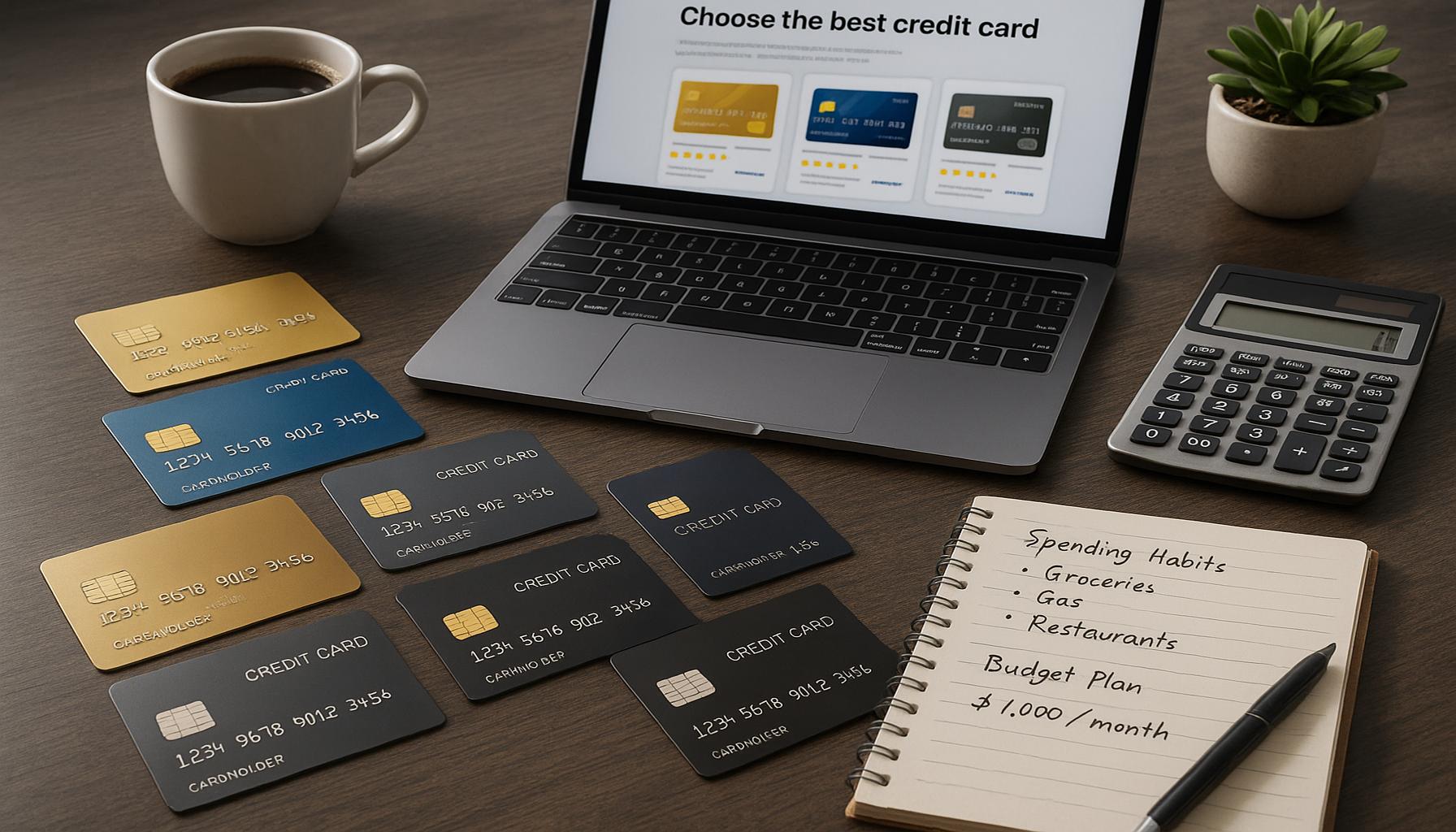
Navigating Credit Cards: A Detailed Guide
For many individuals, the world of credit cards can seem daunting at first glance. With a plethora of options available, making an informed decision becomes paramount. Choosing a credit card is not merely about accruing rewards; it involves understanding various features that cater to your specific financial needs and lifestyle choices. Each card comes with its own set of advantages and disadvantages, which can greatly influence your financial journey.
Key Considerations
As you embark on the process of selecting a credit card, it’s essential to keep the following factors in mind:
- Interest Rates: The Annual Percentage Rate (APR) is crucial, as it determines the cost of borrowing. A higher APR means that carrying a balance will lead to more interest charges. For example, if you have a credit card with a 20% APR and carry a $1,000 balance, you would incur $200 in interest if left unpaid for a year.
- Fees: Familiarize yourself with various fees associated with a credit card. Some common ones include annual fees, which can be as low as $0 or as high as several hundred dollars, depending on the card’s benefits. Additionally, foreign transaction fees can apply if you use your card abroad, typically around 1% to 3% of each purchase. Late payment penalties can also add up quickly and affect your credit score.
- Rewards Programs: Consider the rewards structure of the card. If you’re a frequent traveler, a travel rewards card that offers miles for flights and hotel stays might be appealing. On the other hand, if you regularly shop at grocery stores, a card with cash back on food purchases would better serve your needs. Understanding the reward categories can be key to maximizing your benefits.
These factors not only dictate your card experience but can significantly impact your overall financial health. For example, if you travel internationally often for business or leisure, selecting a card with no foreign transaction fees could save you substantial amounts in additional charges while spending abroad.
Assess Your Financial Needs
Before settling on a credit card, it’s beneficial to evaluate your spending habits. This self-assessment will guide you towards a card that best fits your lifestyle:
- Where do you spend the most? Look at your monthly expenses. Are you predominantly spending on groceries, travel, gas, or perhaps dining out? Understanding where your money goes can help you choose a card that offers the best rewards in those categories.
- How often do you pay your balance in full? If you are diligent about paying off your balance every month, you might benefit from a card that offers higher rewards but with a slightly higher interest rate. However, if you tend to carry a balance, a card with lower interest rates would be wiser to avoid accumulating debt.
- What rewards align with your lifestyle? Identifying what incentives will be most beneficial to you can help streamline your options. For example, if family vacations are a priority for you, a card that offers travel rewards may enable you to earn free flights over time.
By understanding these details, you’ll be better equipped to make an informed decision. In the following sections, we will delve into the different types of credit cards available in the market, highlighting their unique features, so you can confidently find the perfect match for your financial needs.
DISCOVER MORE: Click here to learn about economic policies and labor market stability
Understanding Credit Card Features
Choosing the right credit card involves more than just picking one with the most enticing rewards. Each card comes with specific features that cater to different financial situations and lifestyles. When you assess these features, you’ll find that they can either enhance your financial well-being or lead to unnecessary costs. It’s important to get a comprehensive understanding of the options available to you. Here are some key features to consider:
- Credit Limits: Each credit card has a maximum limit on how much money you can borrow. Your credit limit will depend on factors like your credit score, income, and payment history. Understanding your credit limit is crucial, as exceeding it can result in fees and negatively affect your credit score.
- Introductory Offers: Many credit cards come with attractive introductory offers, such as 0% APR for the first year or substantial sign-up bonuses. These can be particularly beneficial if you plan on making a significant purchase right after obtaining the card. However, be cautious about how the card’s terms change after this period ends.
- Balance Transfer Features: If you currently have high-interest credit card debt, you might explore cards with low or 0% balance transfer fees. This feature allows you to transfer your existing debt to the new card, which can save you money on interest, as long as you pay off the balance before the promotional period expires.
- Flexibility in Payments: Some credit cards offer flexible payment options, allowing you to either pay off your balance in full or carry a balance with interest. Understanding these options can help you manage your finances better, especially during months when unexpected expenses arise.
- Rewards Redemption: Not all reward programs are created equal. It’s essential to evaluate how easy it is to redeem points, miles, or cash back. Some cards require you to navigate through complicated processes, while others allow you to utilize your rewards with minimal effort.
As you review these features, consider how they align with your financial goals. For instance, if you anticipate making a large purchase soon, an introductory offer might be appealing. On the other hand, if your main objective is to pay down existing debt, a card that facilitates balance transfers could save you a significant amount in interest over time.
Additionally, be vigilant about the terms associated with these features. Reading the fine print can prevent unpleasant surprises later on. For example, be aware of when introductory terms expire, as well as any annual fees that may apply once the initial offer period has ended.
In the following sections, we will explore various types of credit cards available on the market, examining their unique offerings. This will enable you to move from a generalized understanding to a tailored approach, ensuring you select the ideal credit card that resonates with your individual financial needs and aspirations.
DIVE DEEPER: Click here to learn more about monetary policies and inflation
Different Types of Credit Cards
With a solid understanding of credit card features, it’s time to explore the various types of credit cards available. Each type is designed with specific users in mind, catering to diverse financial situations and spending patterns. Here’s an overview of the main categories of credit cards:
- Cash Back Cards: Cash back credit cards offer rewards in the form of cash back on purchases. Typically, you receive a percentage of your spending back, which can range from 1% to 6%, depending on the category of purchases. For example, you might earn 3% cash back on groceries or dining. If you regularly spend in specific categories, a cash back card can help you maximize rewards and lower your effective spending.
- Travel Rewards Cards: If you’re a frequent traveler, consider a travel rewards credit card. These cards typically offer points or miles for every dollar spent, which can be redeemed for flights, hotel stays, and even car rentals. Some also include perks such as free checked bags, priority boarding, or access to airport lounges. However, keep in mind that these rewards often come with specific airline or hotel partnerships, so choose one that aligns with your travel habits.
- Low Interest Cards: For those who may carry a balance from month to month, low interest credit cards become a vital option. These cards come with lower annual percentage rates (APRs) compared to traditional accounts, helping you minimize the cost of borrowing. This is especially beneficial if you find yourself occasionally needing to make larger purchases or if unexpected expenses arise. It’s wise to look for a card that not only offers a low APR but also has no or minimal fees.
- Secured Credit Cards: If you are looking to build or rebuild your credit, secured credit cards can be a great option. These cards require a cash deposit that serves as your credit limit. They typically have higher interest rates, but responsible usage can help improve your credit score over time. Just be sure to find a secured card that reports to the three major credit bureaus to ensure that your responsible use is recognized.
- Student Credit Cards: Specifically designed for college students, these cards often have lower credit limits and designed features that help young adults learn about credit responsibly. They may also offer rewards like cash back or points on purchases. If you or someone in your family is starting their credit journey, this could be a valuable stepping stone.
As you explore these categories, reflect on your financial habits and the benefits they can bring. For instance, a cash back card may suit you if you’re focused on cutting down your regular expenses, while a travel rewards card could enhance your vacation experiences if you travel often.
Additionally, it’s useful to compare the annual fees associated with various cards. While some come with no annual fee, others may charge a higher fee but offer better rewards. Calculating your average spending can help determine if the benefits outweigh the costs. In some cases, the right card might offer substantial savings despite the annual fee, especially if you maximize rewards in your primary spending categories.
Furthermore, ensure you consider your overall spending habits when choosing a card type. A rewards program that suits a friend may not necessarily fit your needs. Identify the features that align best with your lifestyle, including travel preferences, dining habits, and how you manage credit to choose a card that will truly be beneficial.
DISCOVER MORE: Click here to learn about the impact of free trade agreements
Final Thoughts
Choosing the ideal credit card is a vital step towards managing your finances effectively and tapping into the benefits that best match your lifestyle. Throughout this article, we’ve explored the different types of credit cards available, from cash back and travel rewards to secured and student cards. Each of these options serves distinct financial needs and can significantly impact how you handle spending and savings.
As you reflect on your choices, consider assessing your personal financial habits—do you travel frequently, spend significantly on groceries, or perhaps need support for building your credit? Understanding your spending patterns and evaluating the rewards they can offer will guide you towards a card that maximizes value. Remember, it’s not just about the flashy perks but rather the tailored features that suit your financial behavior.
Additionally, be vigilant about the fees associated with the card you choose. Sometimes, a card with an annual fee may provide benefits that outweigh that cost, particularly if your spending aligns with its rewards structure. Finally, do not hesitate to compare multiple credit card options and assess the overall costs and benefits before making a decision.
By taking these steps, you ensure that you’re not only choosing a credit card but also setting a foundation for a healthier financial future. Empower yourself with the right tools, and enjoy the benefits that come with responsible credit card usage.

Linda Carter
Linda Carter is a writer and expert known for producing clear, engaging, and easy-to-understand content. With solid experience guiding people in achieving their goals, she shares valuable insights and practical guidance. Her mission is to support readers in making informed choices and achieving significant progress.