The Benefits and Risks of Using Credit Cards to Build Personal Credit
Understanding Credit Cards
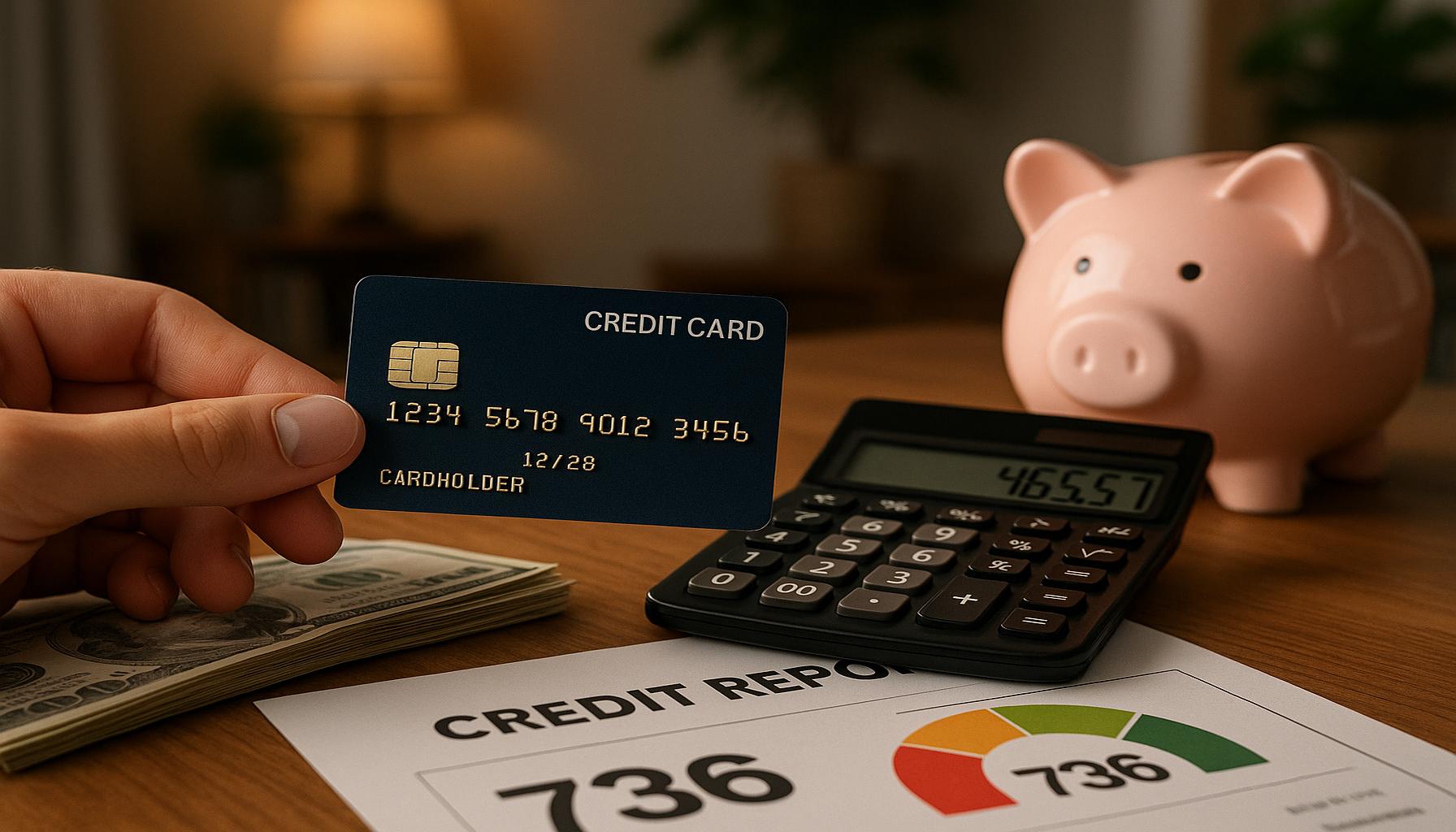
Credit cards can serve as powerful tools in your financial arsenal. When used wisely, they can help you establish and build personal credit, paving the way for future financial opportunities. However, it is crucial to grasp both the benefits and risks involved in this financial product to use it effectively.
Benefits of Credit Cards
Utilizing credit cards offers numerous advantages that can enhance your financial flexibility:
- Building Credit History: When you make regular, on-time payments on your credit card, it contributes positively to your credit history. For example, if you have a credit card with a $1,000 limit and regularly charge $250 each month and pay it off, you demonstrate responsible credit usage—this can significantly boost your credit score over time.
- Rewards Programs: Many credit cards now come with enticing rewards programs. These can include cash back on purchases, airline miles for travelers, or points redeemable for various products and services. For instance, a credit card that offers 2% cash back on grocery purchases may provide you with meaningful savings if you spend a lot on food each month.
- Emergency Funds: In situations where unexpected expenses arise, such as a car breakdown or medical emergency, a credit card can serve as a financial safety net. For instance, instead of scrambling to cover a sudden repair cost, tapping into your available credit can give you the time to manage those expenses without immediate financial strain.
Risks of Credit Cards
While there are many benefits, it’s also essential to be aware of potential pitfalls associated with credit card usage:
- High Interest Rates: If you carry a balance from month to month, the interest can accumulate rapidly, leading to growing debt. For example, if you have a balance of $1,000 and an interest rate of 20%, you could pay an additional $200 each year merely in interest charges if you do not pay it off in full.
- Debt Accumulation: Overspending is a common challenge with credit cards. It’s easy to lose track of your spending, especially with enticing promotional offers. Without careful budgeting, you might find yourself with debt levels that can become unmanageable.
- Impact on Credit Score: Making late payments can significantly harm your credit standing. Even a single missed payment can negatively affect your credit score for several months, making it more difficult to secure loans or favorable interest rates in the future.
Understanding these aspects of credit cards can empower you to make informed financial decisions. By striking a balance between responsible use and risk awareness, you can effectively build your personal credit profile and achieve financial success. Monitor your spending, pay on time, and take advantage of rewards, and you will be well on your way to mastering the art of credit card use.
DISCOVER MORE: Click here to learn how to apply
Benefits of Credit Cards for Building Personal Credit
Credit cards, when managed wisely, present valuable opportunities to enhance your financial profile. Understanding how to leverage these benefits can be a key component in building and maintaining a healthy personal credit score. Here are some notable advantages:
- Establishing a Positive Payment History: One of the most significant factors influencing your credit score is your payment history. Regularly paying your credit card bills on time demonstrates to lenders that you are responsible with your debt. For instance, if you consistently pay your $50 monthly bill before the due date, it reflects positively on your credit report, ultimately enhancing your score.
- Utilization Ratio Improvement: Your credit utilization ratio, calculated by dividing your total credit card balances by your total credit limits, plays a vital role in your credit score. Keeping this ratio below 30% is ideal. If your total credit limit is $1,000 and you maintain a balance of $250, your utilization is 25%, indicating you are managing debt responsibly. This metric can significantly improve your credibility in the eyes of lenders.
- Access to Credit Limits: Having a credit card often means enjoying a revolving line of credit. This financial resource can be advantageous, particularly in emergencies or when unexpected expenses arise. For example, if your car needs urgent repairs, your credit card can bridge the gap, allowing you to handle the expenses more comfortably instead of depleting your savings immediately.
- Building a Diverse Credit Portfolio: Lenders appreciate a mix of credit types, such as installment loans (like car loans or mortgages) and revolving credit (like credit cards). By incorporating credit card accounts into your financial portfolio, you can diversify your credit mix, which can positively influence your overall credit score.
Understanding the Risks Associated with Credit Cards
Even though using credit cards holds distinct benefits, it is equally important to recognize the potential risks involved. Being aware of these risks is crucial for preserving your financial health:
- Risk of High Interest Payments: Credit cards typically carry high-interest rates, particularly if you do not pay off your balance in full each month. For example, a common annual percentage rate (APR) of 18% means that the longer you carry a balance, the more you’ll pay in interest. This can quickly lead to mounting debt if not managed properly.
- Temptation to Overspend: Credit cards can create a psychological barrier that makes spending appear less tangible. It is easy to swipe your card without considering the total cost of your purchases. If you are not vigilant with budgeting, credit card debt can accumulate rapidly, leading to financial strain.
- Negative Impact on Credit Score from Missed Payments: An important component of your credit score is payment history. If you miss a payment, it can remain on your credit report for several years, making it difficult to secure favorable loan terms in the future. A missed payment can also lead to increased interest rates on existing balances.
By understanding both the benefits and risks associated with credit cards, you can effectively use them to build your personal credit while mitigating potential downsides. Prioritizing timely payments, monitoring your spending, and staying informed about credit practices are fundamental to achieving financial success.
LEARN MORE: Click here for details on applying for a Wells Fargo personal loan
Managing Credit Responsibly
To fully harness the benefits of credit cards while minimizing the associated risks, it’s important to adopt responsible credit management habits. Simple strategies can help you effectively build your personal credit while staying clear of pitfalls that lead to financial hardship.
- Create a Budget: Establishing a clear budget is fundamental to managing credit responsibly. By outlining your income and expenses, you can set limits on how much you can afford to spend on your credit card each month. For example, if your budget allows for $150 in discretionary spending, sticking to this limit will help you avoid overspending and accumulating debt. A budget can also serve as a guide for your purchasing decisions, ensuring that you only use your credit card for necessary items.
- Set Up Auto-Pay: To avoid missed payments, consider enrolling in automatic payments for your credit card bills. By doing so, you ensure that at least the minimum due will be paid on time, helping you maintain a positive payment history. For instance, if your credit card minimum payment is $35, setting up auto-pay can help you avoid charges and protect your credit score from the adverse effects of late payments.
- Monitor Your Credit Report: Regularly checking your credit report is essential for staying informed about your credit status and ensuring accuracy. You are entitled to one free credit report each year from each of the three major credit bureaus—Experian, Equifax, and TransUnion. By reviewing your reports, you can catch any inaccuracies or fraudulent activity early on. For example, if a payment you made shows as missed, addressing this discrepancy can prevent damage to your credit score.
- Limit the Number of Open Accounts: Having multiple credit cards can sometimes complicate your financial management. While a diverse credit portfolio can be beneficial, opening too many accounts in a short period can trigger concerns for lenders and hurt your score due to hard inquiries. It’s advisable to space out credit applications and only open new accounts when necessary to meet financial needs.
- Gradually Increase Credit Limits: If you have a good payment history, consider asking your credit card issuer for a credit limit increase. Higher credit limits can help improve your credit utilization ratio as long as your spending doesn’t increase proportionately. For example, if your limit goes from $1,000 to $1,500, you could maintain a $300 balance and lower your utilization ratio from 30% to 20%, further enhancing your credit profile.
In summary, managing credit cards effectively involves a combination of strategic budgeting, diligent monitoring, and respectful use of credit limits. By establishing advantageous habits, you can leverage the benefits of credit cards as a tool for building personal credit while safeguarding against potential risks and financial missteps.
DISCOVER MORE: Click here to learn how technology is reshaping finance
Conclusion
Using credit cards can be a double-edged sword; while they offer significant opportunities to build and improve your personal credit, they also come with inherent risks that can lead to financial strain if not managed properly. By understanding both the advantages and disadvantages of credit card use, you can make informed decisions that best serve your financial goals.
To summarize, credit cards can greatly enhance your credit score when used wisely by promoting timely payments and maintaining a low credit utilization ratio. Implementing practical strategies—such as adhering to a budget, utilizing auto-pay, monitoring your credit report, and limiting the number of open accounts—can help you take full advantage of the benefits without succumbing to the pitfalls of debt accumulation and adverse credit history.
As you embark on your journey to build personal credit, remember that responsibility is key. Approach credit card usage with caution, and remain mindful of how your spending habits affect your overall financial health. By committing to responsible practices and continuously educating yourself about credit management, you can use credit cards as a powerful tool for a brighter financial future while avoiding the traps that lead to credit-related problems.
In closing, building credit is not just about the card in your wallet but the choices you make along the way. With a clear plan and a disciplined approach, you can transform credit cards into a means of achieving your financial ambitions.

Linda Carter
Linda Carter is a writer and expert known for producing clear, engaging, and easy-to-understand content. With solid experience guiding people in achieving their goals, she shares valuable insights and practical guidance. Her mission is to support readers in making informed choices and achieving significant progress.