The Evolution of Social Media Platforms and Their Effects on Personal Communication
Shifts in Communication Dynamics
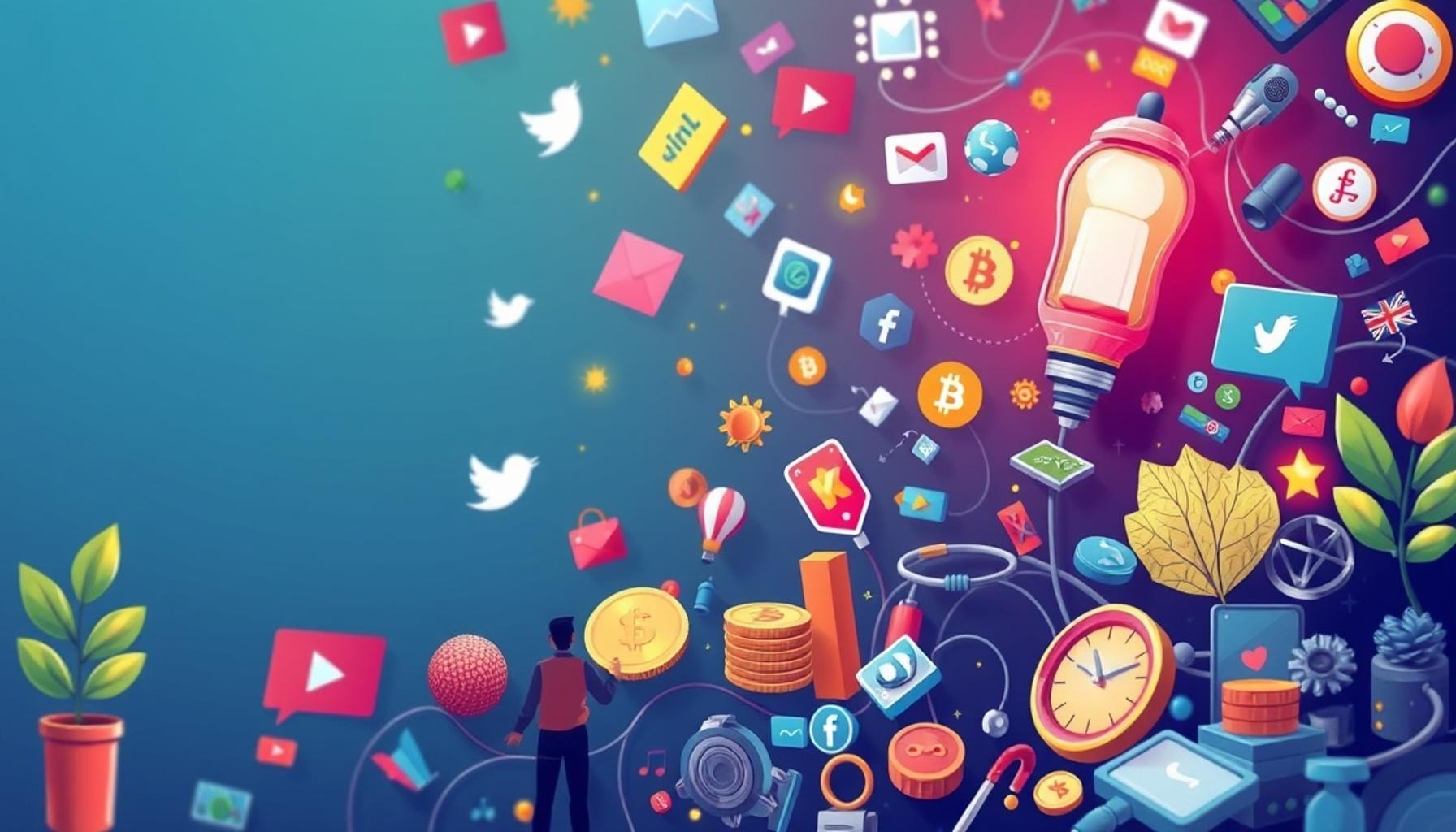
Over the last two decades, our methods of communication have undergone a remarkable transformation, driven mainly by the rapid expansion of social media platforms. These platforms have fundamentally changed the way we connect, share, and maintain relationships.
To better understand this evolution, let’s explore a few pivotal aspects:
- Emergence of Platforms: The rise of social media giants like Facebook, Twitter, and Instagram has shifted our focus from traditional face-to-face interactions and phone calls to a world dominated by online communication. These platforms have provided users with various means to express themselves, from posts and tweets to photos and videos, thus developing a culture of interaction that thrives in digital spaces.
- Variety of Features: Modern social media applications are equipped with an array of features, including instant messaging, live streaming, and user-generated content opportunities. For example, Instagram allows users to share visual stories through images and short videos, while Snapchat introduced ephemeral content that disappears after a short period. These options cater to diverse communication styles and preferences, ensuring that users can engage in ways that feel most comfortable to them.
- Global Connection: Perhaps one of the most significant changes is the ability to connect with individuals across the globe. Geographic barriers have been virtually eliminated, allowing people to maintain friendships regardless of distance. For instance, American users can easily interact with friends in Europe or Asia through various social media platforms, enriching their experiences of different cultures without the constraints of physical travel.
While these advancements offer exciting possibilities, they also come with notable impacts on personal communication. Let’s examine a few consequences:
- Shift in Language: Social media has not only influenced communication practices but has also changed the language itself. New slang, abbreviations like “LOL” (laugh out loud) or “BRB” (be right back), and the increased use of emojis have revolutionized how we express thoughts and feelings. This linguistic shift often complicates communication with those not familiar with internet jargon.
- Increased Frequency: The ease of sending quick messages means that people communicate more often but often with less depth. For example, while someone might send a daily meme to a friend, the nature of that communication can lack the emotional connection of a long, in-person conversation.
- Impact on Relationships: The dynamics of relationships are evolving, diminishing the emphasis on in-person interactions in favor of sustaining online connections. Many individuals report spending significant portions of their time engaging with friends via social media, sometimes to the detriment of face-to-face relationship building.
As we continue to explore the ongoing evolution of communication, it is essential to acknowledge the profound effects that social media platforms have had on our daily interactions and relationships. Understanding these changes not only enhances our comprehension of modern communication but also encourages us to navigate this new landscape more effectively, ensuring meaningful connections in our increasingly digital world.
DISCOVER MORE: Click here to dive deeper
The Transformation of Communication Methods
The rise of social media has not only changed how we communicate but has also redefined the very essence of personal interaction. Unlike the earlier days of the internet, where emails and chat rooms dominated, social media introduced a plethora of platforms, each tailored to different preferences and styles of communication. As we delve deeper into this evolution, it becomes essential to explore how these changes have impacted our daily interactions.
Immediate Connectivity
One of the most significant improvements brought forth by social media is the notion of immediate connectivity. Before the advent of social media, communication could often feel cumbersome, requiring physical presence or at least a phone call. Now, with just a click of a button, users can reach out to friends and family from any corner of the world. Platforms like WhatsApp and Facebook Messenger allow for instant messaging, which has significantly accelerated the pace of communication.
This immediacy enhances relationship maintenance. For instance, college students studying away from home can seamlessly share updates and maintain connections with family and friends through a constant stream of messages, photos, and videos. This continuous interaction strengthens bonds and makes geographical separation less daunting. However, it raises a crucial question: does this speed come at the cost of meaningful exchanges?
The Role of Engagement
Engagement on social media has transformed how we share experiences. Platforms not only enable posting personal milestones but also encourage feedback and participation from followers. This shift has led to an increase in various forms of engagement, which can include:
- Likes: A simple yet powerful form of acknowledgment, allowing users to validate each other’s posts without engaging in direct conversation.
- Comments: Encouraging dialogue, comments allow for deeper interactions, although they might not always be as personal as a face-to-face conversation.
- Shares: The ability to share content widens the audience for experiences, allowing friends and acquaintances to connect over similar interests.
This democratization of communication has changed the nature of social relationships. The rise of influencers and content creators illustrates how social media facilitates interaction with “followers” instead of traditional “friends.” This effect alters the way we prioritize relationships, often leading to a more superficial notion of connection where the quantity of interactions may overshadow their quality.
Despite the perks of increased engagement, it poses challenges as well. Users may find themselves overwhelmed by the sheer volume of interactions, leaving little room for deeper, more personal conversations. Instead of having heart-to-heart discussions, communication has become fragmented, dominated by brief messages and superficial exchanges. As we navigate this new terrain, it is crucial to recognize the balance between efficient communication and meaningful connection.
In summary, the evolution of social media platforms has significantly transformed our communication landscape. While these tools offer instant connectivity and various engagement methods, they also challenge us to maintain quality interactions in our personal relationships. Understanding this balance will be essential as we continue to adapt to the ongoing changes in how we connect with one another.
DISCOVER MORE: Click here to learn how consumer psychology influences market trends
The Impact on Emotional Expression
As social media platforms continue to evolve, they have introduced new ways for users to express their emotions and thoughts. This shift has not only changed how we communicate with others but also how we perceive ourselves. Emojis, GIFs, and memes have become integral to online communication, allowing users to convey feelings quickly and effectively. Instead of relying solely on text to express themselves, individuals can now share visual elements that add emotional depth to their messages.
The Rise of Visual Communication
The advent of visual communication has shifted the dynamics of how we interact. Platforms like Instagram and Snapchat allow users to share visual narratives of their lives, enabling a form of storytelling that transcends traditional text-based communication. By sharing photos and videos, users provide a richer context that helps convey sentiments and emotions.
Additionally, this visual aspect has led to a culture of sharing experiences in real-time. For example, during live events or significant life moments, users can broadcast their experiences through live streams or stories. Friends and followers can partake in these moments vicariously, feeling a sense of inclusion and connection that text alone may not provide. However, this raises another question: does the constant drive for visual validation via likes and shares lead to an authentic representation of self?
The Challenge of Authenticity
While visual platforms have enhanced emotional expression, they often create a veneer of perfection that can be misleading. Users tend to curate their online personas, often posting only the highlights of their lives. This phenomenon can lead to unrealistic comparisons, triggering feelings of inadequacy or anxiety among peers. The curated nature of social media can compromise meaningful interactions since users may present an edited version of their reality, distancing themselves from genuine vulnerability.
- Filters and Editing Tools: While these tools enhance aesthetics, they can distort reality, leading viewers to develop unrealistic expectations about life, beauty, and happiness.
- Selective Sharing: People may choose to share only their most favorable experiences, which can create a disconnect between online portrayals and real-life challenges.
- The Fear of Missing Out (FOMO): Constant exposure to curated content can evoke feelings of FOMO, making individuals feel as though they are missing out on experiences that seem more authentic or exciting.
This challenge of authenticity emphasizes the responsibility of users to navigate their social media engagement thoughtfully. Genuine communication involves vulnerability, and it is essential to find a balance between sharing life’s highlights and being open about struggles. As we analyze this complex dynamic, the pursuit for authenticity becomes a pressing conversation in the realm of social media.
Moreover, this landscape underscores the need for media literacy education. Understanding the curated nature of online content can help users develop a critical view of what they see, fostering more substantial and supportive conversations around mental well-being and emotional health. By promoting awareness of these challenges, we can cultivate a digital environment that encourages authentic connections rather than superficial engagements.
LEARN MORE: Click here to discover the impact of free trade agreements on financial stability.
Conclusion
As we have explored throughout this article, the evolution of social media platforms has significantly transformed the landscape of personal communication. From enhancing emotional expression through visuals to presenting challenges related to authenticity, these platforms offer both opportunities and pitfalls. The introduction of emojis, GIFs, and the rise of visual storytelling have allowed individuals to share their lives in more dynamic ways, creating a sense of connection that transcends traditional communication methods.
However, this shift also necessitates a thoughtful approach to how we engage with these platforms. The curation of online personas means that many users may feel pressure to present an idealized version of themselves, leading to potential feelings of inadequacy or anxiety. To combat this, we must promote media literacy that encourages users to critically evaluate the content they consume and share. Acknowledging the polished nature of online interactions can foster more genuine conversations about the struggles many face in day-to-day life.
Ultimately, it is crucial for users to find a balance—embracing the benefits of social media while remaining mindful of its implications on emotional well-being and interpersonal relationships. By fostering authentic connections and encouraging vulnerability, we can harness the positive aspects of these platforms and build a more supportive digital community. As we move forward, open dialogues about our experiences and the impact of social media on our lives will be essential in shaping a healthier communication environment in the future.

Linda Carter
Linda Carter is a writer and expert known for producing clear, engaging, and easy-to-understand content. With solid experience guiding people in achieving their goals, she shares valuable insights and practical guidance. Her mission is to support readers in making informed choices and achieving significant progress.