

The Impact of Technological Innovation on Competitiveness and Market Dynamics
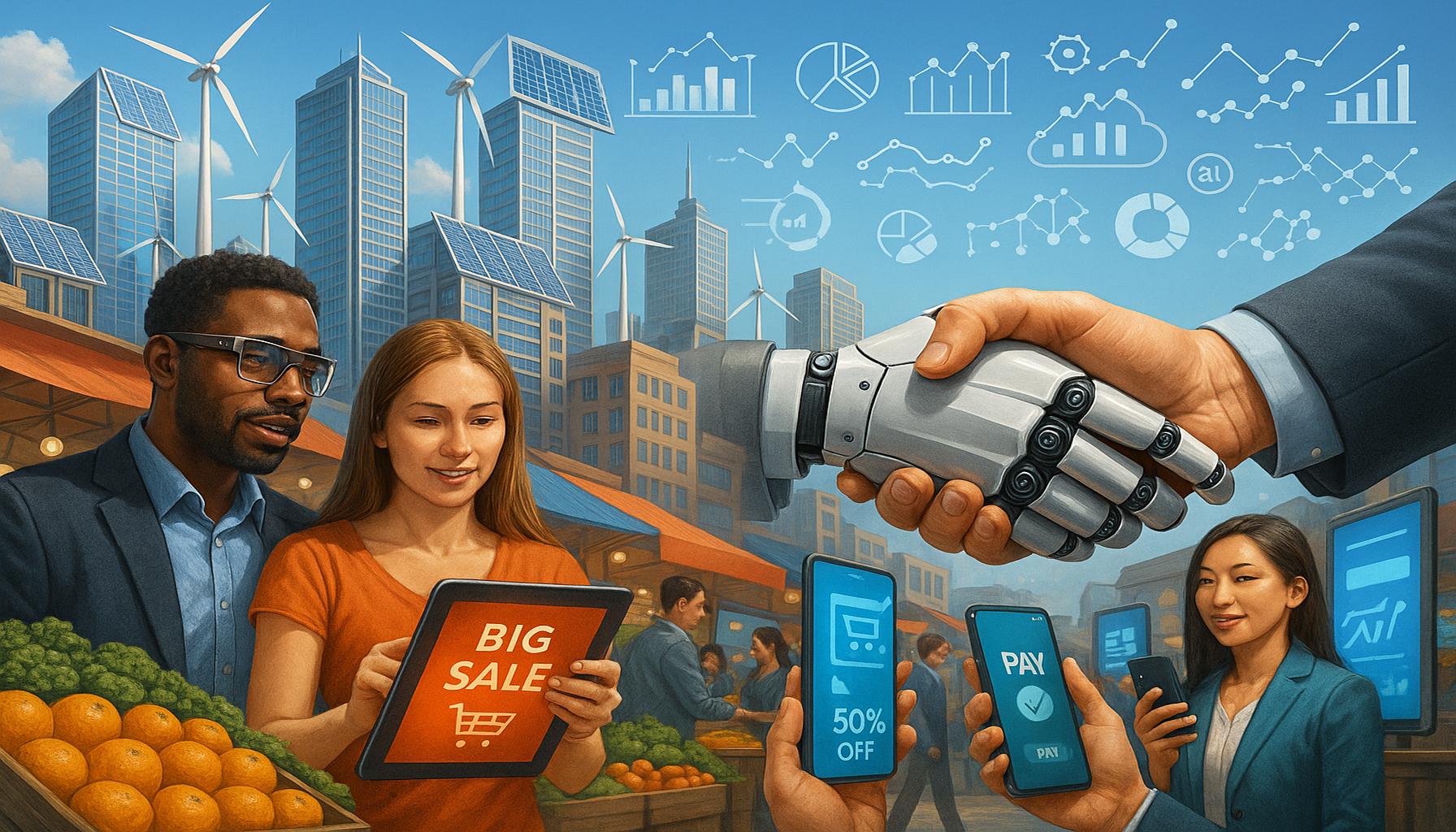
The Role of Technological Innovation in Business
In today’s fast-paced world, technological innovation plays a crucial role in shaping every industry. Businesses must adapt constantly to the dynamic market conditions driven by these changes. From small startups to large corporations, the ability to leverage technology is essential for maintaining a competitive edge. This transformation is not merely an option; it is a necessity for survival in an environment that is continually evolving.
Consider how innovative technologies affect business strategy:
- Automation can enhance efficiency, reducing costs and increasing productivity. For example, many manufacturing companies have adopted robotic process automation (RPA) to streamline their production lines, increasing output without a proportional increase in labor costs. This has allowed businesses to focus human resources on more creative and strategic tasks, ultimately delivering higher value.
- Data analytics provides insights into consumer behavior, helping companies meet market demands more effectively. Retail giants like Amazon utilize advanced data analytics to personalize shopping experiences, suggesting products based on previous purchases and browsing history. This not only boosts sales but also builds customer loyalty through tailored engagement.
- Digital marketing opens new channels for reaching customers, expanding brand awareness. Platforms like social media allow businesses, no matter their size, to engage with consumers directly and authentically. For instance, the viral success of a small bakery’s Instagram campaign can lead to a surge in local customers, demonstrating that even smaller entities can compete against larger brands.
The implications of these advancements are profound. Companies that embrace technological shifts can:
- Respond faster to market changes, which is essential in industries like fashion or tech where trends can shift overnight.
- Enhance customer experiences through improved service delivery. Fast food chains, for example, have adopted mobile ordering apps to streamline service, reducing wait times and increasing customer satisfaction.
- Foster innovation within their teams by providing tools that encourage creativity and collaboration. Cloud-based platforms allow teams to work together in real-time, facilitating idea sharing and development, much like how companies like Google foster an environment of collaboration across their departments.
As we delve deeper into this topic, we will explore how these technological innovations not only redefine competitiveness but also transform market dynamics across various sectors. Understanding these trends is vital for anyone looking to thrive in the modern business landscape. Embracing technology isn’t just about keeping up; it’s about staying ahead, and recognizing the potential these tools have to revolutionize the way we do business.
DISCOVER MORE: Click here to learn about the impact of interest rates
Understanding Competitiveness Through Technological Innovation
Technological innovation serves as the backbone of competitiveness in the modern marketplace. It doesn’t just enhance existing business operations; it fundamentally alters the way companies interact with their environment. By effectively implementing new technologies, businesses can differentiate themselves from their competitors, attract and retain customers, and ultimately capture a larger share of the market. This transformation manifests in several ways:
- Increased Agility: Businesses that utilize advanced technology can adapt their operations to respond swiftly to market fluctuations. For example, consider the automotive industry, where companies like Tesla have leveraged innovation to pivot towards electric vehicles, redefining their value propositions and attracting a new customer base. Such agility allows firms to seize opportunities that traditional competitors may overlook.
- Cost Leadership: Efficient use of technology can lead to significant cost reductions, enabling companies to offer competitive pricing. Retailers like Walmart employ sophisticated supply chain management systems that utilize real-time data and predictive analytics. This not only cuts down waste but also optimizes inventory management, allowing Walmart to offer lower prices while still maintaining profit margins.
- Enhanced Product Development: The integration of technology can shorten the time it takes to bring products to market. Companies employing agile methodologies and tools such as 3D printing can prototype new products faster than ever before. For instance, consumer electronics firms often utilize rapid prototyping to develop and test new devices, leading to frequent product launches that keep them ahead of competitors.
The impact of these technological transformations extends beyond individual companies to influence entire industries and market dynamics. When a significant player in a sector adopts a disruptive technology, it often sets off a chain reaction, compelling competitors to innovate or risk falling behind. This phenomenon can be observed in the ride-sharing industry, where companies like Uber and Lyft revolutionized transportation services. Their innovative platforms forced traditional taxi services to reconsider their operational strategies and adopt digital solutions to compete effectively.
Moreover, technological advancements foster competition by lowering barriers to entry in various markets. Small businesses can now access sophisticated tools that were once only available to major corporations. For example, the rise of e-commerce platforms like Shopify has made it easier for entrepreneurs to start online stores with minimal upfront investment. This democratization of technology encourages innovation and drives market dynamism, as new entrants can challenge established brands with unique offerings or niche markets.
As we further explore the multifaceted impacts of technological innovation, it becomes clear that businesses cannot afford to view these changes merely as challenges. Instead, they should embrace them as opportunities to elevate their competitive stance. Understanding the interplay between technology, competition, and market dynamics is essential for organizations aiming to thrive in today’s rapidly changing business landscape.
DON’T MISS OUT: Click here to learn how to apply
Transforming Market Dynamics Through Innovation
The influence of technological innovation on market dynamics extends far beyond internal business operations, reshaping competitive landscapes and consumer interactions. One critical aspect of this transformation is the emergence of new business models driven by innovative technologies. These models often redefine value propositions and customer engagement strategies, allowing companies to capture untapped markets and drive growth.
- Subscription Services: Companies across various industries are shifting from traditional sales to subscription-based models. For example, software firms such as Adobe have transitioned to subscription services for their products, providing users constant access to the latest features while offering predictable, recurring revenue streams. This model not only enhances customer loyalty but also allows businesses to continually improve their offerings based on real-time user feedback.
- Platform Economies: The foundation of the sharing economy can be traced to technological advancements. Companies like Airbnb and Uber have developed platforms that connect service providers directly with consumers, eliminating intermediaries and reducing costs. By harnessing the power of mobile applications and big data analytics, these platforms evolve rapidly, often creating entirely new markets. This shift enables small providers to compete on a global scale.
- Data-Driven Decision Making: The rise of big data analytics equips companies with insight into consumer behavior, preferences, and trends. Retail giants like Amazon leverage data to optimize their operations, personalize marketing efforts, and refine inventory management. This data-centric approach not only enhances efficiency but also helps businesses predict shifts in consumer demand, allowing them to make proactive adjustments that keep them ahead of the competition.
Additionally, technological innovation has significantly enhanced collaboration both within and across industries. The integration of tools like collaborative software and cloud computing facilitates seamless communication, enabling teams to work together more effectively, irrespective of geographical barriers. For instance, companies like Slack have capitalized on this trend by providing platforms that support communication, project management, and workflow collaboration, fostering an environment of innovation and rapid problem-solving.
Moreover, innovation encourages strategic partnerships, whereby organizations can pool resources and expertise to drive growth and exploration of new markets. This co-creation of value is evident in the automotive sector, where companies increasingly collaborate with tech firms to develop autonomous vehicles and integrate cutting-edge technology into traditional transportation systems. These alliances not only accelerate the pace of innovation but also enable companies to share the financial risks associated with developing new solutions.
The intertwined nature of technological innovation and market dynamics highlights the urgency for companies to not only adopt new technologies but also to engage in continuous innovation. This mindset encourages organizations to experiment with emerging technologies, from artificial intelligence to blockchain, thereby enhancing their competitive advantage and ensuring relevance within their industry.
As organizations strive to navigate the rapidly shifting market landscape, they must invest in adaptability and resilience. Embracing technological innovations as a core component of their strategic vision will empower businesses to not only survive but flourish in an increasingly competitive environment.
DISCOVER MORE: Click here to learn how to apply
Conclusion
In conclusion, the role of technological innovation in shaping competitiveness and market dynamics cannot be overstated. As we’ve explored, the adaptation of new technologies paves the way for companies to not only enhance their operational efficiency but also redefine their engagement with consumers. The emergence of disruptive business models, from subscription services to platform economies, showcases how businesses are evolving to meet changing market demands while also fostering deeper customer relationships.
The ability to leverage data analytics further enables organizations to make informed decisions, tailor their offerings, and stay ahead of consumer trends. Moreover, the spirit of collaboration facilitated by technological tools has created an environment ripe for innovation, allowing businesses to pool expertise and resources for mutual benefit. These strategic partnerships across various sectors not only accelerate progress but also broaden the horizons for new market opportunities.
As we continue to witness the rapid pace of change driven by technology, it becomes increasingly clear that organizations must embrace a culture of continuous innovation to thrive. This requires a commitment to adaptability and a willingness to explore emerging technologies, ensuring relevance in a landscape that is constantly evolving. By prioritizing innovation, companies can navigate complexities confidently and secure a sustainable competitive edge.
Ultimately, the intersection of technological advancement and market dynamics offers a promising outlook for businesses ready to embrace change. Those that view innovation as an integral part of their strategic foundation are well-positioned not just to survive, but to lead in an increasingly competitive world.

Linda Carter
Linda Carter is a writer and expert known for producing clear, engaging, and easy-to-understand content. With solid experience guiding people in achieving their goals, she shares valuable insights and practical guidance. Her mission is to support readers in making informed choices and achieving significant progress.


