The Impact of Trade Tariffs on Global Supply Chains
Understanding Trade Tariffs and Their Impact
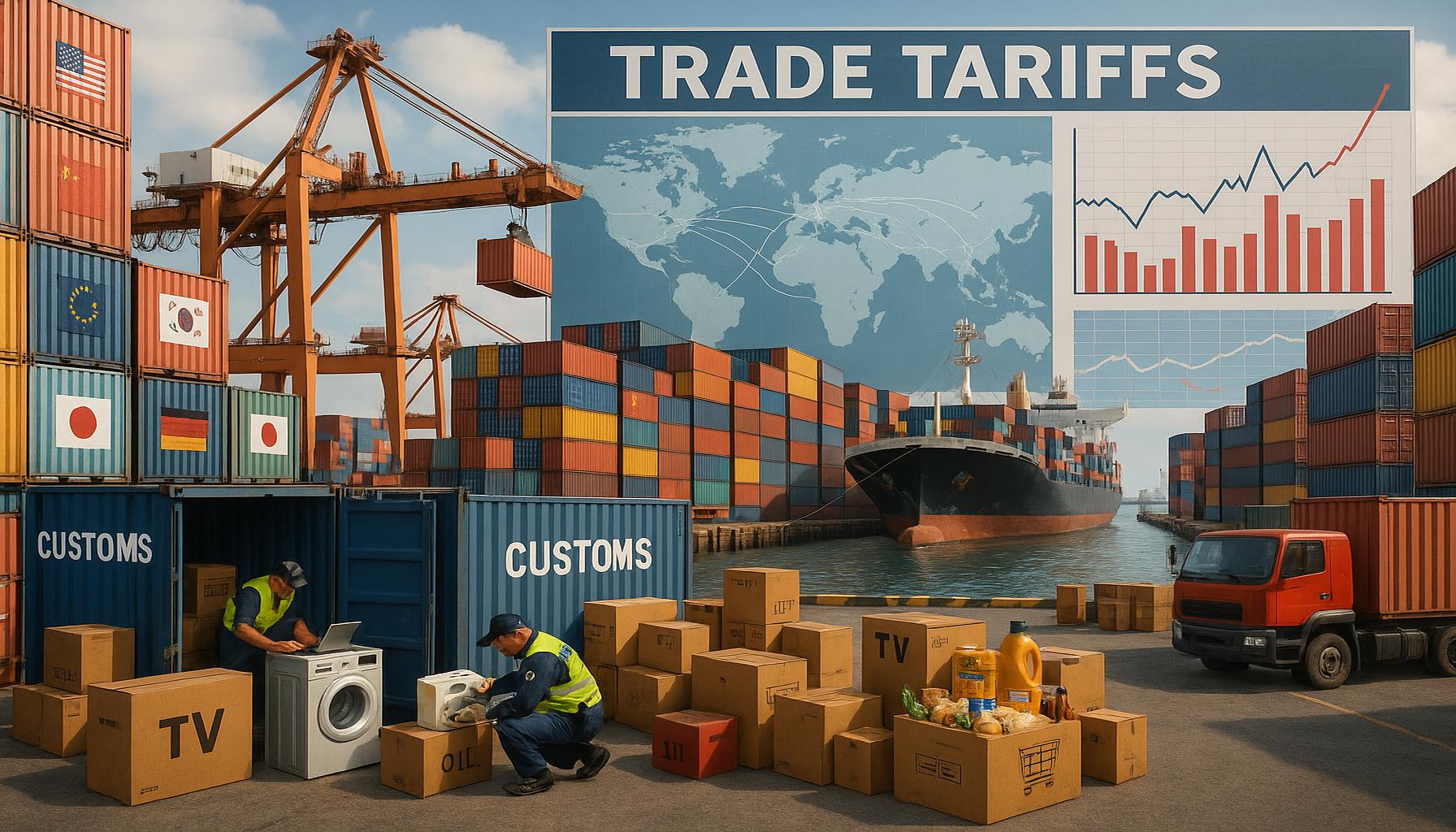
Trade tariffs are taxes placed on imported goods, acting as a financial barrier to the free exchange of products across international borders. In recent years, their role has come to the forefront of discussions surrounding global commerce, particularly in the context of heightened economic nationalism and efforts to protect domestic industries. While tariffs are often implemented with the intention of bolstering local manufacturers, their consequences ripple through economies, affecting both businesses and consumers.
Key Aspects of Trade Tariffs
Understanding the effects of trade tariffs is vital for anyone engaged in or reliant on the economy. Here are some important aspects to consider:
- Increased Costs: One of the most immediate effects of tariffs is the increase in prices for imported goods. For instance, if a tariff is placed on steel imports, American manufacturers relying on foreign steel may pass those additional costs onto consumers. This can lead to higher prices for various products, from cars to construction materials, ultimately impacting consumer spending and household budgets.
- Supply Chain Disruptions: Tariffs can significantly disrupt established supply chains. For example, many U.S. companies that depended on Chinese suppliers for components may find themselves needing to seek alternatives, potentially leading to delays and increased expenses associated with establishing new partnerships or sourcing materials from different countries. This shift not only presents logistical challenges but also introduces uncertainty in production costs.
- Global Relations: The implementation of tariffs can escalate tensions between countries, leading to trade wars. A prominent example is the tariffs imposed by the U.S. on various Chinese goods in recent years, which resulted in reciprocal measures by China. These retaliatory tariffs can undermine longstanding trade agreements, strain diplomatic relations, and disrupt global markets.
Real-World Examples
Recent tariffs on Chinese products have forced numerous U.S. companies to reevaluate their supply chain strategies. For example, electronics manufacturers relying on Chinese components faced increased costs, leading some to explore sourcing from countries like Vietnam or Mexico, where production may not incur the same tariffs. While this may help mitigate costs in the long term, it can initially result in longer delivery times and transition challenges for businesses that have operated primarily within a Chinese supply network.
The broader economic implications are significant. When consumer products become more expensive, it can lead to decreased spending power for households, ultimately impacting overall economic growth. As businesses wrestle with higher operating costs and consumers curtail their spending, the economy can enter a period of stagnation.
This exploration of trade tariffs reveals their complex nature and underscores the importance of understanding their wide-reaching effects. As global commerce continues to evolve, a comprehensive grasp of tariffs will be crucial for navigating the interconnected economic landscape.
DIVE DEEPER: Click here for the full guide
Consequences of Trade Tariffs on Supply Chain Management
Trade tariffs wield a profound influence on the management of global supply chains, prompting businesses to reassess their sourcing strategies and operational frameworks. These changes are not merely superficial; they often affect the core of how companies operate, from procurement to distribution. Understanding the far-reaching implications of tariffs on supply chains is essential for businesses aiming to thrive in today’s interconnected marketplace.
Shifts in Sourcing Strategies
When tariffs are imposed, businesses must swiftly adapt their sourcing strategies to mitigate the added costs associated with importing goods. One of the most direct impacts is the potential for companies to shift their sourcing from higher-tariff countries to those with lower tariffs or no tariffs at all. This shift can manifest in several ways:
- Diversification of Suppliers: Companies may seek to establish relationships with suppliers in different regions to reduce dependence on any single country. For example, a manufacturer that previously sourced textiles from China may explore suppliers in countries like Bangladesh or India to avoid tariffs.
- Nearshoring: Businesses might consider relocating their production closer to their primary consumer markets—known as nearshoring. This could lead to sourcing components from Mexico for U.S. manufacturers, reducing transportation time and costs while avoiding tariffs.
- Vertical Integration: Some companies, in response to tariffs, might decide to vertically integrate by bringing more production processes in-house to circumvent reliance on external suppliers and the associated costs. This strategy, while potentially expensive upfront, could lead to greater control over production and pricing.
The decision to alter sourcing strategies often comes with its own set of challenges. Establishing new supplier relationships can involve significant time and resource investments. Furthermore, companies might face a steep learning curve as they adapt to different regulatory environments or quality standards in new countries.
Impacts on Product Quality and Innovation
In addition to altering sourcing strategies, trade tariffs can also impact product quality and innovation. Companies that switch suppliers to avoid tariffs might find that the quality of materials or components differs from what they previously used. For instance, a technology firm that sources microchips from a new supplier may encounter variations in performance or reliability, necessitating adjustments to their products.
Moreover, heightened costs due to tariffs often lead to reduced budgets for research and development. Companies under financial pressure may defer investments in innovative projects or new product lines, stifling growth and competitiveness in the long term. As spending shifts from innovation to addressing cost increases, the potential for stagnant technological advancement poses risks to companies in the rapidly evolving global market.
In summary, the implementation of trade tariffs can significantly reshape global supply chains. From altering supplier relationships to impacting product quality and innovation, companies must navigate these changes carefully to maintain a competitive edge in their respective industries. Understanding these consequences is crucial for businesses to adapt and thrive amidst the pressures of global trade policies.
DISCOVER MORE: Click here for details on applying for the Goodyear credit card
Adaptation and Resilience of Supply Chains
As trade tariffs continue to reshape global supply chains, businesses are increasingly focusing on adaptation and resilience. Navigating the complexities associated with tariffs not only demands operational adjustments but also a shift in organizational mindset. Companies that embrace innovation and agility in their supply chain models can better position themselves to thrive despite external pressures.
Investment in Technology and Data Analytics
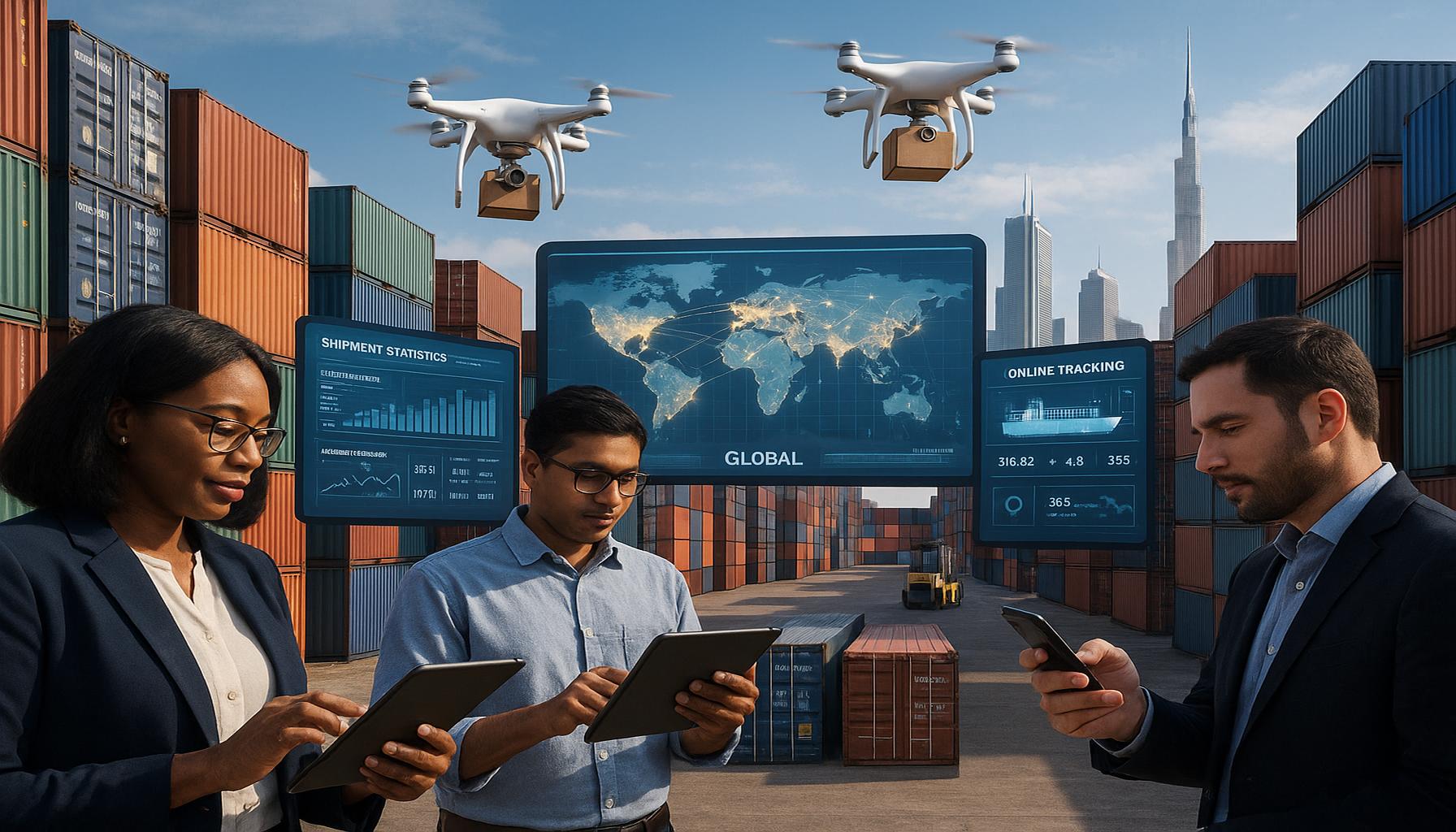
One critical area where companies are investing is in technology and data analytics. The implementation of advanced supply chain management software allows businesses to gain better visibility and control over their operations, facilitating quick adjustments in response to tariff changes. By utilizing real-time data analytics, companies can monitor supply chain performance, identify cost implications from tariffs, and make informed decisions.
For example, a U.S.-based automotive manufacturer facing escalating steel prices due to tariffs might use data analytics to assess the total landed cost of alternative suppliers. They can analyze factors such as shipping times, tariff impacts, and the performance of potential suppliers from multiple regions to optimize their sourcing. This technological integration not only ensures a more streamlined buying process but also helps businesses react proactively to fluctuations in the global market.
Enhanced Collaboration Across the Supply Chain
Another vital strategy in adapting to trade tariffs involves fostering enhanced collaboration throughout the supply chain ecosystem. Businesses can strengthen relationships with suppliers, logistics partners, and even competitors. Through collaborative initiatives such as joint sourcing agreements or information-sharing platforms, companies are better positioned to navigate tariff complexities together.
For instance, companies in the consumer electronics sector may collaborate to source components from the same supplier, thereby increasing their purchasing power. By pooling their demands, they can negotiate more favorable pricing terms, effectively mitigating the impact of tariffs. Such collaboration not only drives down costs but can also lead to improved innovation as companies share knowledge and resources.
Supply Chain Redundancy and Risk Management
The unpredictable nature of trade tariffs necessitates that businesses implement redundancy and robust risk management strategies within their supply chains. Companies are increasingly diversifying their supply bases not only geographically but also in terms of alternative modes of production and logistics options. This diversification serves as a safety net, allowing businesses to pivot quickly should disruptions occur due to tariff changes.
Take, for example, a company that produces consumer goods. By not relying solely on one manufacturing facility—such as a factory located in a country facing high tariffs—they can reduce their vulnerability to localized tariff impacts. Instead, they may maintain production capabilities in multiple regions, ensuring that if tariffs increase in one location, they can shift production to another site with less financial burden. This flexibility effectively enhances their overall resilience against the shifting landscape of global trade.
In light of the complexities introduced by trade tariffs, businesses must prioritize adaptability and resilience in their supply chain strategies. By investing in technology, fostering collaboration, and embracing risk management practices, companies can better navigate the challenges presented by tariffs while positioning themselves for long-term success. Utilizing these insights helps maintain operational efficiencies and competitiveness in an evolving global marketplace.
DIVE DEEPER: Click here to discover more
Conclusion
In summary, trade tariffs are exerting significant influence on global supply chains, necessitating a thoughtful and strategic response from businesses around the world. The evolving trade landscape compels companies to not only adapt their operations but also to rethink how they engage with their supply chain partners. As we have explored, investing in technology and data analytics emerges as a cornerstone in building agility and responsiveness. Companies that leverage data can swiftly analyze cost structures and adjust sourcing strategies accordingly, ensuring they remain competitive despite fluctuating tariff impacts.
Moreover, the importance of collaboration cannot be overstated. By fostering partnerships across the supply chain, businesses can share resources, negotiate better terms, and ultimately improve their competitive edge. This spirit of collaboration strengthens the entire network, allowing firms to navigate challenges collectively rather than in isolation. Furthermore, adopting risk management practices and supply chain redundancy provides businesses with a robust safety net that mitigates the risks posed by tariffs.
Looking forward, as the global trade environment continues to evolve, companies must remain vigilant and adaptable. Embracing resilience is no longer optional; it is essential for survival and growth. By staying proactive, leveraging technology, and enhancing collaboration, businesses can position themselves not just to weather the storm of trade tariffs, but to thrive in an increasingly interconnected and complicated world. Ultimately, those that anticipate change and respond effectively will emerge as the innovators and leaders in the marketplace.