The Role of Economic Policies in the Fiscal Sustainability of the United States
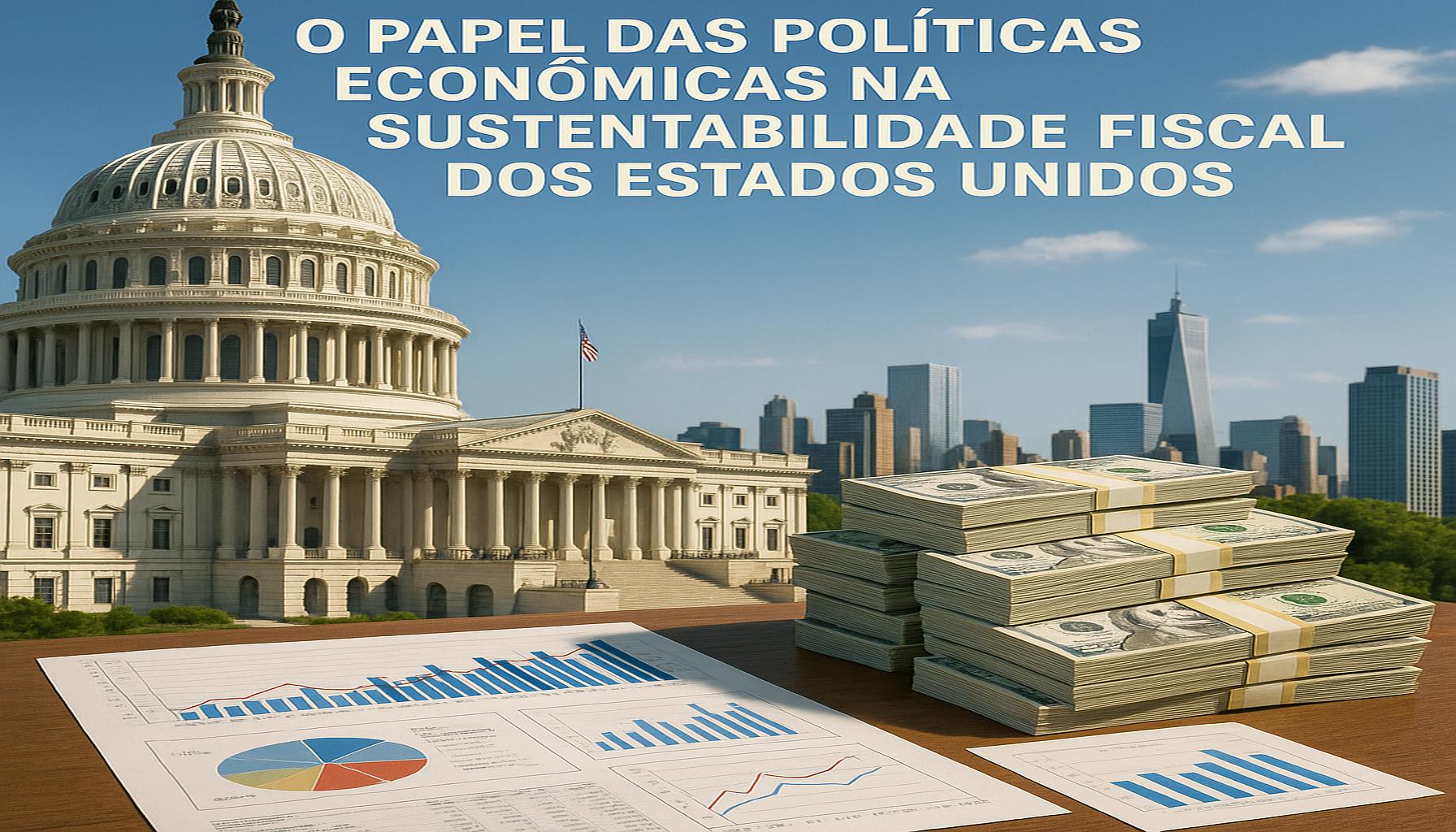
The Importance of Economic Policies in Shaping Fiscal Landscape
Economic policies are fundamental in directing the financial strategies of the United States government. These policies profoundly influence various sectors of the economy, directly affecting factors such as government revenue and expenditure. By comprehensively understanding these policies, citizens can better grasp the implications they have on fiscal sustainability, which is the government’s ability to maintain its spending and revenue practices without jeopardizing financial stability.
Understanding Fiscal Sustainability
Fiscal sustainability is a crucial concept that ensures the government can keep its current budgetary practices without falling into deep debt or risking insolvency. This involves prudently managing public debt and ensuring that it remains at levels that can be sustained over the long term. Key components of fiscal sustainability include:
- Taxation policies: The structure of taxes—such as income, corporate, and capital gains taxes—has a direct impact on the government’s ability to generate revenue. For instance, a progressive taxation system, where higher earners pay a larger percentage of their income in taxes, aims to redistribute wealth and fund public services effectively.
- Spending programs: The allocation of government funds is vital for understanding how fiscal health is maintained. Spending on programs like Social Security, healthcare, and education not only affects immediate financial stability but also shapes future economic growth. Balancing these expenditures is essential to ensure that the government does not overspend its means.
- Regulatory policies: Regulations can either foster economic growth or impose limitations that discourage investment and revenue generation. For example, tax incentives for renewable energy companies can stimulate investment in clean energy, promoting sustainable economic growth while minimizing environmental impact.
Factors Affecting Fiscal Sustainability in the U.S.
In the complex fiscal environment of the United States, several external factors complicate efforts toward sustainability. Economic growth rates, demographic shifts—such as aging populations—and changing global economic conditions all play significant roles. For instance, an aging population may increase spending on Medicare and Social Security, putting pressure on fund allocations and necessitating adjustments in taxation or spending policies.
Policymakers face the challenge of dynamically navigating these multilayered issues to ensure a stable fiscal future. They must consider the long-term effects of their decisions on both current and future generations. By continuing to evaluate and reform economic policies, they can work towards a balanced budget that fosters growth without risking the financial security of the nation.
Conclusion
This overview of economic policies underscores their paramount importance in influencing fiscal sustainability. By clearly breaking down these complex concepts, we aim to enhance understanding and encourage informed discussions about fiscal responsibilities. Engaging in this dialogue is essential for ensuring a prosperous economic future for all citizens.
LEARN MORE: Click here to discover how to apply for an Oportun loan
Key Economic Policies Impacting Fiscal Sustainability
To grasp how economic policies affect the fiscal sustainability of the United States, it is essential to delve into several key areas that shape the government’s financial landscape. These areas include taxation, government spending, and economic growth strategies. Each of these components contributes significantly to determining whether the fiscal practices of the government can be upheld without compromising future financial health.
Taxation Policies: A Double-Edged Sword
The framework of the U.S. taxation system plays a pivotal role in fiscal sustainability. Taxation can be seen as a double-edged sword; while it is necessary for generating revenue, its structure can also influence economic behavior. For example, high corporate taxes may deter businesses from investing in expansion or hiring more employees, which in turn can limit economic growth and revenue generation. Conversely, a well-structured tax code that encourages investment in innovation and infrastructure can promote economic activity, resulting in higher revenue.
Moreover, tax credits and deductions—such as those offered for education and healthcare—are designed to relieve financial burdens on citizens and stimulate consumer spending. However, if these credits lead to substantial loss in tax revenue without a corresponding increase in economic activity, they can potentially threaten fiscal sustainability. Therefore, finding a balance in taxation policies that supports growth while ensuring sufficient government revenue is crucial.
Government Spending: Balancing Act
Government spending is another core aspect of fiscal sustainability. The allocation of resources affects not only the current financial state but also long-term commitments. Key spending programs, such as defense, infrastructure, and social services, require thoughtful budgeting to avoid excessive debt accumulation. According to the Congressional Budget Office (CBO), mandatory spending on programs like Social Security and Medicare is projected to rise significantly due to an aging population. This rise necessitates a critical evaluation of how spending priorities are set and managed.
Furthermore, discretionary spending, which includes funding for education and public health, must be aligned with revenue capabilities to maintain a balanced budget. Policymakers must ask themselves challenging questions about the effectiveness of various programs and whether current levels of expenditure can be sustained in light of shifting demographics and economic conditions.
Economic Growth Strategies: A Path to Sustainability
Beyond taxation and spending, how the U.S. government drives economic growth is integral to achieving fiscal sustainability. Economic growth strategies encompass various initiatives aimed at fostering entrepreneurship, increasing job creation, and improving productivity. For instance, investments in education and workforce training can enhance the skills of the labor force, leading to higher income levels and, consequently, increased tax revenue.
Additionally, policymakers must also focus on enhancing infrastructure to support businesses and stimulate local economies. By prioritizing these growth strategies, the government can create a more robust economic environment, ensuring that fiscal health remains secure and sustainable over time.
Understanding the intricate relationship between these economic policies is fundamental for citizens and lawmakers alike. As we continue to explore this topic, it becomes evident that a comprehensive approach to economic strategy is vital for the fiscal sustainability of the nation.
DISCOVER MORE: Click here to find out how to apply for an Oportun loan
Challenges and Considerations in Economic Policy
As we navigate the complexities of economic policies, it is crucial to address the challenges and considerations that can impact fiscal sustainability. A comprehensive and adaptable approach is necessary to respond to emerging economic conditions while maintaining long-term stability. Key challenges include income inequality, globalization, and public debt management.
Income Inequality: A Growing Concern
Income inequality presents a significant challenge for fiscal sustainability in the United States. As the gap between the wealthy and the poor widens, the government faces increasing pressure to implement policies that promote equity. High levels of inequality can stifle economic growth, leading to underinvestment in essential areas such as education and healthcare. For instance, individuals from low-income backgrounds often lack access to quality education, which hinders their ability to contribute productively to the economy.
To counteract this trend, policymakers must consider targeted tax reforms that generate revenue while alleviating the financial strain on lower and middle-income households. Programs such as Earned Income Tax Credit (EITC) can improve financial stability and encourage work, ultimately contributing to a healthier economy. By addressing income inequality through thoughtful economic policies, we can bolster fiscal sustainability and create a more inclusive society.
Globalization: Navigating the International Landscape
The phenomenon of globalization has brought about both opportunities and challenges for the U.S. economy. As trade barriers lower, American businesses can access international markets, which can lead to increased growth and job creation. However, this openness also exposes domestic industries to foreign competition, which may result in job losses in certain sectors. Policymakers need to carefully craft trade agreements that protect key interests while still fostering growth through international collaboration.
Additionally, the outsourcing of jobs to countries with cheaper labor can exacerbate income inequality and strain government resources as displaced workers seek unemployment benefits. To tackle these issues, the government may need to implement trade adjustment assistance programs to support affected workers and equip them with the skills necessary for new employment opportunities. By considering the impacts of globalization on fiscal sustainability, the government can pursue strategies that promote both international engagement and domestic stability.
Public Debt Management: A Delicate Balance
Public debt management is a fundamental aspect of fiscal sustainability that requires a nuanced understanding of economic policies. Currently, the U.S. national debt exceeds $31 trillion and continues to grow, raising concerns about future implications for the economy. Interest payments on this debt can consume a significant portion of the federal budget, leaving fewer resources for essential programs and services.
To address this issue, policymakers need to adopt a balanced approach to borrowing and spending. While periodic deficit spending can stimulate economic growth during downturns, the government must remain vigilant about long-term repayment strategies. Implementing measures such as debt ceilings and comprehensive budget frameworks can help ensure that borrowing aligns with sustainable growth goals.
In addition, incorporating economic forecasting models can aid in better decision-making and understanding potential future impacts of current policies on fiscal sustainability. By carefully managing public debt in connection with overall fiscal policy goals, the government can prioritize commitments to current and future generations.
Through the exploration of these challenges and considerations, it becomes clear that a multifaceted approach to economic policy is vital in securing the fiscal sustainability of the United States. Awareness and proactive strategies can help navigate the complexities of the modern economy.
DISCOVER MORE: Click here to learn how to apply
Conclusion
In summary, the interplay between economic policies and the fiscal sustainability of the United States is a critical aspect that requires careful consideration and action. As we face challenges such as income inequality, globalization, and the management of public debt, the need for adaptive and inclusive policy measures becomes ever more apparent. By prioritizing economic policies that foster equity, promote workforce development, and ensure manageable levels of debt, the government can pave the way for a more stable and prosperous future.
It is essential for policymakers to strike a delicate balance by implementing reforms that not only address current economic disparities but also anticipate future trends. For example, revising tax structures and investing in education can create a more equitable society, while also enhancing overall economic contributions from all citizens. Furthermore, embracing innovation and providing support to industries affected by globalization will enable the U.S. to remain competitive in a rapidly changing global landscape.
Ultimately, achieving fiscal sustainability is not merely about managing the national debt or maintaining budgetary discipline; it is about cultivating an economy that works for everyone. By fostering public trust and collaboration among different stakeholders, we can create an environment where economic policies lead to lasting benefits for current and future generations. Thoughtful action today can help secure a brighter economic tomorrow, ensuring the United States continues to thrive in the face of challenges.

Linda Carter
Linda Carter is a writer and expert known for producing clear, engaging, and easy-to-understand content. With solid experience guiding people in achieving their goals, she shares valuable insights and practical guidance. Her mission is to support readers in making informed choices and achieving significant progress.