The Role of Fintechs in Global Financial Inclusion
Understanding Financial Inclusion Through Fintech
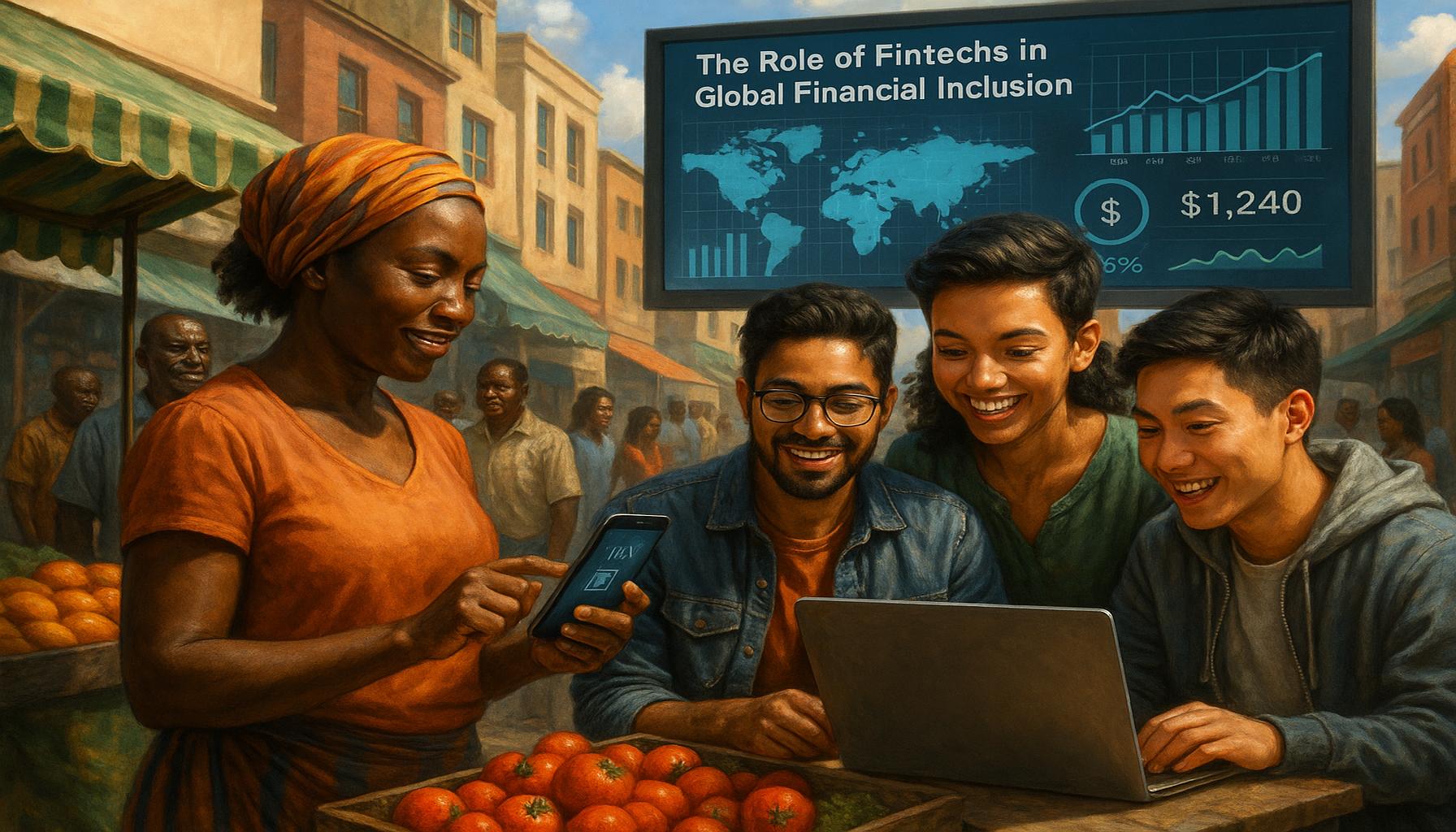
In a world where financial systems can often seem daunting, fintech companies are acting as a catalyst for change. By leveraging advanced technology, these companies are making financial services accessible to a larger audience than ever before, particularly for those who have been traditionally underserved. Their innovations are not merely about providing technology but are focused on breaking down the barriers that prevent many individuals from fully participating in the economy.
One of the primary ways that fintech has advanced financial inclusion is through the simplification of the banking process. Traditionally, opening a bank account could require extensive documentation and a rigorous approval process. Fintech companies have eliminated many of these hurdles. With platforms like Chime and Current, individuals can open bank accounts with just a few clicks on their smartphones, even if they lack a conventional credit history. This transformation is especially significant for the unbanked population, estimated to be around 7 million in the United States alone.
Obtaining credit presents another challenge for underrepresented groups. Many fintech firms use alternative data—such as payment history on utility bills or mobile phone usage—to analyze an individual’s creditworthiness. Companies like Upstart and Petal have introduced algorithms that factor these elements in alongside traditional credit scores, enabling people with little to no credit history to access loans. This has opened doors for many young adults, immigrants, and those recovering from financial setbacks.
When it comes to making payments, fintechs are revolutionizing this area too. Services like Venmo and PayPal facilitate transactions without the need for a bank account, allowing users to send money with ease through a simple app interface. This accessibility is crucial, particularly in today’s gig economy, where freelancers often operate outside the traditional banking systems. The convenience of digital payment solutions not only saves time but significantly reduces transaction costs, promoting financial literacy and engagement among users who may have previously shied away from the complexities of banking.
In developing regions, fintech firms are creating significant opportunities through solutions like mobile banking and peer-to-peer lending. For instance, platforms like M-Pesa allow users to transfer money to friends and family via their mobile devices, proving essential for those without access to brick-and-mortar banks. Additionally, peer-to-peer lending sites such as Kiva enable small business owners to attract investment directly from the community, fostering local economic growth and resilience.
In the U.S., fintech companies are also customizing their offerings to meet the needs of diverse communities. This approach not only supports individual financial health but also propels broader economic growth. For example, businesses such as Cash App and Square have become integral tools for small vendors and entrepreneurs seeking quick and efficient financial solutions. Ultimately, these developments lead to a more inclusive environment where individuals feel empowered to take control of their financial destinies.
Understanding how fintechs enhance financial inclusion is crucial as we harness their capabilities for societal benefits. As these technologies continue to evolve, their potential to create equitable access to financial services for all individuals remains a powerful tool in the quest for economic empowerment.
DISCOVER MORE: Click here for details on applying
Empowering Individuals Through Accessible Financial Services
Fintech companies are redefining the landscape of financial services by prioritizing accessibility and affordability. Their focus on user-friendly platforms allows individuals to manage their finances with greater ease and confidence. This shift not only benefits those who have traditionally been excluded from the financial system but also creates a more dynamic and inclusive economy. Understanding the various ways fintech is empowering individuals can provide insights into the power of these innovations in promoting financial inclusion.
One significant aspect of fintech’s impact on financial inclusion is its ability to reduce transaction costs. Traditional banks often impose high fees for services such as account maintenance or international transfers, which disproportionately affect low-income customers. In contrast, fintech firms typically offer lower fees or even free services. For example, digital wallets like PayPal allow for free transactions when transferring money between users within the same platform. By minimizing these costs, fintechs enable more individuals to engage in financial activities that were previously out of reach.
Moreover, fintech also facilitates financial literacy. Many fintech platforms include educational resources that help users better understand financial concepts, from budgeting to investing. This focus on education empowers users to make informed financial decisions. Apps like Mint not only track spending but also provide valuable insights into personal finance management, allowing users to set and achieve their financial goals. By using these tools, many users find themselves better equipped to navigate financial challenges—essentially turning novices into knowledgeable consumers.
- Transparency: Fintech companies often provide clearer terms and conditions compared to traditional banks, helping users better understand their financial commitments.
- Accessibility: Many fintech solutions are available on mobile devices, breaking geographical barriers that have long limited access to banking services.
- Onboarding:** Processes are simplified, with many services allowing users to get started within minutes rather than days.
The promise of fintech solutions is particularly evident in micro-lending. Platforms like Prosper and Lending Club connect borrowers who need small loans with everyday investors. This arrangement not only fosters community support but also provides credit access to those who would struggle to secure loans through traditional channels. As a result, individuals can grow their businesses or manage unforeseen expenses without the burden of exorbitant interest rates that often accompany high-risk loans.
Fintech companies also prioritize security and trust, essential elements for users who may be wary of engaging with financial services due to past negative experiences. By employing advanced encryption methods and robust verification processes, fintech firms have taken substantial steps to protect consumer data and transactions. This commitment to security contributes to building trust, enabling users to comfortably transition into an increasingly digital financial landscape.
As we delve deeper into the role of fintech in promoting financial inclusion, it is essential to recognize how these companies are not just filling gaps left by traditional banking but are fundamentally reshaping the way we think about and engage with money.
DISCOVER MORE: Click here to learn how to apply
Transforming Business and Economic Opportunities
In addition to empowering individuals, fintech firms are also playing a crucial role in transforming business operations and advancing economic opportunities, particularly for underserved populations. By leveraging technology and innovative practices, these companies are enabling small businesses and entrepreneurs to thrive in ways that were once unimaginable. This dynamic not only invigorates local economies but also contributes to global financial inclusion on a broader scale.
A remarkable innovation stemming from fintech is the rise of alternative credit scoring. Traditional credit systems often rely heavily on rigid historical data such as credit scores, which may exclude individuals without a robust credit history, particularly in lower-income regions. Fintech companies are disrupting this narrative by employing alternative data sources—like mobile phone usage patterns, social media activity, and payment histories from non-traditional sources—to assess creditworthiness. For instance, companies like Kiva help entrepreneurs by providing microloans based on a holistic view of their financial behavior. This enables more individuals to access credit, stimulating entrepreneurship and driving economic growth.
The introduction of blockchain technology in fintech also presents unique opportunities for transparency and efficiency in financial transactions. Blockchain helps in creating a secure and transparent ledger system that can lower the costs of transactions significantly. For example, remittance services that harness blockchain technology have dramatically reduced transaction times and fees. Companies like Ripple are enabling users to send money across borders in real-time, allowing migrant workers to provide for their families back home without the burden of high fees typically associated with international money transfers.
Furthermore, fintech is revolutionizing payment systems, particularly for those in rural or remote areas where access to banking institutions is limited. With mobile payment solutions like Venmo, Cash App, and Zelle, users can instantly transfer funds without needing to visit a physical bank. This convenience is not only advantageous for consumers but also empowers small businesses to manage transactions more effectively, broadening their customer base and facilitating economic activity.
- Financial inclusion starts with seamless payment systems: For example, a farmer in a rural area can receive payments directly through a mobile wallet, allowing them to reinvest in their crops or cover living expenses without reliance on cash or lengthy banking procedures.
- Peer-to-peer lending platforms, such as Upstart, underscore the power of community investment, allowing individuals to fund each other’s endeavors and drive innovation within their local economies.
- Innovative insurance models: Fintech is also fostering inclusive insurance solutions. Companies like Lemonade are utilizing AI technology to streamline claims processing and lower premiums, making coverage more affordable for underserved communities.
The collaborative nature of many fintech platforms is another crucial element in promoting financial inclusion. Fintechs often partner with non-profits, governments, and other stakeholders to create comprehensive solutions that serve diverse needs. For instance, organizations like Accion work closely with fintech startups to improve access to financial education and investment, ensuring that more people can participate actively in the economy.
With the emergence of fintech provisions, the potential for wider financial inclusion is expanding rapidly, heralding a new era for millions who were previously excluded from the system. By addressing systemic challenges, fostering innovation, and promoting accessibility, fintechs are making a tangible impact on how individuals and businesses engage with the financial landscape.
DISCOVER MORE: Click here to find out how to apply
Conclusion
The journey toward global financial inclusion is significantly bolstered by the innovative capabilities of fintech companies. By developing technologies that cater to the unique financial needs of underserved populations, fintechs are not just enhancing access to services; they are redefining the financial landscape itself. The emergence of alternative credit scoring and blockchain technology, along with transformative payment systems, showcases how these firms are breaking down traditional barriers and creating new avenues for economic participation.
Moreover, the collaborative approach of fintechs, partnering with non-profits and governments, ensures that financial services are not merely accessible but also applicable and relevant to various communities. For instance, the ability of a farmer in a rural area to receive payments instantly through mobile wallets illustrates how technology can empower individuals to reinvest in their futures. Similarly, peer-to-peer lending platforms facilitate community-driven support, fostering a spirit of cooperation and mutual growth.
As we move forward, it is crucial for policymakers and financial institutions to recognize the potential of fintechs as catalysts for economic empowerment. By creating supportive regulatory environments and investing in educational resources, we can amplify their impact and ensure that financial services reach those who need them the most. Ultimately, the continued evolution of fintech offers a hopeful outlook where everyone, regardless of their circumstances, can participate in the financial system, thus driving broader economic prosperity and social equity.