Tips for Choosing the Ideal Credit Card for Your Financial Needs
The Importance of Choosing the Right Credit Card
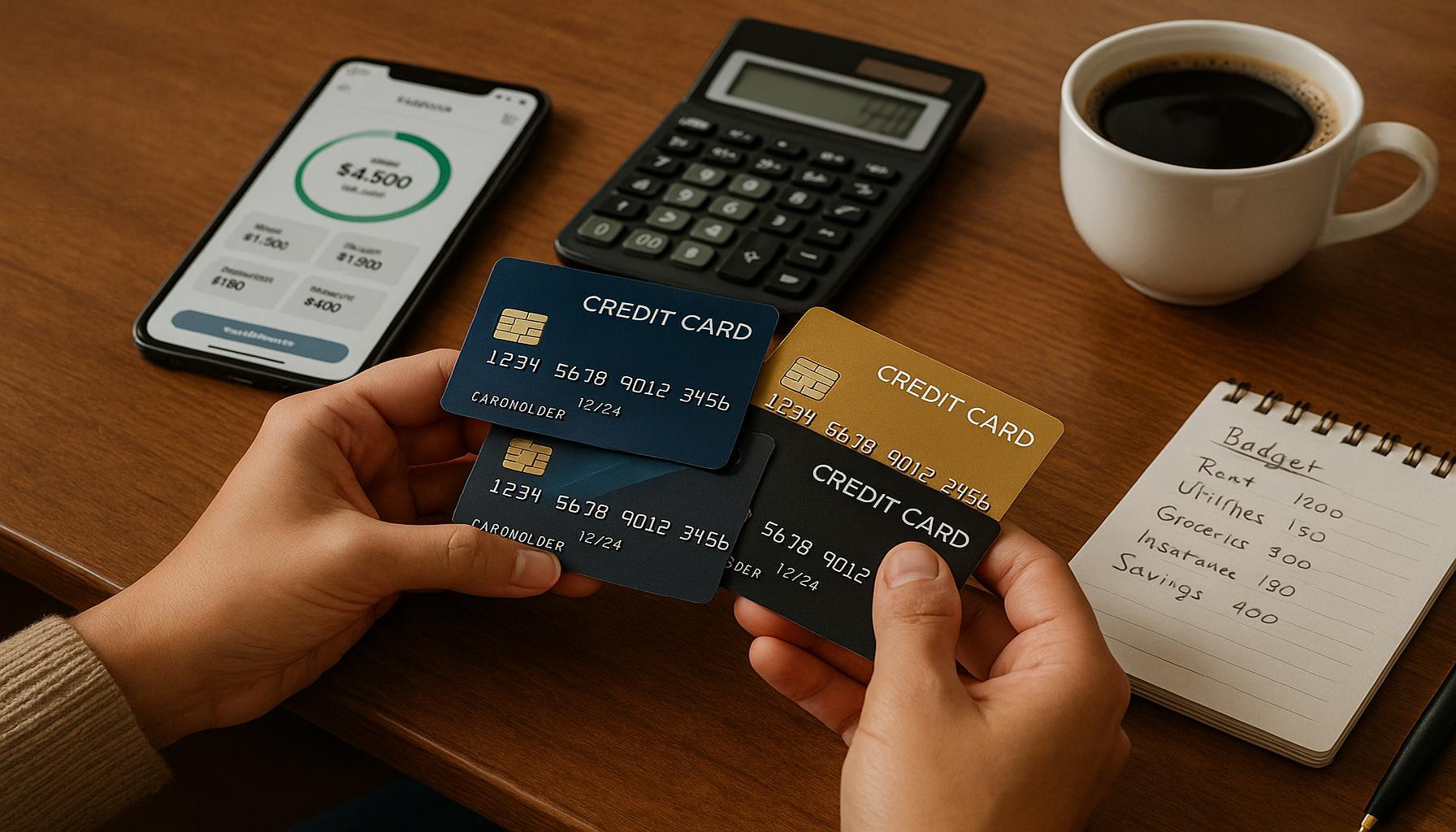
Selecting the right credit card can significantly impact your financial health. With a plethora of options available, understanding what features to look for can help you find a card that aligns perfectly with your spending habits and financial goals. Here are key factors to consider when making your choice:
Annual Fees
Annual fees vary widely among credit cards. Some cards charge a yearly fee, which can range from a nominal amount to several hundred dollars. For instance, a premium rewards card might charge a $450 annual fee but offer extensive benefits like travel insurance, access to airport lounges, and generous point accrual rates. It’s crucial to evaluate whether the rewards and benefits justify the cost. If you rarely utilize the perks that come with the fee, a no-annual-fee card may be a better option.
Interest Rates
Another essential factor is the interest rate, expressed as the Annual Percentage Rate (APR). If you plan to carry a balance from month to month, a lower APR can save you a considerable sum in interest fees. For example, consider two cards: one with an APR of 14% and another at 24%. If you carry a balance of $1,000 for a year, the first card would cost you about $140 in interest, while the second would cost you $240. Always read the fine print and understand the terms before committing.
Rewards Programs
Many credit cards come with rewards programs, offering benefits like cash back or travel points. When selecting a card, it is vital to choose one that complements your lifestyle. For instance, if you frequently travel by airplane, a travel rewards card can help you earn points towards free flights or hotel stays. On the other hand, if you primarily make purchases at supermarkets and gas stations, a cash-back card that offers higher returns for those categories might serve you better. Always assess the type of rewards you need and use most often.
Consider Your Spending Habits
It’s critical to reflect on your purchasing habits when choosing a credit card. Are you a frequent traveler or do you mainly shop for groceries and household items? Tailoring your choice based on how you spend your money can maximize your rewards. For example, a cash-back card that offers 5% back on groceries may save you more in the long run than a general rewards card that offers 1% across all purchases.
Making an Informed Choice
Taking the time to compare options is vital. Compile a list of potential cards and weigh their benefits against your personal financial needs. Evaluate factors such as fees, interest rates, and how rewards align with your habits. This informed approach can lead you to a credit card that not only suits your needs but also contributes positively to your overall financial well-being.
DISCOVER MORE: Click here for details on applying
Essential Features to Look For
When navigating the world of credit cards, it’s important to identify which features will best suit your financial situation. By understanding the specific elements that matter most, you can make a more strategic choice that aligns with your needs. Here are some fundamental features to consider:
Credit Limit
Your credit limit is the maximum amount you can borrow on your credit card. It often depends on your credit history, income, and overall financial profile. A higher credit limit can be beneficial for managing larger purchases or emergencies, but it’s important to avoid overspending and accumulating debt that you cannot repay. For those just starting out, a card with a lower limit could help develop responsible spending habits while building credit history.
Introductory Offers
Many credit cards tempt new users with introductory offers, which may include 0% APR for a specific time frame or bonus rewards for spending within the first few months. These offers can provide significant savings or enhance your rewards earning potential. For instance, you might find a card that offers a bonus of 50,000 points if you spend $4,000 in the first three months. Always evaluate these offers while also considering the long-term benefits of the card.
Fees and Penalties
In addition to annual fees, there are other fees and penalties to be aware of. Common charges include late payment fees, cash advance fees, and foreign transaction fees. Late fees can be particularly damaging, not only due to the immediate cost but also because they can negatively impact your credit score. Moreover, if you plan to use your card while traveling abroad, seek a card that does not impose foreign transaction fees, making it convenient to use internationally without incurring extra charges.
Customer Service and Account Management
Assessing the customer service options provided by a credit card issuer can significantly enhance your experience. Access to 24/7 support, user-friendly online account management tools, and helpful mobile apps can simplify managing your account. Before choosing a card, research the issuer’s reputation for customer service. A card from an institution known for responsive support can make a difference when you need assistance.
Security Features
In today’s digital age, security features should be a priority for any credit card user. Look for cards that offer protections like zero liability for unauthorized charges, real-time transaction alerts, and the option to freeze your card temporarily through an app. These features can help mitigate the risks of fraud and provide peace of mind when using your card for everyday purchases or online transactions.
As you weigh these features against your personal financial needs, remember that selecting the ideal credit card is not a one-size-fits-all approach. By carefully considering these elements, you will be better equipped to choose a card that enhances your financial journey.
DISCOVER MORE: Click here for valuable tips
Understanding Different Types of Credit Cards
Choosing the right credit card involves not just evaluating features but also understanding the different types of cards available in the market. Each card serves a unique purpose, catering to different financial habits and goals. Here’s a breakdown of some prevalent types of credit cards:
Rewards Credit Cards
Rewards credit cards are popular among consumers who like to earn points or cashback for their everyday spending. These cards often allow you to earn rewards based on a percentage of your purchases. For example, a card may offer 1.5% cashback on all purchases, while others might offer higher percentages for specific categories, such as grocery shopping or dining. If you regularly spend in certain categories, this type of card can significantly enhance your savings or provide additional benefits like travel perks.
Student Credit Cards
For students looking to build credit, student credit cards can be an excellent choice. These cards generally have lower credit limits and are designed for those with limited or no credit history. They may also offer educational resources to help you learn responsible spending and payment habits. By making small purchases and paying them off in full and on time, a student credit card can foster good credit habits, setting a foundation for future financial endeavors.
Secured Credit Cards
If you’re working on rebuilding your credit, secured credit cards can be a valuable tool. These cards require a cash deposit that serves as collateral, effectively reducing the risk to the lender. The deposit often serves as your credit limit. For example, a $500 deposit will typically yield a $500 credit limit. Using a secured card responsibly—by making regular payments and keeping your balance low—can help rebuild your credit score over time.
Low-Interest Credit Cards
For those who may carry a balance from month to month, seeking low-interest credit cards can be beneficial. These cards usually offer lower annual percentage rates (APRs), helping to minimize the interest charged on carried balances. Some low-interest cards come with a longer introductory period at a reduced rate, providing temporary relief as you work to pay off your debts. Always check the regular APR for after the promotional period ends to assess how manageable the card will be long-term.
Business Credit Cards
If you’re a business owner, business credit cards can help manage expenses while offering rewards geared towards business needs. These cards may provide higher credit limits and additional reporting features to separate personal and business expenses. They often come with perks like travel rewards, expense management tools, and easier tracking of spending, which can be invaluable for managing a company’s finances effectively.
When exploring these different types of credit cards, consider your lifestyle, spending habits, and financial goals. By identifying a card that aligns with your needs, you can optimize your benefits and improve your financial health effectively.
DISCOVER MORE: Click here to learn about credit scores
Conclusion
Choosing the ideal credit card for your financial needs is a significant step towards achieving financial stability and building a positive credit history. By understanding the various types of credit cards—such as rewards credit cards, student credit cards, secured credit cards, low-interest credit cards, and business credit cards—you can select one that aligns with your lifestyle and spending habits. The key is to assess your personal goals and how a card can help you meet those objectives.
Consider factors such as your monthly spending patterns, whether you plan to carry a balance, and what rewards or benefits are most appealing to you. Don’t forget to compare interest rates, fees, and additional perks to make a fully informed decision. Remember, it’s not just about what the card offers but also how it fits into your overall financial strategy.
Finally, continually review your credit card usage and be open to adjusting your choices as your financial situation evolves. By staying proactive and vigilant in your credit card management, you can effectively leverage your chosen card to strengthen your financial health and even enhance your lifestyle. With the right approach, a credit card can be more than just a payment tool—it can be a stepping stone towards your financial aspirations.