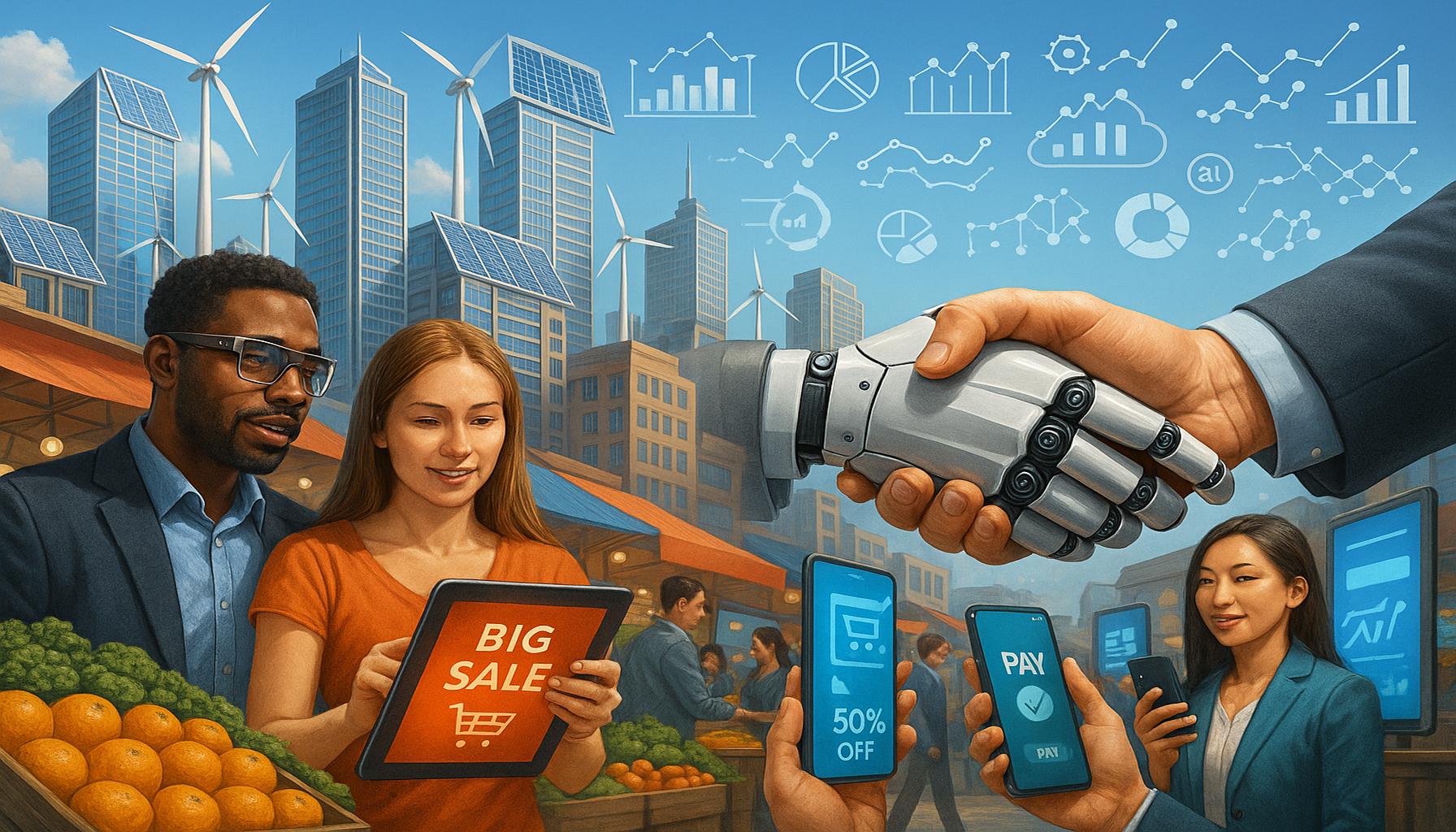
The Challenges of Digital Transformation for Traditional American Industries

Understanding the Challenges of Digital Transformation
The evolution of digital technologies is radically altering the business landscape, compelling traditional American industries to reassess their operational frameworks. Embracing this digital shift is not just an option; it is vital for survival. However, the path to digital transformation is fraught with challenges that can hinder progress if not adequately addressed.
- Resistance to Change: Many employees have a deep-rooted familiarity with legacy systems, which can create a reluctance to embrace new technologies. For instance, workers in manufacturing may use longstanding processes that they have perfected over decades. Transitioning to automated solutions or data analytics can seem daunting and lead to pushback. Organizations can combat this by engaging staff early in the process and highlighting how technology can enhance their roles rather than replace them.
- Skill Gaps: A significant hurdle is the lack of employees equipped with the digital skills needed to implement and manage modern tools. According to a report from the U.S. Chamber of Commerce, nearly 80% of employers struggle to find candidates with the necessary technical skills. This deficit places traditional industries at a disadvantage when competing with more digitally adept companies. Investing in training programs or partnerships with educational institutions can help bridge this gap, ensuring that employees are prepared for new challenges.
- Investment Costs: The financial implications of digital transformation can be substantial. The upfront costs of new technology, infrastructure, and training can be daunting for traditional firms already operating on tight budgets. For example, a medium-sized retailer may hesitate to invest in an advanced inventory management system that requires significant capital. To alleviate this concern, businesses can explore phased implementations or seek out grants and funding options dedicated to digital innovation.
- Data Security: With greater reliance on digital systems comes heightened risks surrounding cybersecurity. The frequency of data breaches has escalated, raising alarm bells for companies handling sensitive customer information. Traditional industries must establish robust cybersecurity protocols and educate employees about safe practices to safeguard their operations and maintain customer trust.
To navigate these challenges effectively, organizations must embrace a culture of innovation and continuous learning. Fostering an environment where employees feel empowered to develop their digital skills is essential. Providing access to training resources and encouraging experimentation with new technologies can significantly improve acceptance among staff.
Moreover, a comprehensive strategy that addresses both financial and operational concerns is vital. By understanding the risks involved in digital transformation, businesses can better position themselves to adapt and thrive. Not only must they recognize potential pitfalls, but they should also actively seek solutions to overcome these obstacles.
In conclusion, while traditional American industries face daunting challenges during their digital transformation journeys, recognizing and addressing these issues head-on can pave the way for evolution and growth. By fostering a spirit of agility and openness to change, companies can navigate the complexities of the digital age and emerge more resilient and competitive.
DISCOVER MORE: Click here to learn about the evolution of virtual assistants
Navigating the Initial Barriers of Digital Transformation
As traditional American industries embark on their journey toward digital transformation, they encounter significant barriers that hinder progress. These challenges can often be complex and multifaceted, requiring a strategic approach to overcome. By understanding and addressing these initial barriers, businesses can better position themselves for success in a digitally driven economy.
One of the foremost obstacles is organizational inertia. Many traditional industries are characterized by established hierarchies and processes that have been finely tuned over time. This stability can be a double-edged sword; while it fosters efficiency in routine operations, it also cultivates a reluctance to change. Workers may feel uncertain about abandoning familiar practices, fearing that a shift in technology might disrupt their workflow. For instance, in a family-owned manufacturing business that has utilized a specific assembly line method for decades, introducing automated machinery may face resistance not only from employees but also from management who worry about the transition process. To mitigate this inertia, organizations must showcase the long-term benefits of digital adoption and involve staff in the decision-making process to foster buy-in.
- Complexity of Integration: Integrating new digital solutions with existing legacy systems can pose a major challenge. Traditional industries often rely on outdated infrastructure that may not be compatible with modern technology. For example, a logistics company using an old inventory management system may struggle to synchronize with a newly deployed cloud-based solution. To address this challenge, businesses should consider employing a phased approach that allows for gradual integration, minimizing disruption while ensuring seamless operation across both traditional and modern platforms.
- Leadership Resistance: Change must be driven from the top. If leadership is not fully committed to the digital transformation initiative, it is unlikely to succeed. In many cases, leaders may feel intimidated by technology or lack the necessary knowledge to guide their organizations through the digital landscape. It is essential to cultivate digital leadership by providing executive teams with training opportunities on current technologies and trends, ensuring they are equipped to lead their organizations through change.
- Customer Expectations: In today’s fast-paced digital environment, consumers have raised their expectations significantly. Traditional industries must understand that their customers are demanding seamless, personalized experiences, often driven by the most innovative companies in the market. A classic example is the retail industry, where customers now expect quick delivery options and easy return processes. Companies not willing to invest in technology to meet these evolving customer demands run the risk of losing market share, making it crucial to prioritize the customer journey in their digital strategies.
In addressing these initial barriers to digital transformation, traditional American industries must adopt a holistic approach that encourages collaboration across departments and promotes a culture of innovation. Encouraging open dialogue between employees, management, and customers can lead to a clearer understanding of the needs and concerns that arise during this transition, ultimately driving engagement and productivity.
By identifying and proactively tackling these obstacles, businesses can not only navigate the challenges of digital transformation but can also position themselves to leverage technology as a powerful catalyst for growth and improvement.
DIVE DEEPER: Click here to learn more about the impact of monetary policies on inflation
Overcoming Cultural Resistance to Change
As traditional American industries adapt to the demanding landscape of digital transformation, another prominent challenge that must be navigated is cultural resistance to change. Notably, the mindset of employees and stakeholders often plays a crucial role in how effectively an organization embraces technological advancements. Culture can bind together the past and present practices of a company, creating an atmosphere where change is met with skepticism rather than enthusiasm.
This form of resistance often stems from a lack of understanding regarding the benefits of digital tools and processes. Employees may feel threatened by the introduction of technology, perceiving it as a potential replacement for their roles. For instance, workers in the textile industry might fear that automation in sewing and assembly could lead to job losses. To counter this emotional barrier, it is imperative for organizations to initiate comprehensive communication strategies that emphasize the positive aspects of digital transformation. By showcasing how technology can enhance job performance and lead to new opportunities, companies can change the narrative from one of fear to one of excitement for personal and professional growth.
- Skills Gap: Closely intertwined with cultural resistance is the skills gap. Many employees in traditional industries may lack the technical skills necessary to navigate new digital platforms effectively. For example, employees in the agricultural sector may have significant experience in operating heavy machinery but find themselves struggling with data analytics software that supports precision farming techniques. Organizations should invest in robust training programs that empower employees with the skills they need to thrive in a digital environment. Online courses, workshops, and mentorship initiatives can serve as valuable tools in bridging this gap, enabling staff to engage confidently with new technologies.
- Fragmentation of Communication: Digital transformations often involve collaboration across various departments and stakeholders. A significant challenge arises when communication is fragmented between teams, leading to disjointed efforts that hinder progress. For instance, a financial services firm aiming to reform its customer service process might experience misunderstanding between IT, marketing, and customer service teams about the project’s goals. Establishing clear channels of communication, such as cross-functional teams or regular inter-departmental meetings, can help align everyone’s efforts. Regular updates can create an atmosphere of transparency and shared responsibility, promoting a unified vision for transformation.
- Balancing Innovation with Stability: Traditional American industries often grapple with the challenge of balancing innovation against operational stability. The tension between adopting cutting-edge technologies and maintaining reliable service can lead to hesitance in implementing changes. In sectors like healthcare or finance, the stakes surrounding data integrity and patient confidentiality are extraordinarily high. It is crucial for organizations in these industries to create a framework where innovation is pursued responsibly. This can include piloting initiatives within controlled environments, enabling teams to experiment without posing risks to core operations.
These cultural and operational challenges highlight the multifaceted nature of digital transformation within traditional American industries. Recognizing the significance of internal culture, ensuring skill development, fostering coherent communication, and balancing innovation with stability can dramatically improve the success rate of digital transformation initiatives. By fostering an environment that embraces change rather than resists it, traditional industries can thrive in an increasingly digital-focused future.
DISCOVER MORE: Click here to learn about economic policies shaping recovery
Conclusion
As we move forward in the 21st century, the journey of digital transformation presents a complex array of challenges for traditional American industries. These sectors often encounter cultural resistance, primarily stemming from fears of job displacement. Many employees worry about how automation and advanced technologies might threaten their livelihoods, leading to a reluctance to embrace new systems. For instance, in manufacturing, workers may fear that implementing robots on the assembly line will reduce the need for human employees. To mitigate these concerns, companies can focus on transparent conversations about the benefits of digital transformation, emphasizing that technology can enhance their roles instead of replacing them.
Another significant obstacle is the skills gap prevalent in the workforce. As industries adopt more sophisticated technologies, a disconnect often emerges between existing employee capabilities and the new demands of the market. This gap can hinder productivity and innovation. To bridge this divide, organizations should invest in comprehensive training programs that equip employees with necessary digital skills. For example, businesses can collaborate with educational institutions to create tailored upskilling initiatives that not only prepare the workforce for future challenges but also foster a culture of continuous learning.
Effective communication plays a critical role in fostering collaboration and understanding across teams. By promoting an environment where feedback is encouraged and valued, companies can ensure that everyone is aligned with the organization’s vision. Regular team meetings, workshops, and collaborative brainstorming sessions can be effective tools for encouraging dialogue and innovation.
Moreover, the delicate balance between innovation and operational stability cannot be overlooked, especially in sectors like healthcare and finance, where data integrity and customer trust are paramount. Companies must implement strategies that promote innovation without jeopardizing the reliability of their operations. This could be achieved through phased approaches to technology integration, allowing businesses to pilot new systems in smaller, controlled environments before scaling them across the organization.
Organizations that prioritize a culture of openness and adaptability are well-positioned not just to survive but to thrive in such a rapidly evolving digital landscape. By investing in training and resources for employees, promoting clear lines of communication, and gradually integrating innovative approaches, traditional industries can transform challenges into opportunities for growth. Ultimately, embracing these changes with a proactive mindset will not only enhance operational efficiency but also contribute to the longevity and relevance of these industries in an increasingly digital world.

Linda Carter
Linda Carter is a writer and expert known for producing clear, engaging, and easy-to-understand content. With solid experience guiding people in achieving their goals, she shares valuable insights and practical guidance. Her mission is to support readers in making informed choices and achieving significant progress.